Netcare 911:
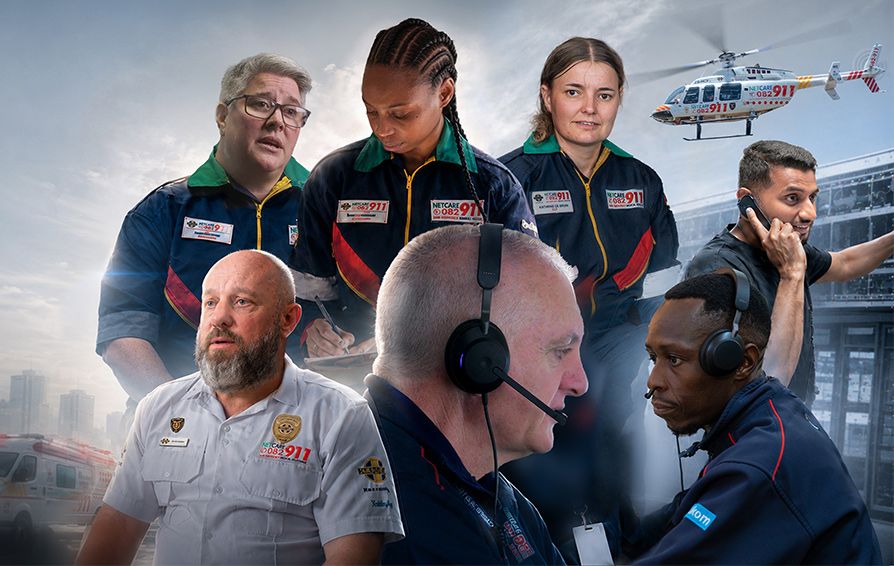
Biggest private EMS provider in South Africa, with 21+ years of
life-saving missions
Let Heroes See, and Be Seen
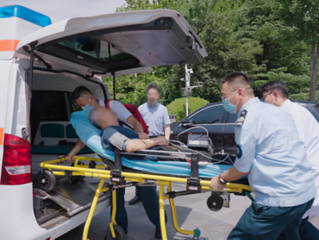
EMS (Emergency Medical Services) is the frontline of healthcare, providing life-saving intervention before a patient ever reaches a hospital bed. Whether it is a multi-vehicle collision, a sudden cardiac arrest, or a critical illness, the difference between life and death often rests on the speed and skill of the EMS team.
These practitioners are highly skilled and trained to operate under extreme pressure. However, to truly master their environment, they need more than just skill—they need to see the full clinical picture and, equally importantly, be seen and supported by their broader network.
Disconnected, Unseen
"Mental health is something that we often take lightly in our industry," says Sarah, Acting Deputy Head of EOC at Netcare 911. Her observation highlights a grim reality: the EMS profession is struggling.
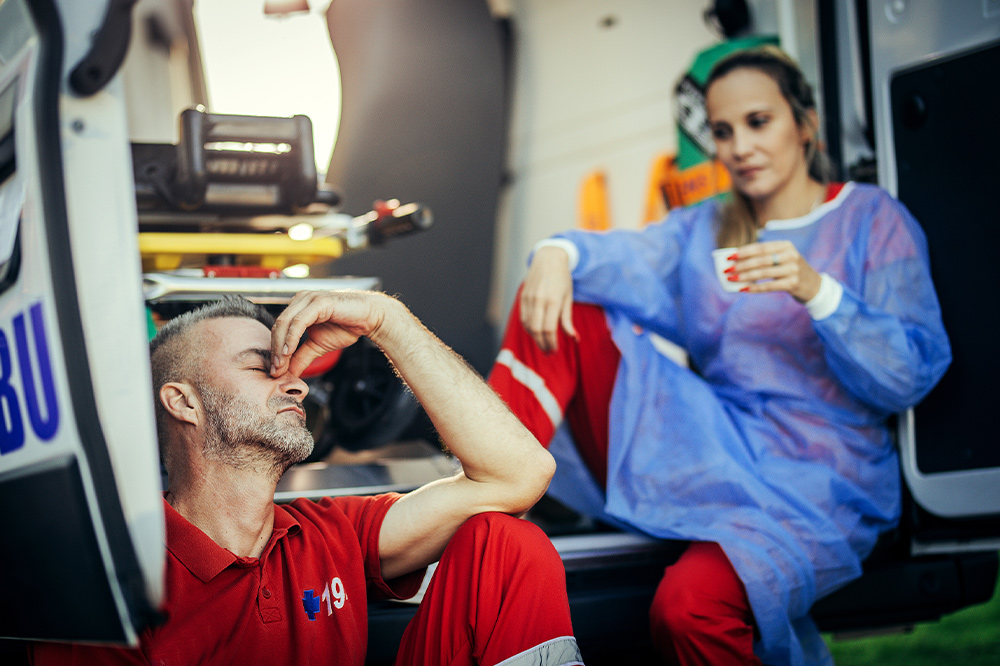
According to turnover studies (2022–2024) from the American Ambulance Association, one in four EMS clinicians leaves the profession annually. The system often fails to address the factors that drive them away:
- Strenuous working conditions and acute stress
- The psychological burden of life-or-death decision-making
- A lack of integrated, people-centered support systems
To combat this high turnover and the global staffing shortage, the industry must move toward a more connected, integrated model. This is the story of how Netcare 911, powered by Mindray’s Smart EMS Solution, is changing the narrative.
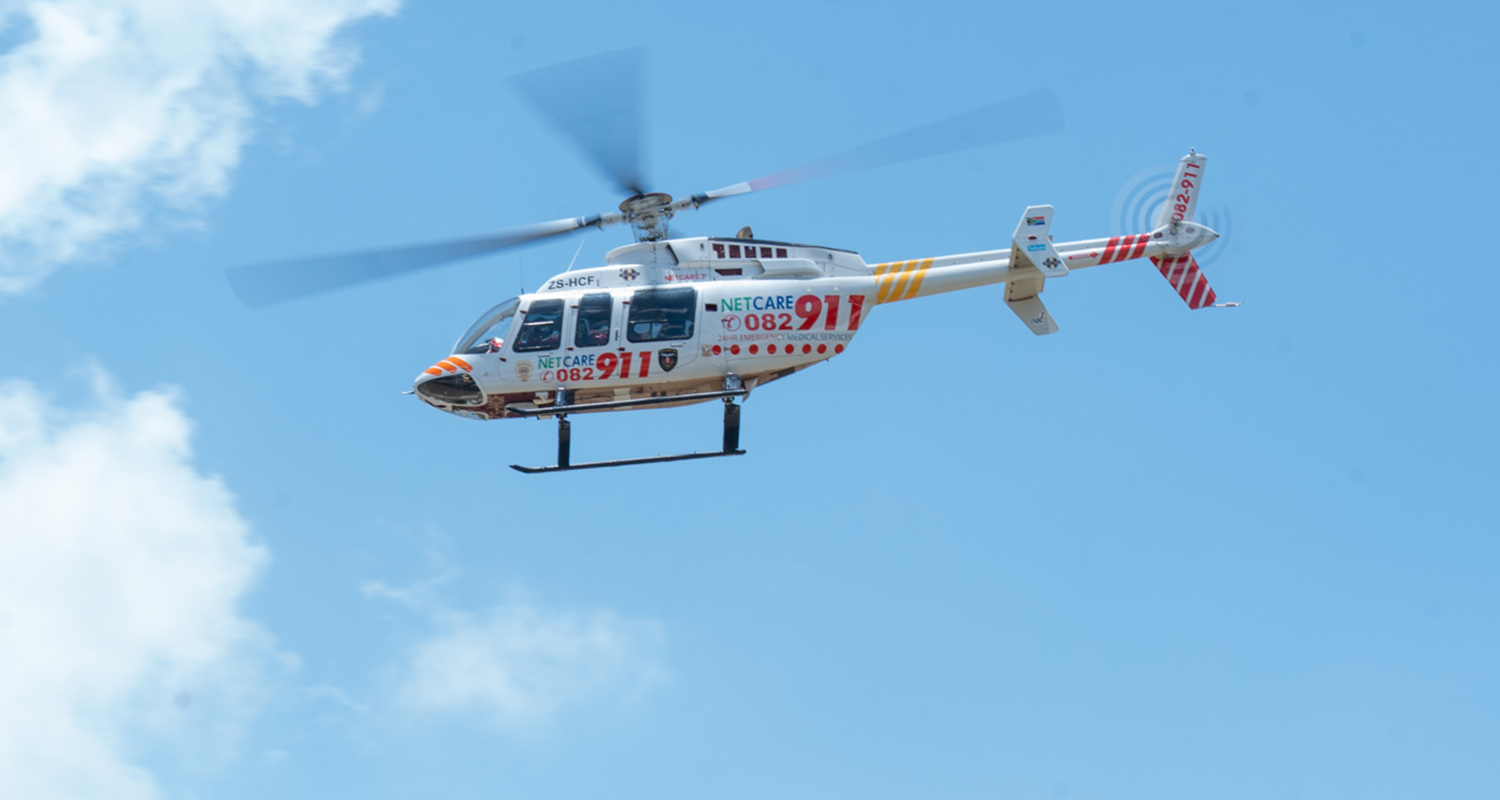

55,000 calls
per month through EOC

200+
emergency vehicles

5
helicopter air ambulances
1,300
paramedics
60
rapid response vdehicles

6
jet ambulances
Piercing the "Tunnel Vision"
"You are taught how to panic inside," said Annali, ALS paramedic at Netcare 911. No matter how rigorous the training, EMS workers face unpredictable, chaotic environments. The lack of a "panoramic view" of a scene can lead to "tunnel vision," where the weight of a diagnosis rests solely on one person's shoulders.
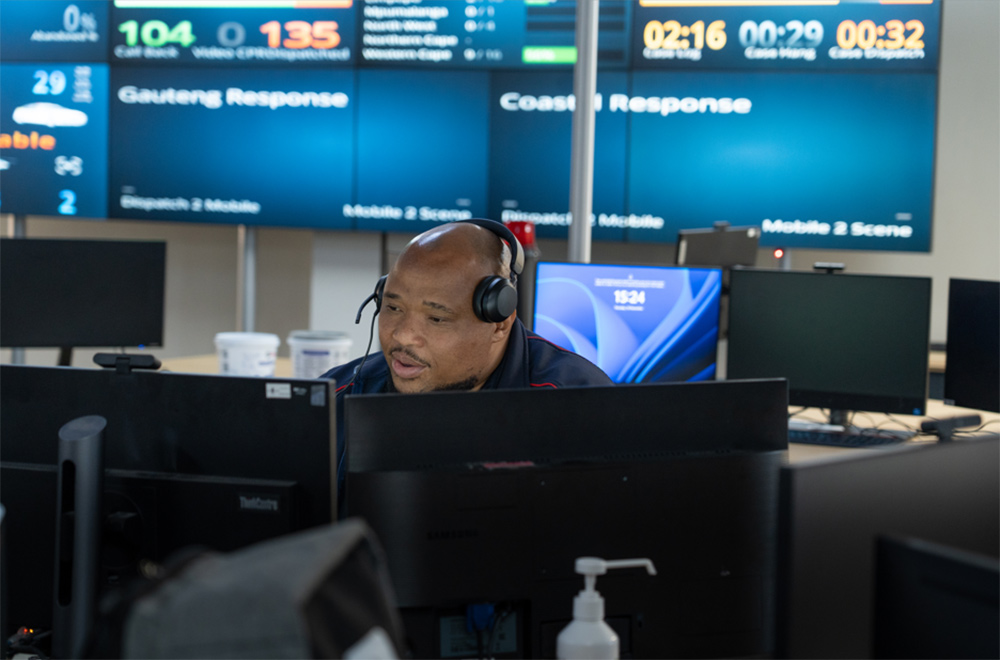
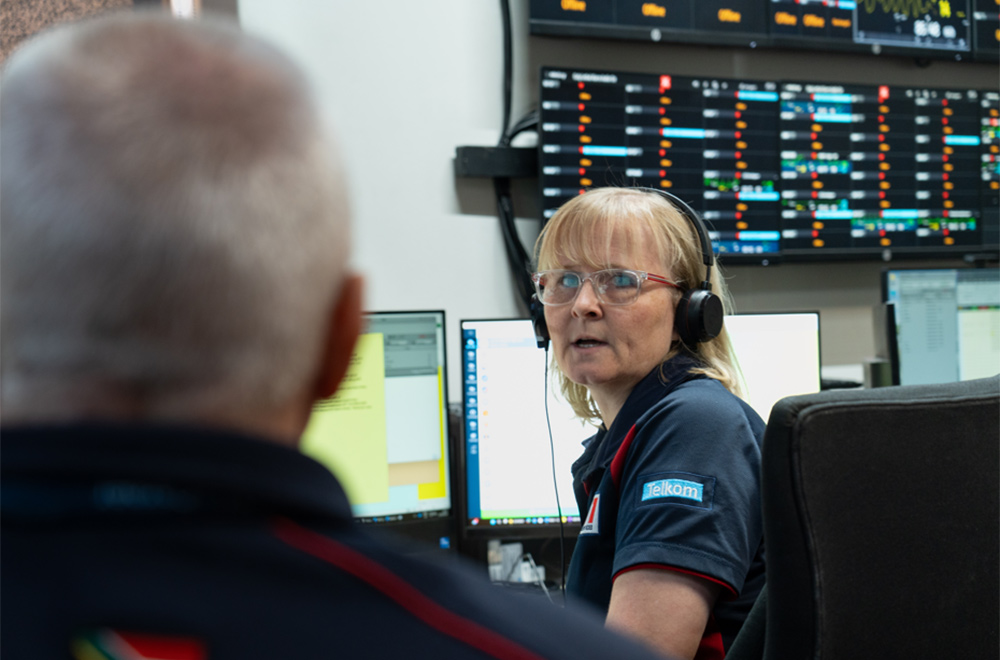
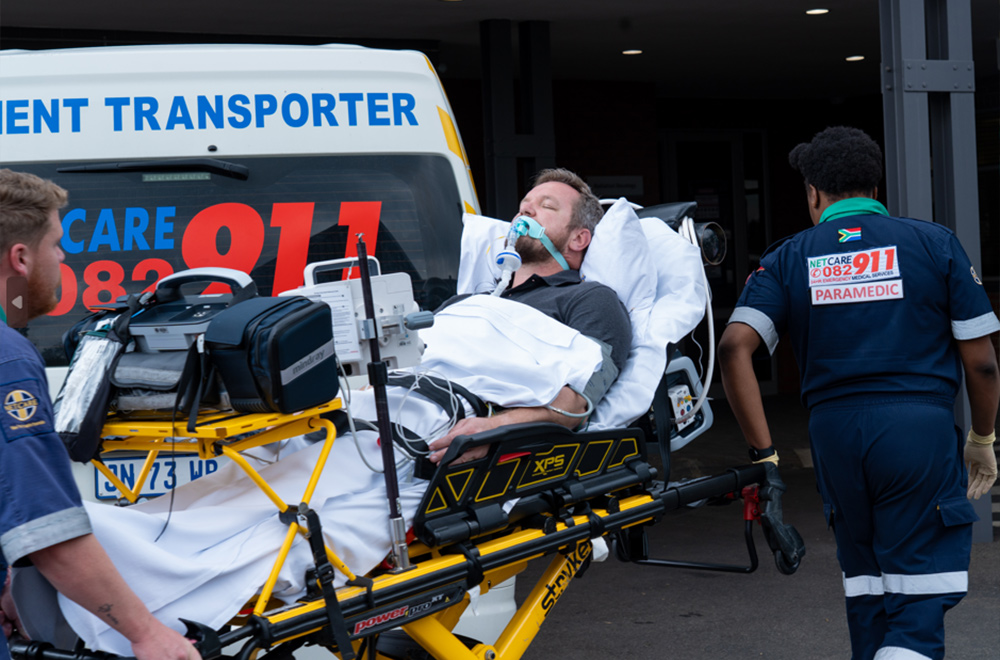
A connected system does more than just provide a phone or video call; it ensures the patient’s condition—and the practitioner’s actions—are visible to an entire network of experts.
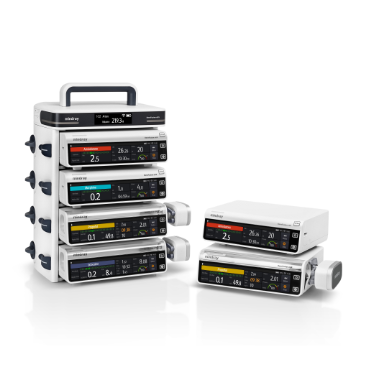
Through the Mindray EMS Solution, data from defibrillators, transport ventilators, infusion pumps, and ultrasounds are integrated into a central monitoring system. This allows the Command Center to view vitals and track practitioners in real time, transforming a lonely roadside rescue into a team effort.
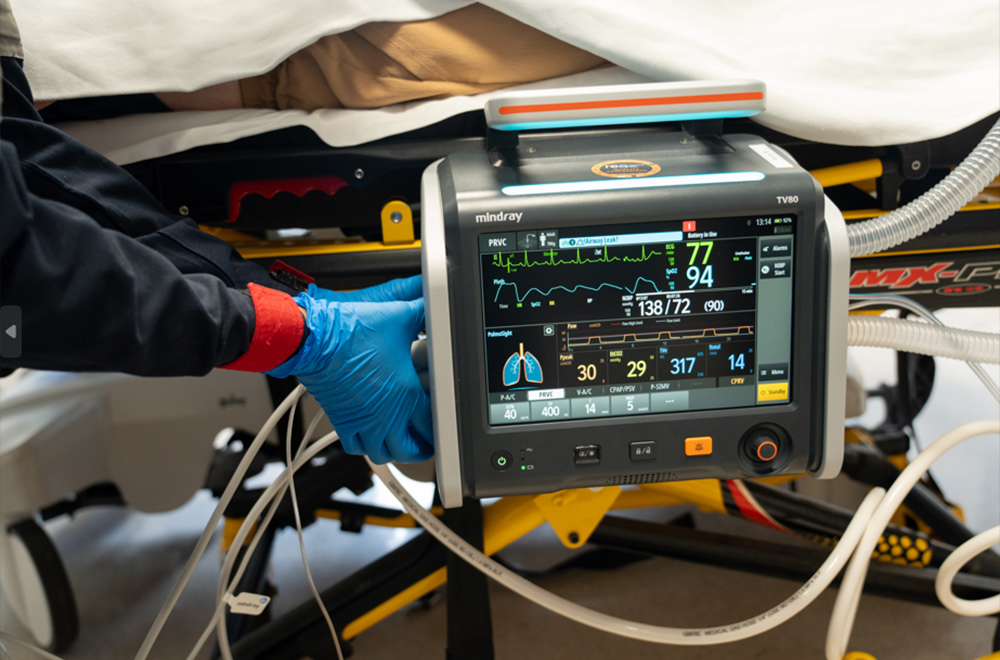
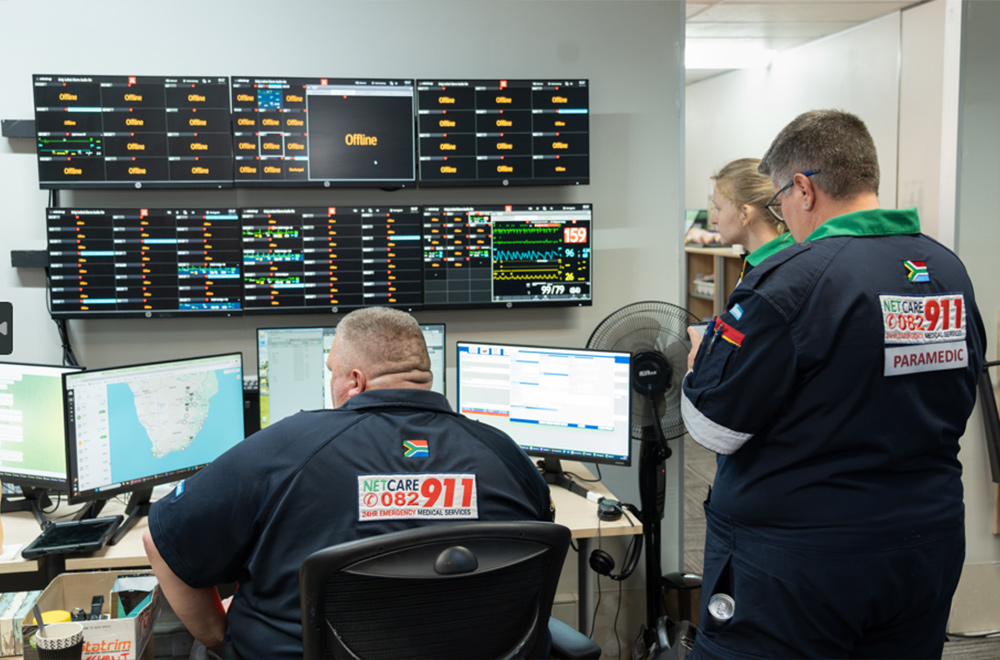
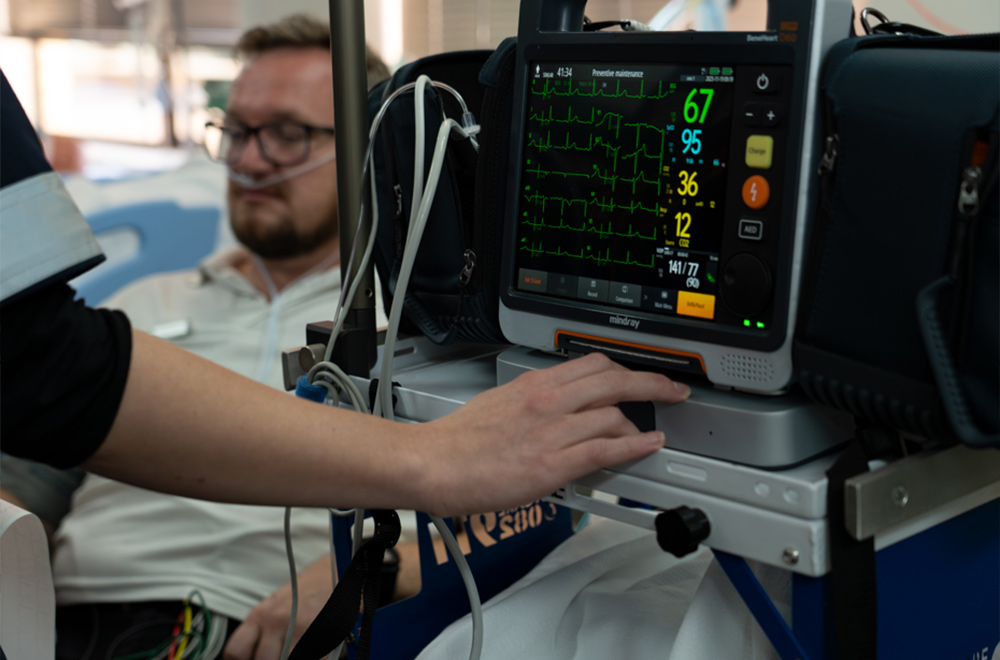
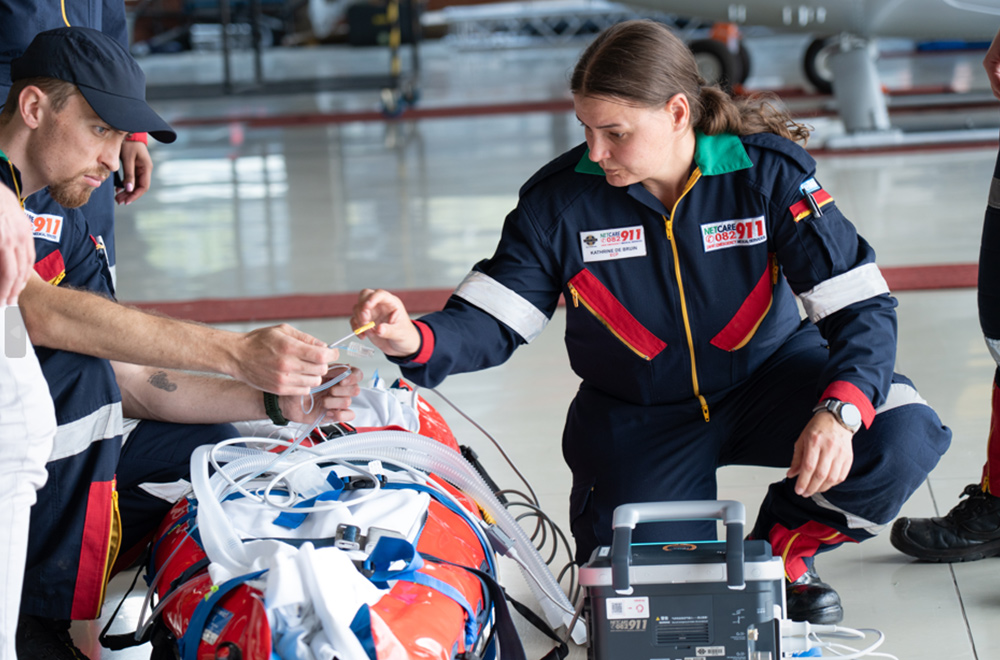
"They can see what's happening. They can provide advice and based on that, they can see what changes are happening in the patient's condition, " Kathrine, Cluster Manager for Netcare 911, believes that system like this is all about improving patient outcome and patient management.
Kathrine De Bruin
Cluster Manager Gauteng, Netcare 911
Also for continuity of care, because everything we did to that patient, every single vital sign, every ventilation setting, when we take it out of our monitor and plug it into their monitor, it's there already. We don't have to hand over and say this is what's happened to the patient, or how the vital signs change.
Case in Point: The SVT Rescue
Annali, an ALS paramedic with 18 years of experience at Netcare 911, recalls a recent critical call. A Basic Life Support (BLS) team onsite requested Advanced Life Support (ALS) for a critically ill patient.
While the ALS team was still en route, the patient’s live vitals and heart rhythm were transmitted to the Emergency Operations Center (EOC) and the hospital. The EOC identified the rhythm as SVT (Supraventricular Tachycardia) — a dangerously fast heart rate. By the time the ALS team stepped out of their vehicle, they already had the diagnosis and a treatment plan in hand. Knowing there is someone on the other side receiving the data and providing guidance takes the cognitive load off the practitioner. And more importantly, the live data can be stored for reivew and clinical research, as a way to strengthen the system further.
Annali Snoer
Clinical Governance Coordinator
Now we can feed this live data into the hospital systems that have the same integrated system as we have and they can also monitor in live feed. Just the data it stores as well helps us especially in the clinical department to see where there's shortcomings, where we're doing good, where we can improve the system, where we are excelling.
Seeing More: Beyond the Immediate Scene
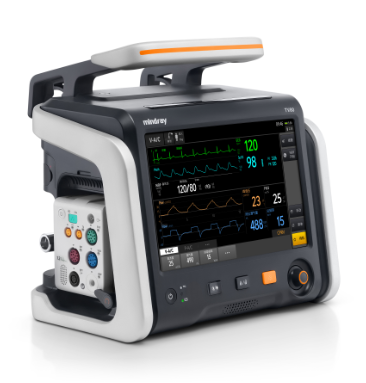
For the Netcare 911 team, Mindray has introduced life-saving technology that didn't exist a decade ago. The TV80 Transport Ventilator is a prime example of this evolution. It integrates a ventilator, patient monitor, infusion pump, and oxygen cylinder into a single, modular system.
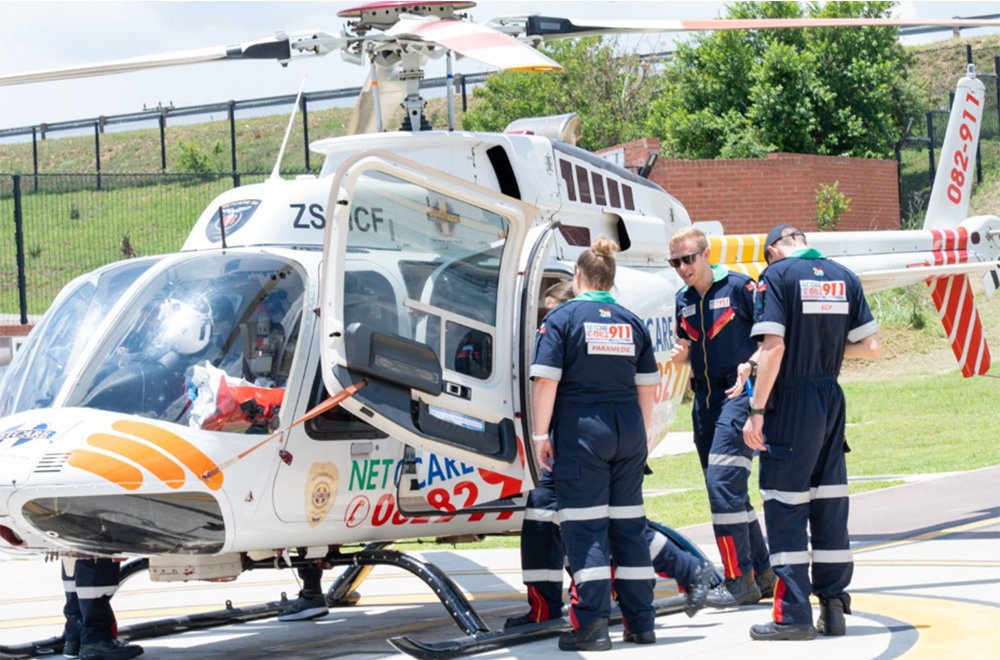
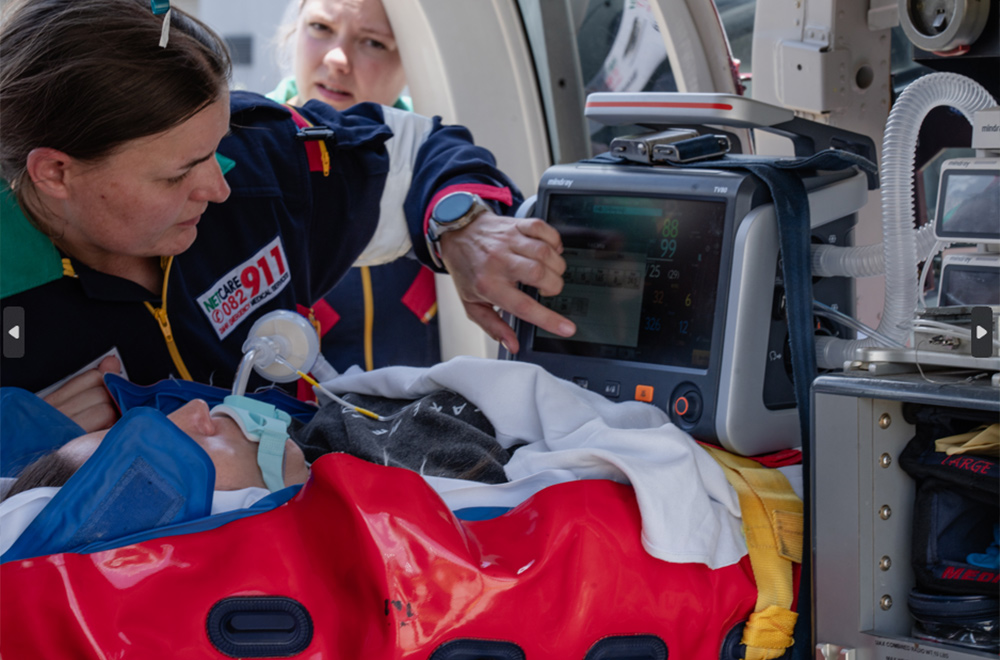

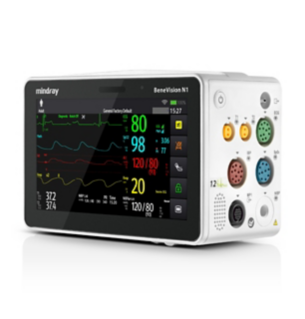
"If you work in HEMS (Helicopter Emergency Medical Services), you don’t want to carry a dozen different devices," the team notes. The N1 detachable monitor allows for seamless transitions, moving with the patient from the scene to the aircraft and finally into the ER without a break in data.
Sarah Kekana
Acting Deputy Head of EOC (Inbound Operations)
The Mindray monitor is the lightest to carry, which matters for someone of my stature. But more importantly, the alarms and readings I see in real time are also seen by experts who can coach me if I need it.
Notify Before Arrival: The Hospital Link
The "continuity of care" doesn't end in the ambulance. Dr. Murugan, Director of the MilPark Emergency Department, has seen the impact of live data firsthand.
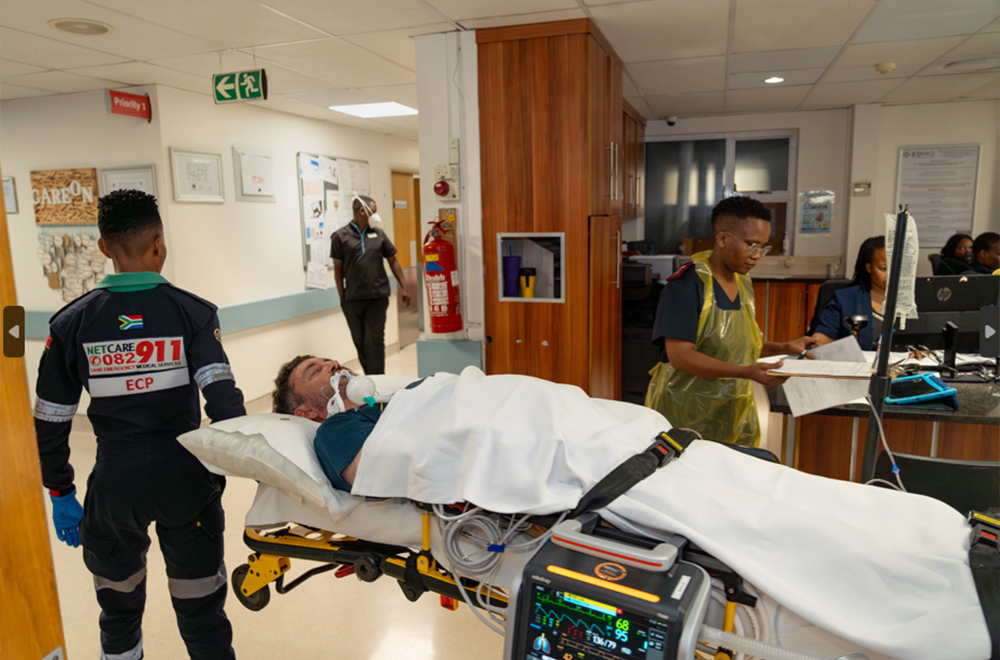
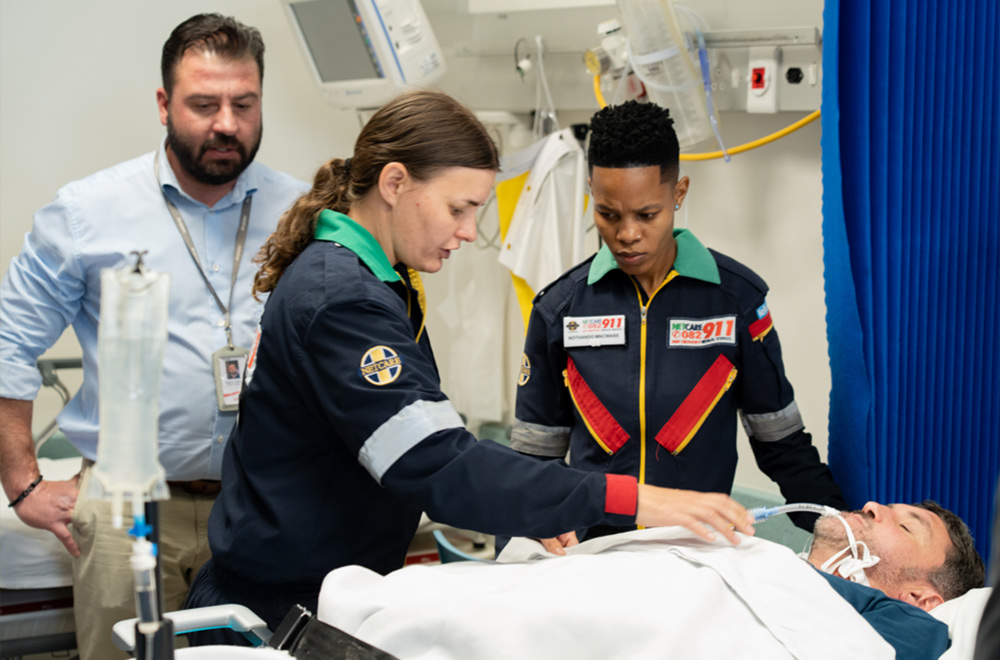
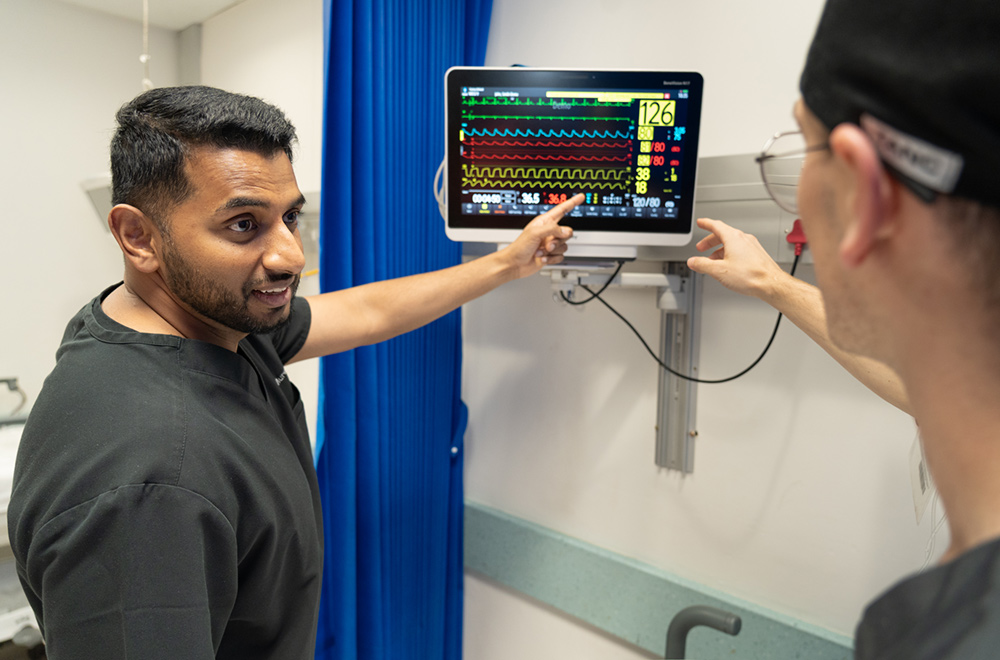
"We can now access information so much faster. We don't have to rely solely on a verbal handover; we can visualize the rhythm, the rate, and the small adjustments made in the field on our phones or central monitors before the patient even arrives."
Dr. Murugan
Emergency Director, Netcare Milpark
It's really cutting edge to see a monitor next to a patient and be able to visualize that on your phone or to see what is going on from a pre-hospital setting and not just rely on a handover, but actually to see the rhythm, the rate, to see the small adjustments that are going on to have this visible and available is absolutely incredible.
The Unseen Diagnostic: Ultrasound
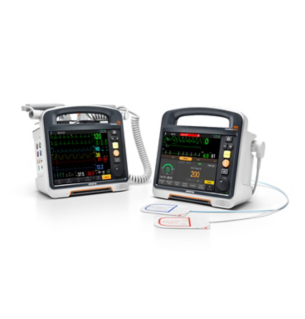
Sometimes, "seeing" involves looking beneath the surface. Using the ultrasound function embedded in the Mindray BeneHeart D60 defibrillator, doctors can identify "the unseen."
Dr. Murugan recalls a young patient with Down syndrome presenting with chest pain. The ECG suggested a heart attack, and the standard protocol would have been to administered "clot-busting" thrombolytic medication. However, an ultrasound scan revealed an aortic dissection (a tear in the heart's main artery).
- The stakes: If they had followed the ECG and given the medication, the patient likely would have died instantly.
- The result: The integrated ultrasound provided a "safety net," allowing for a correct, life-saving diagnosis.
Behind the Heroes
We often view EMS practitioners as invulnerable heroes, but they are human. They feel the same fear and uncertainty as anyone else when faced with a crisis.
Compassion and resilience define the team at Netcare 911, but technology is what sustains them. By providing a versatile, fully-equipped, and connected system, Mindray ensures that while these heroes are out saving lives, they are never truly alone.
Craig Grindell
Managing Director
Why it sits deeply with me is that you make a fundamental difference in a young life, and that's what keeps people doing this work. It's the cases you won. The cases when I saw people come back home and survive.
They see the patient. The system sees them. And together, they save lives.