From Coordinated Expertise to Clinical Confidence Supporting Critical Care Decisions When Every Second Matters
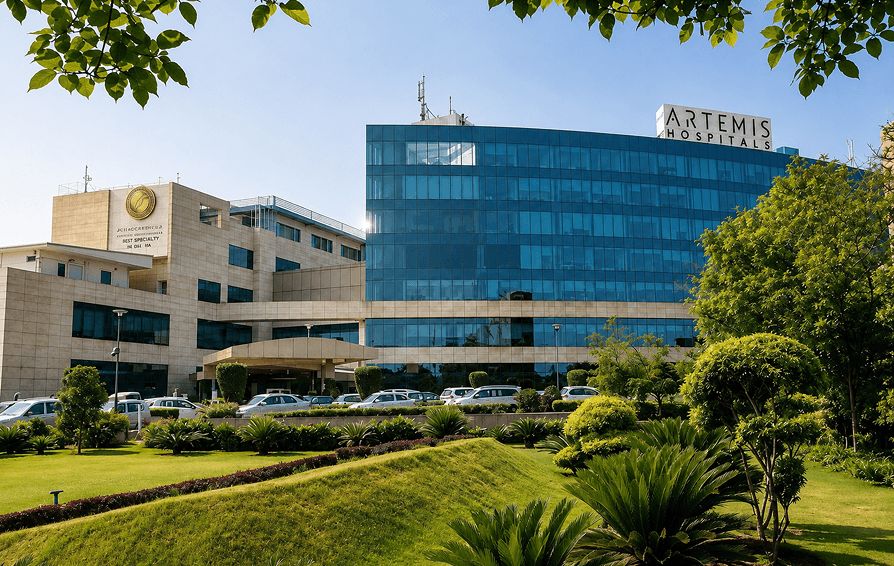
Artemis Hospital, Haryana, India 2026-09-10
“After the upgrade, I compared the monitor readings with ABG results again — this time I was fully satisfied. The experience has further strengthened my confidence in Mindray monitors, and I will continue using them.”
— Attending Physician, Pediatric Dept., Artemis Hospital
Founded in 2007 by the promoters of Apollo Tyres Group, Artemis Health Institute is recognized as one of India's leading healthcare institutions. It became the first hospital in the region to receive JCI accreditation in 2013 and achieved NABH accreditation within just three years, consistently upholding international standards of care.
For a hospital operating under such rigorous standards, expectations extend beyond equipment performance. Service must respond efficiently, adapt to complex clinical environments, and deliver professional support without disrupting patient care.
In Critical Care, There Is No Margin for Inaccuracy
Pediatric ICU demands the highest accuracy for critical parameters like SpO₂ , any deviation directly impacts clinical decision-making.
Recently, clinicians observed differences between bedside monitoring results and reference measurements in several critical cases. To better understand the situation, they conducted additional comparisons with ABG results and other clinical references. Given the importance of monitoring data in critical care, timely investigation and professional support were essential to address the concern and maintain clinical confidence.
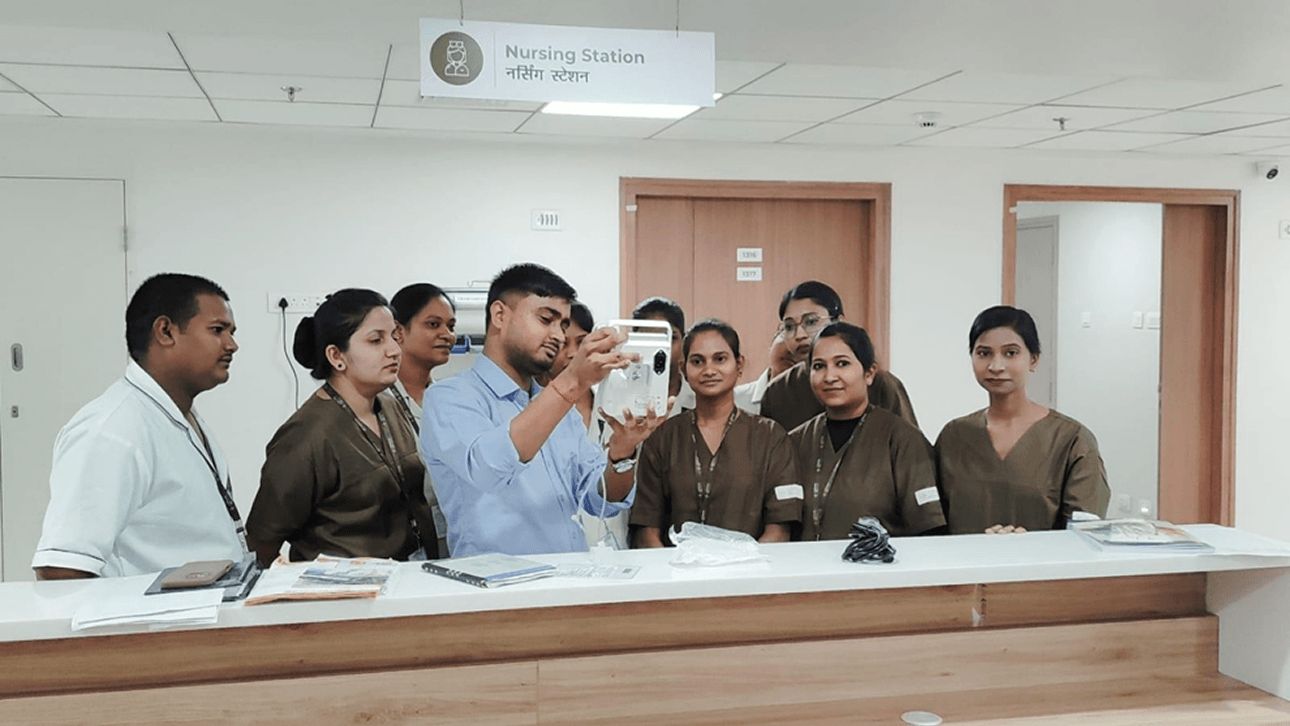
Coordinated Expertise, Delivered Around Clinical Needs
Recognizing the importance of the concern, Mindray quickly coordinated a cross-functional response involving technical support, service key account representatives, key account management, and technical experts.
Within 24 hours, the local team arrived at the hospital with dedicated testing tools. Working closely with the clinicians, the team reviewed the monitoring conditions, application scenarios, and relevant technical factors. Every step was arranged around the Pediatric Intensive Care Unit’s workflow to avoid interfering with patient treatment.
Because the observed differences did not occur consistently, the assessment required continued observation and close communication with the clinical team. Rather than relying on a single on-site examination, technical experts maintained follow-up and continued gathering information as the hospital used the monitors in its daily clinical environment.
When the concern was observed again, the team prioritized an immediate, customer-oriented response. Through cross-functional coordination, the existing module and sensor were replaced with an alternative configuration better suited to the hospital’s needs. In parallel, headquarters technical experts carried out further analysis to support a comprehensive evaluation.
Through coordinated local and headquarters expertise, Mindray helped the hospital fully address its concern within 7 days. Throughout the process, clinical operations continued without interruption.
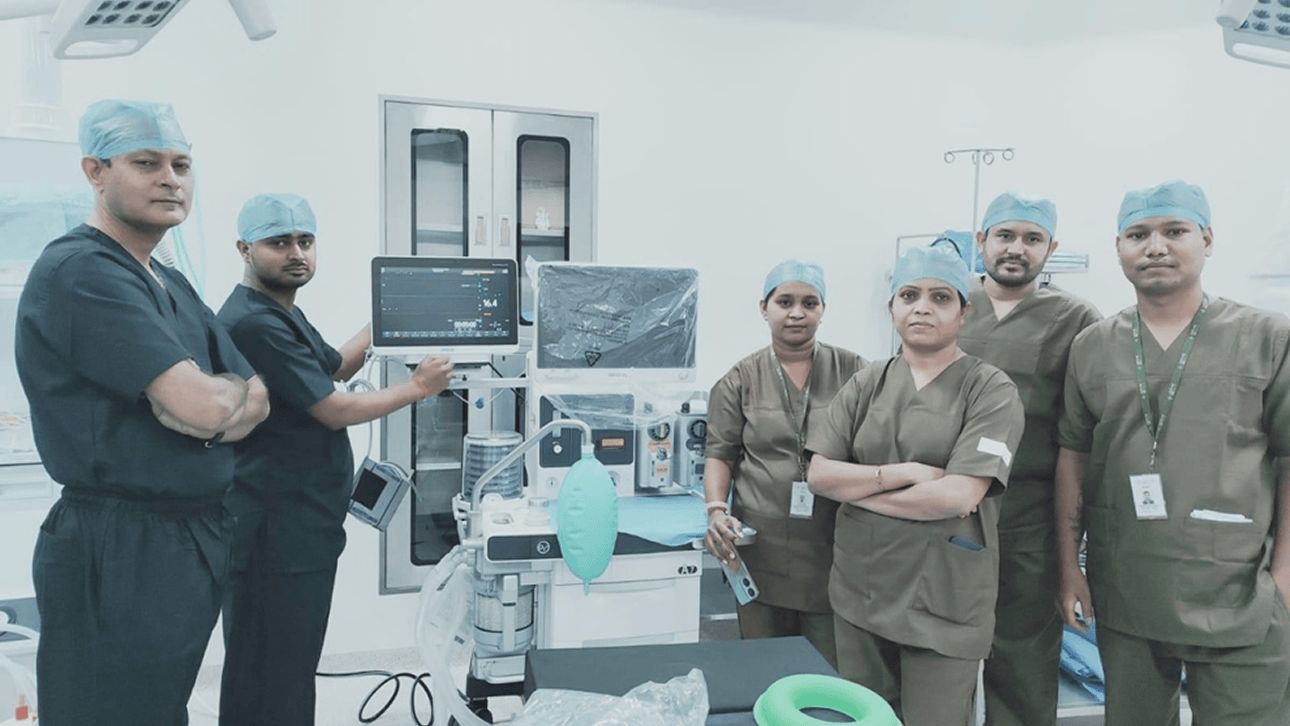
In high-standard clinical environments, the value of service is not defined by responsiveness alone. It also depends on the ability to understand the clinical context, coordinate expertise across different levels, and act precisely without interrupting patient care.