Light, Yet Rugged
Lightweight 7.5 kg design with IP43 and 0.5m drop protection. Built for reliable performance across ground and air medical transport.

Lighter, Smarter, Coordinated
Engineered to deliver consistent, high-quality CPR across emergency departments and EMS transport, the Mindray CPR50/CPR60 combines advanced engineering with a connected ecosystem. With a lightweight 7.5 kg design and seamless interoperability with defibrillators and ventilators[1], we empower clinicians to streamline resuscitation workflows, improve operational efficiency, and achieve better patient outcomes.
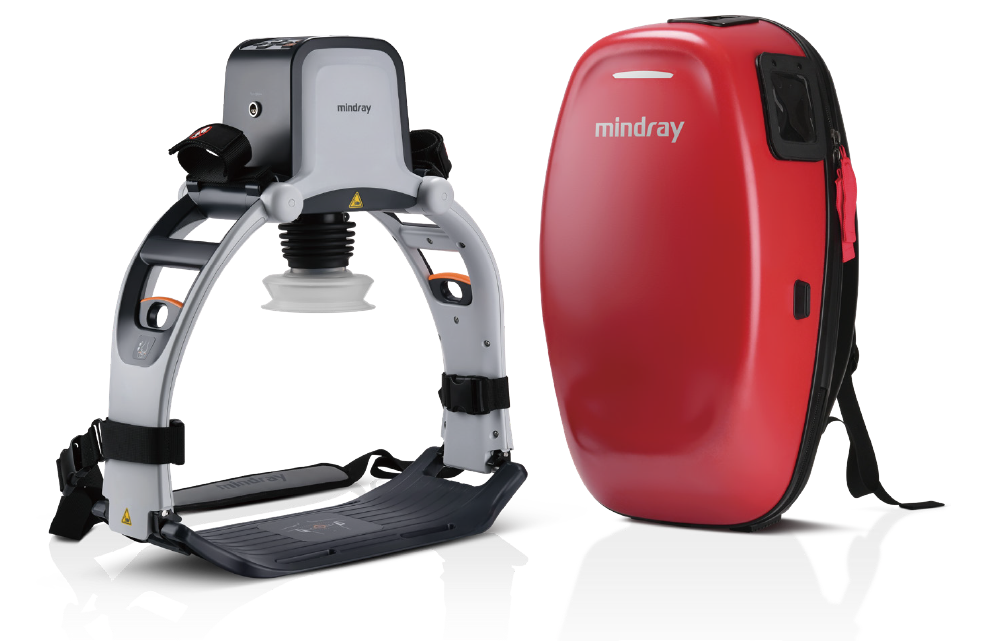

Lightweight 7.5 kg design with IP43 and 0.5m drop protection. Built for reliable performance across ground and air medical transport.

Innovative direct drive motor with industry-leading performance. High power but low upkeep.

Engineered to fit a variety of patients with chest heights between 16.5 cm and 30.5 cm.

Comprehensive auto-testing during power on/off safeguards the entire workflow, with a clear status indication.

Compatible with up to 49 commonly used disinfectants for flexible cleaning and disinfection.
Delivering consistent, high-quality CPR in emergency departments and throughout EMS transport demands exceptional device reliability and stability. Traditional mechanical CPR systems typically achieve this through heavier structures. Leveraging advanced engineering and innovative design, Mindray has reduced the CPR50/CPR60's weight to only 7.5 kg, significantly easing the workload for rescuers while maintaining outstanding compression performance and operational stability.
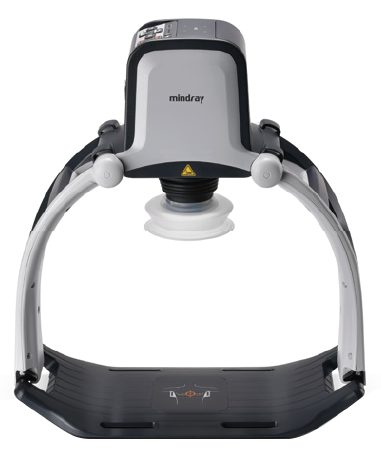

Achieve the high-standard compression by trapezoidal-wave technology which is widely validated by the industry for years. Engineered to a variety of patients with chest heights between 16.5 cm and 30.5 cm
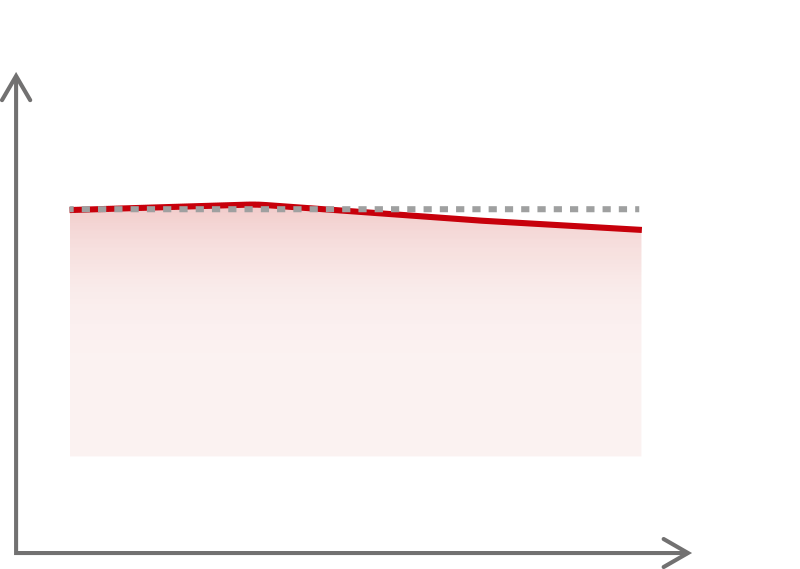
Reduced depth loss across varying chest resistance — target depth achieved.
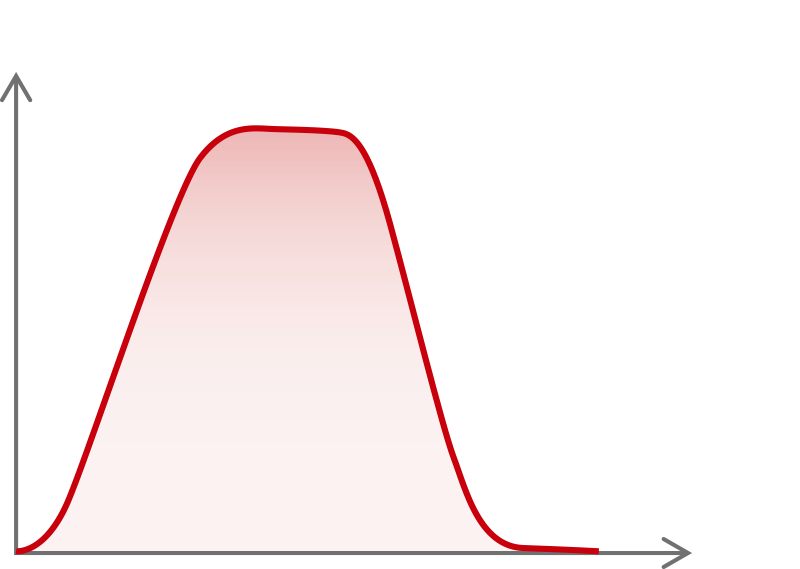
Consistent trapezoidal wave output across varying chest resistance
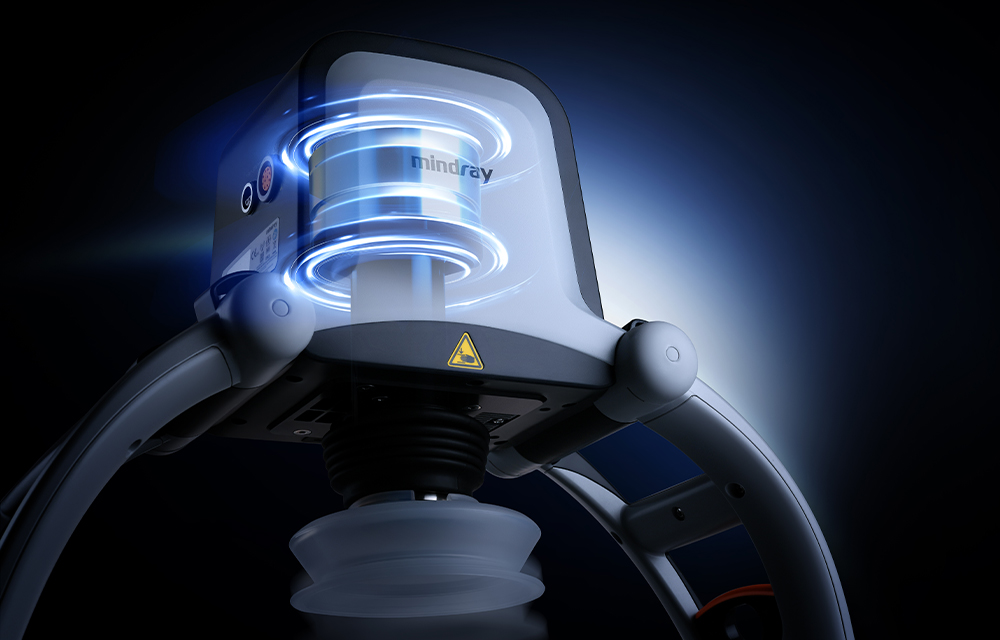
The suction cup position can be adjusted manually, mechanically, or fully automatically, accommodating a wide range of user preferences and clinical workflows.

1. Manually lower the suction cup, with electric assist for less effort.

2. Lower the suction cup using the control button - motor‑assisted movement for smoother positioning.

3. The suction cup automatically lowers to the patient's chest, identifies the starting position.
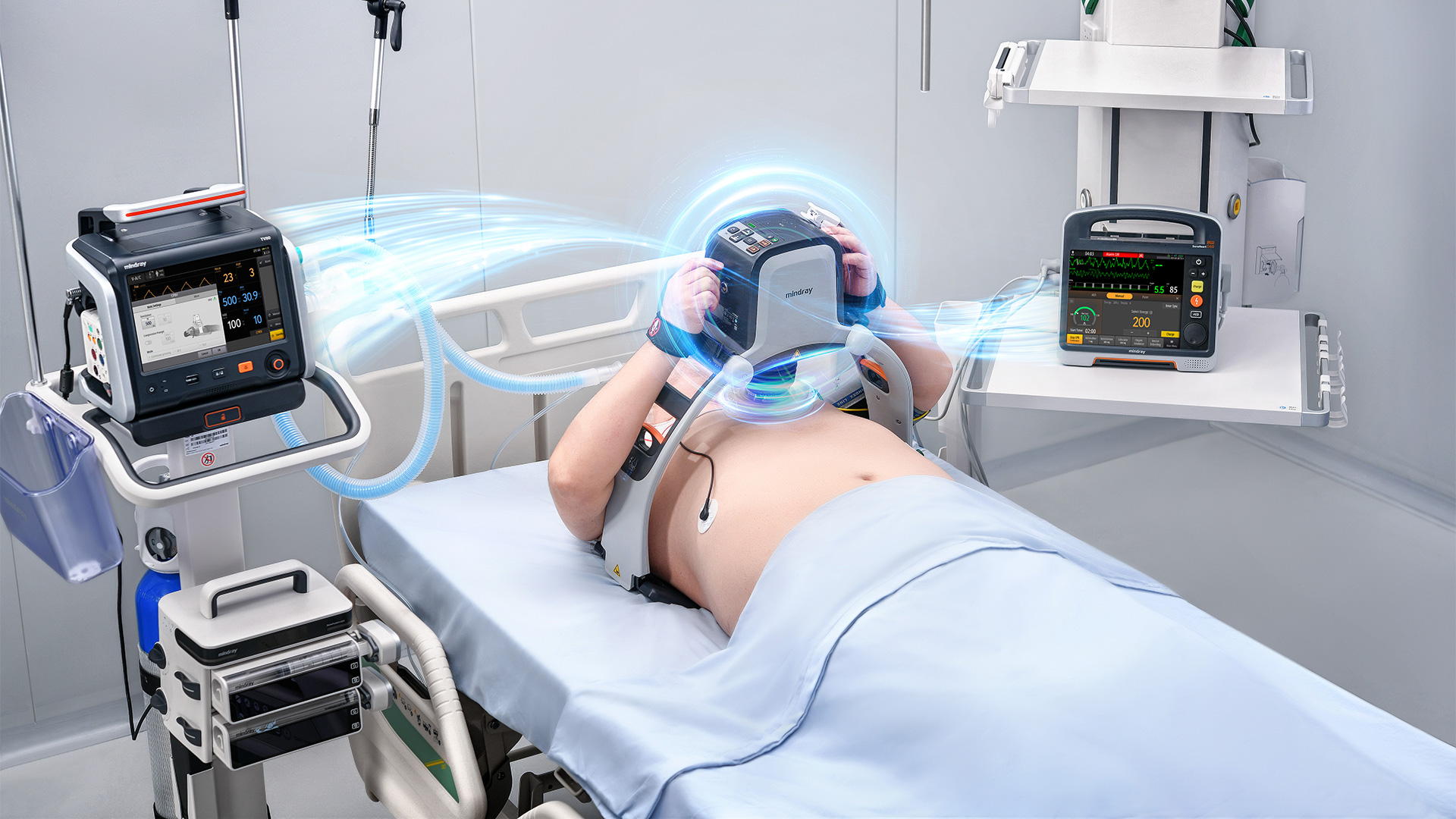
Beyond chest compressions, defibrillation, monitoring, and ventilation are essential components of high-quality resuscitation. Yet these life-saving interventions have traditionally been delivered through isolated devices, resulting in fragmented workflows and reduced efficiency. Mindray is transforming resuscitation by bridging the CPR machine, defibrillator, and ventilator into a connected ecosystem. By extending device interoperability, Mindray enables a more coordinated and streamlined resuscitation process, helping clinicians improve operational efficiency, elevate care quality, and ultimately achieve better patient outcomes.
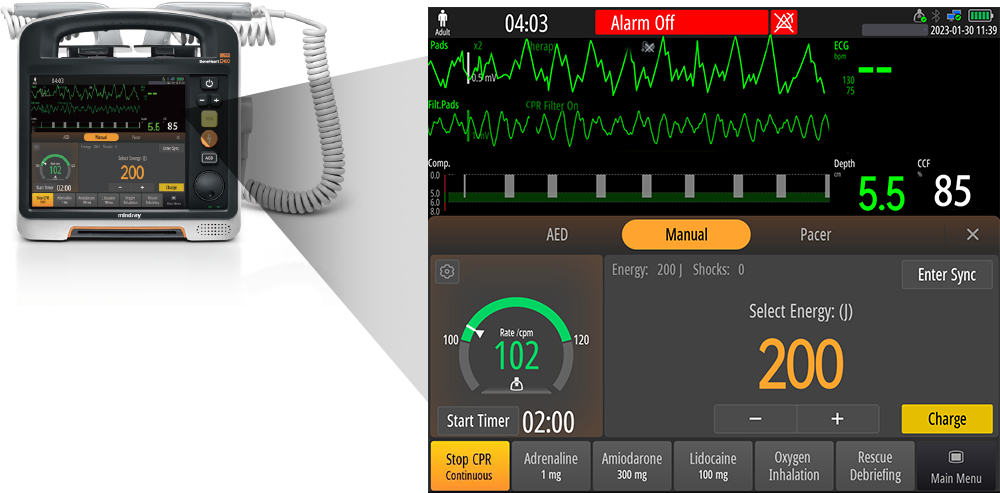
CPR50/CPR60 shares real-time compression signals with BeneHeart D30/60/X to support CPR Filter for clearer ECG and fewer CPR interruptions.
CPR feedback from CPR50/CPR60 is available on BeneHeart D30/60/X.
User can easily start/stop CPR50/CPR60 from BeneHeart D30/60/X.
CPR50/CPR60 integrates seamlessly with compatible defibrillators, automatically pausing compressions before a shock and restarting CPR after shock delivery. By reducing manual operations and compression interruptions, it helps clinicians maintain high-quality CPR throughout the resuscitation process.
When connected to TV50/TV80, the ventilation mode is automatically synchronized with CPR50/CPR60.
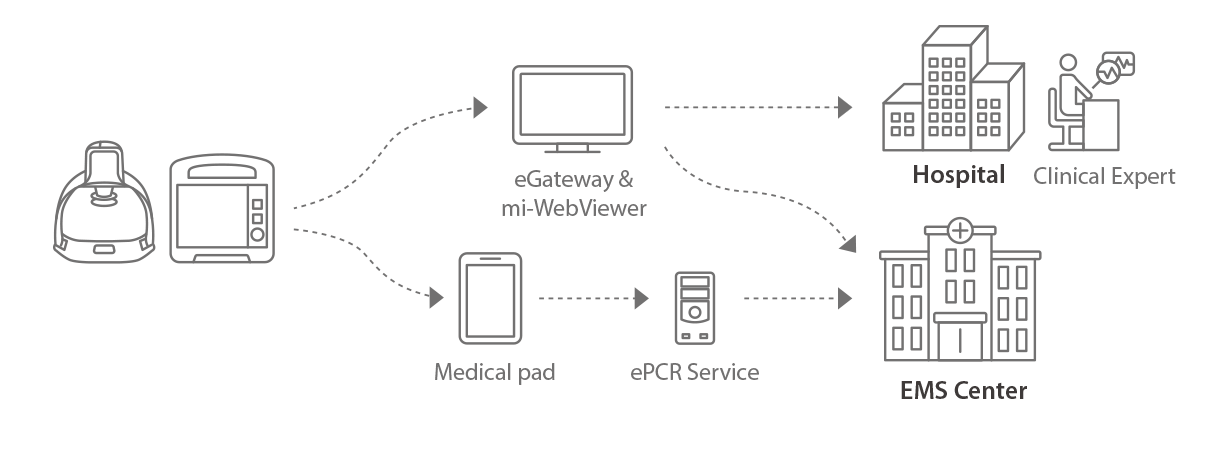
Compression, defibrillation, and monitoring data merge into a complete resuscitation record. Seamlessly transmitted to central stations and emergency information systems—bridging pre-hospital and in-hospital care for better review and research.
Reference:
[1] This feature will be available later in 2027. Please consult your local RA team to check its readiness.
Configuration profiles can be customized and loaded easily for different clinical scenarios or use requirements, including default values, screen layout and system configuration.