
Vibrance: A DNA of Relentless Innovation
Just as the red clay of Marrakech tells a story of life and endurance, Mindray’s innovation DNA reflects a vibrant, relentless pursuit of safety and precision.
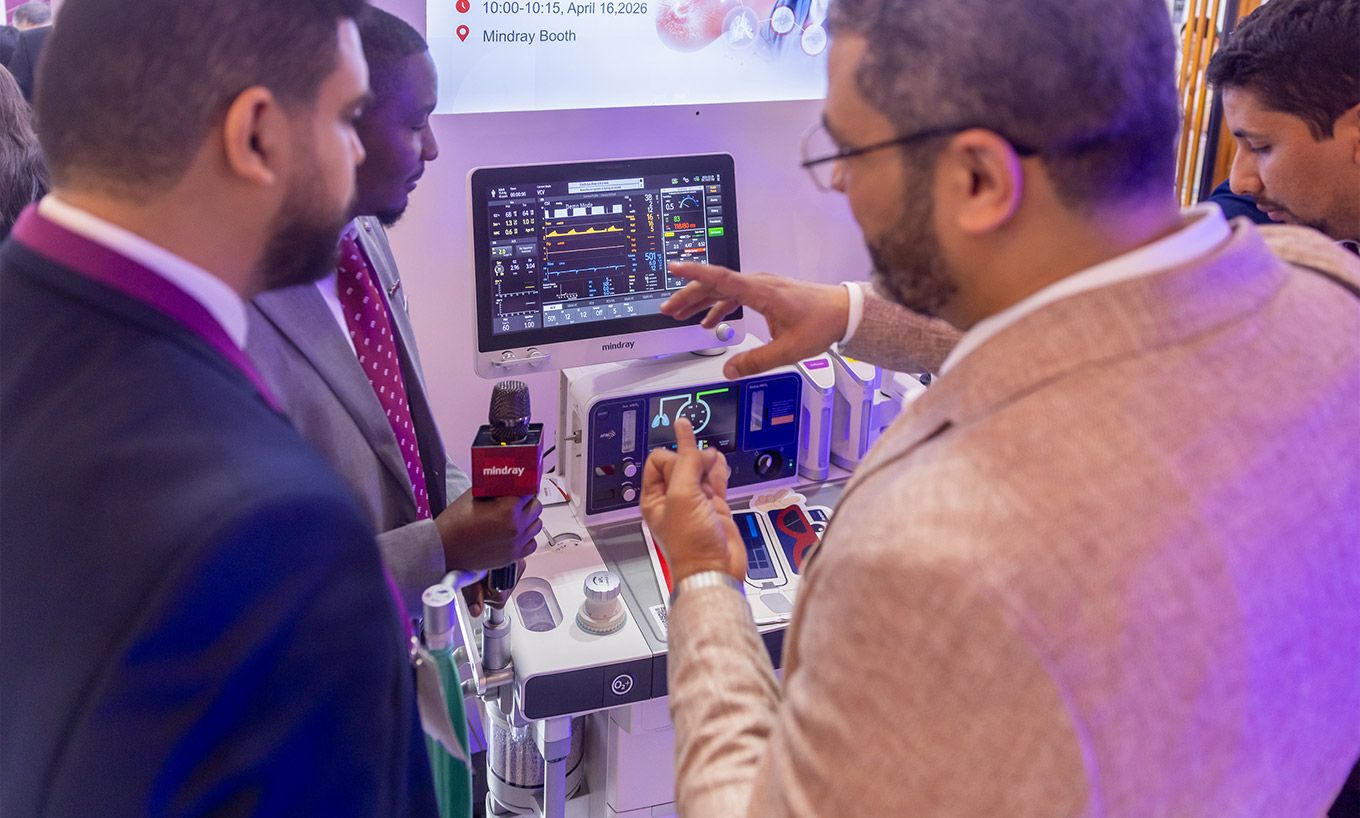
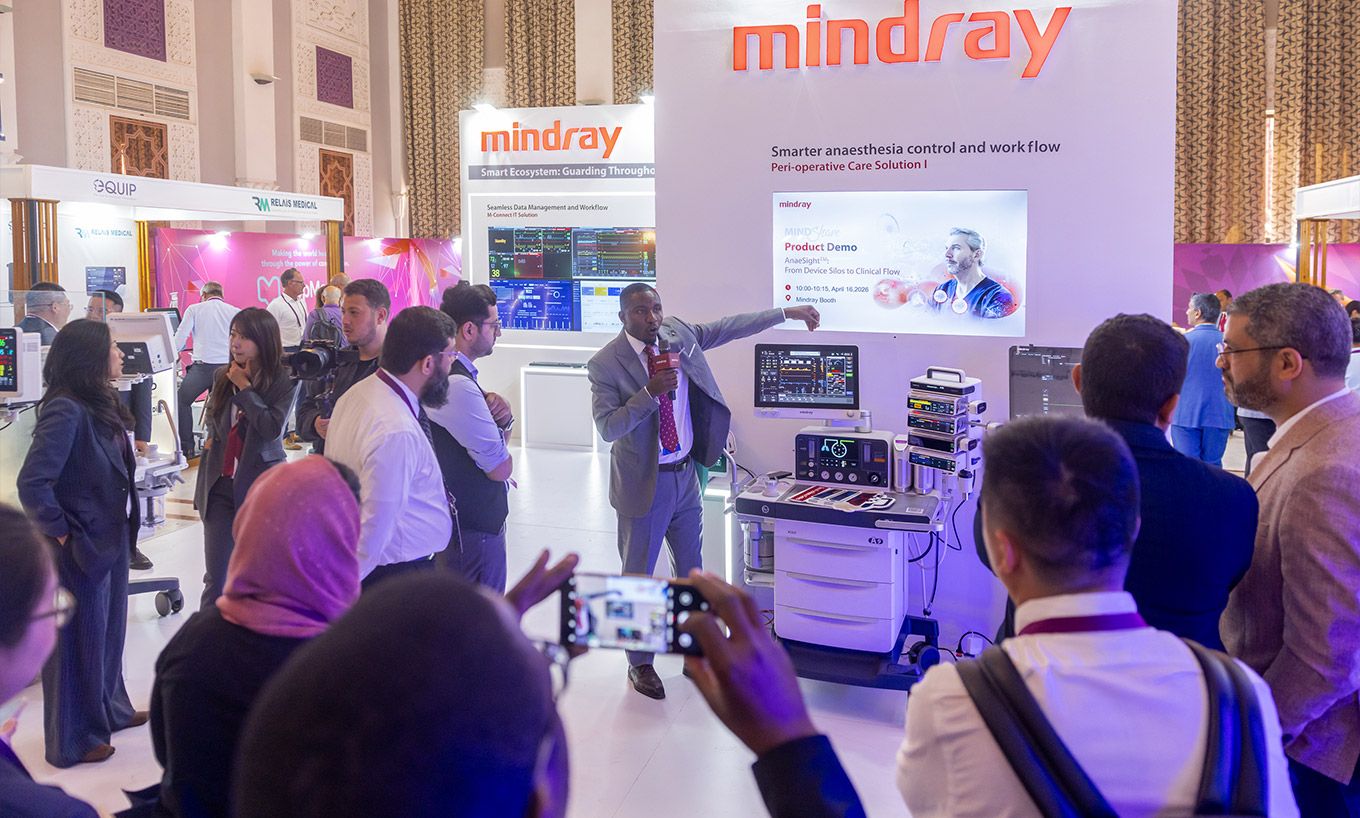
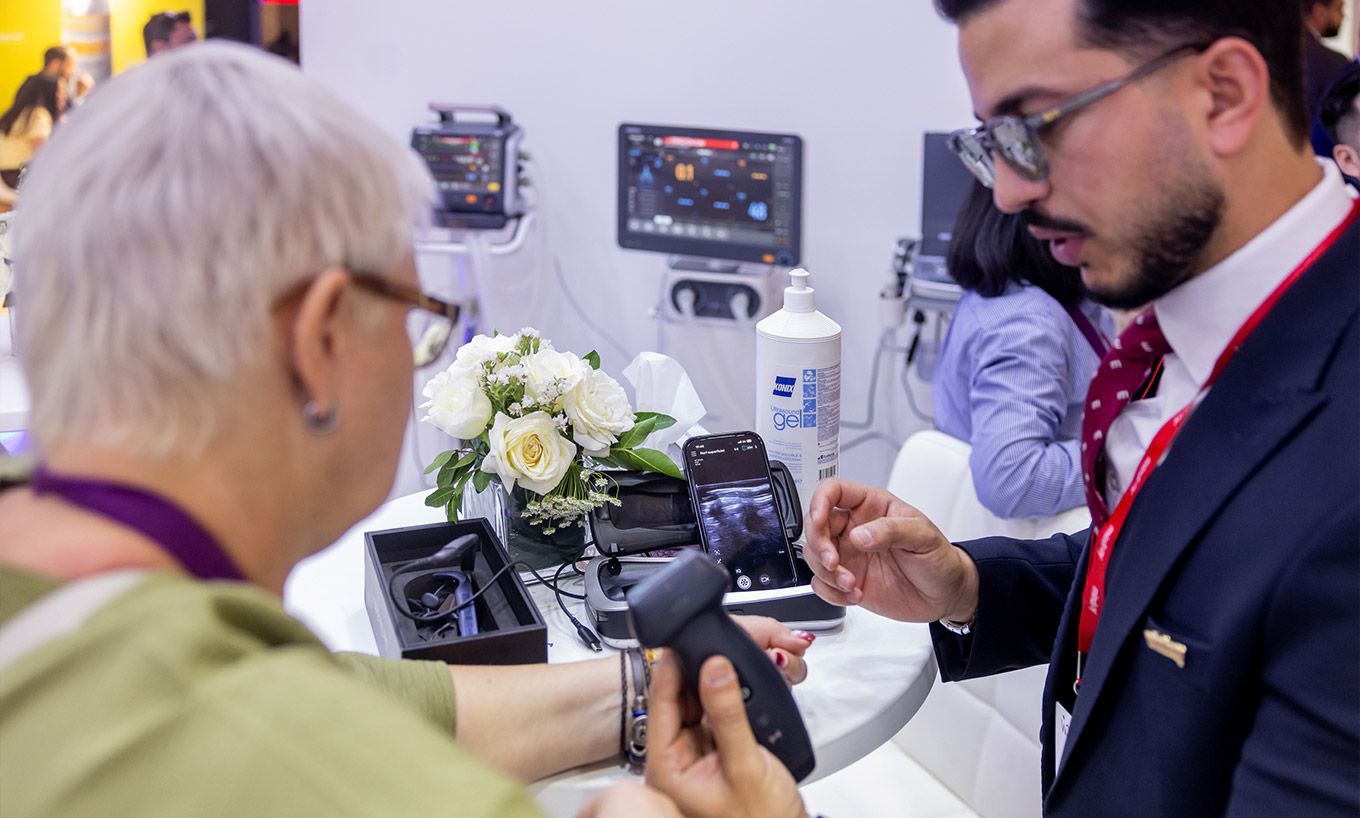
At this year's World Congress, Mindray unveiled a complete smart perioperative ecosystem. By integrating preoperative assessment, intraoperative precision, and postoperative recovery—Mindray is elevating the patient journey to a new standard of "all-round" care. This connectivity ensures that data is not just collected but utilized to create a seamless, safer surgical pathway.
Warmth: Expert Insights into Optimized Care
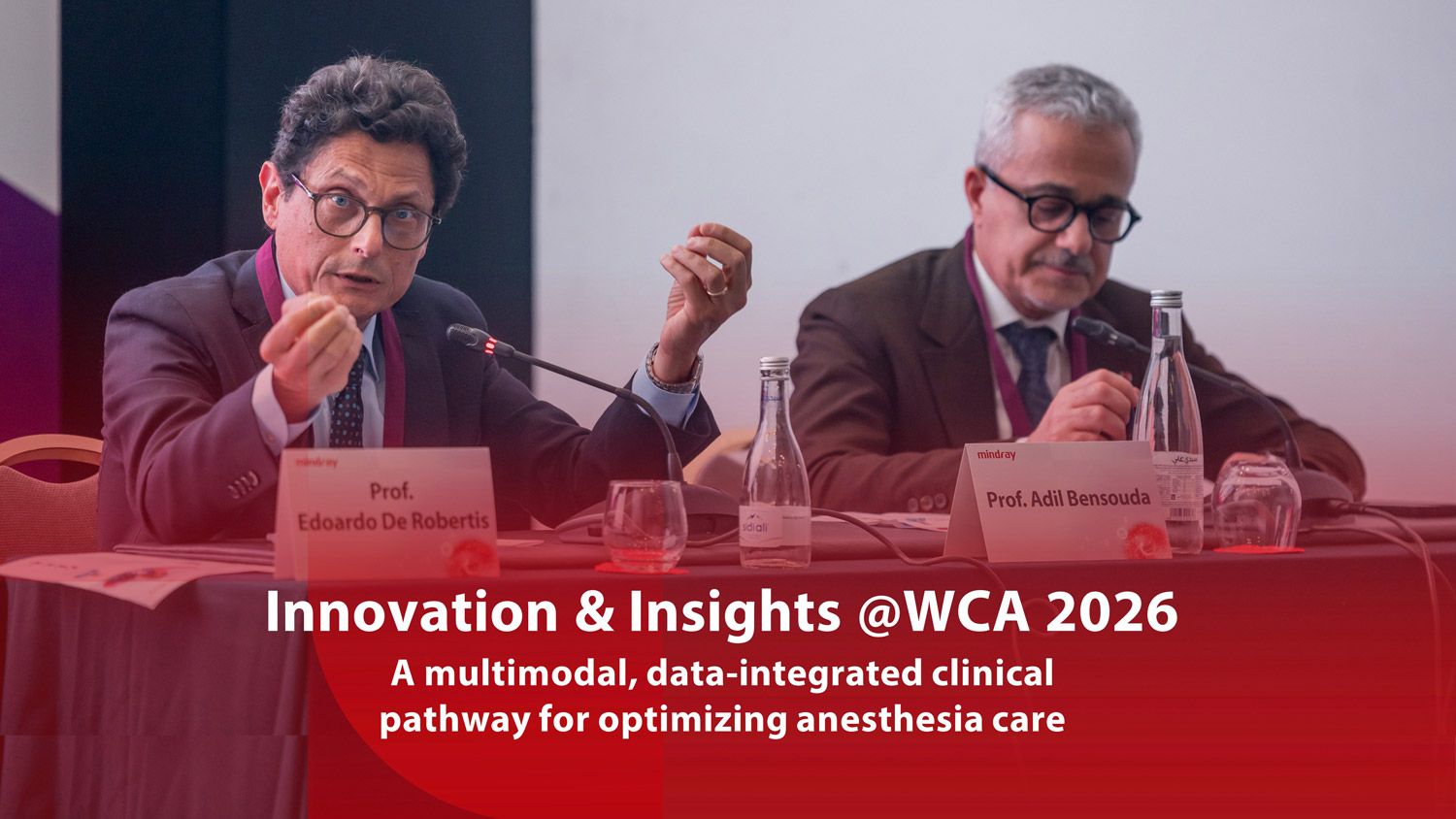
The symposium sparked heated, high-level discussions on integrating advanced technology into bedside clinical practice. The core message was clear: Data-integration & synergy is the key to modern anesthesia.

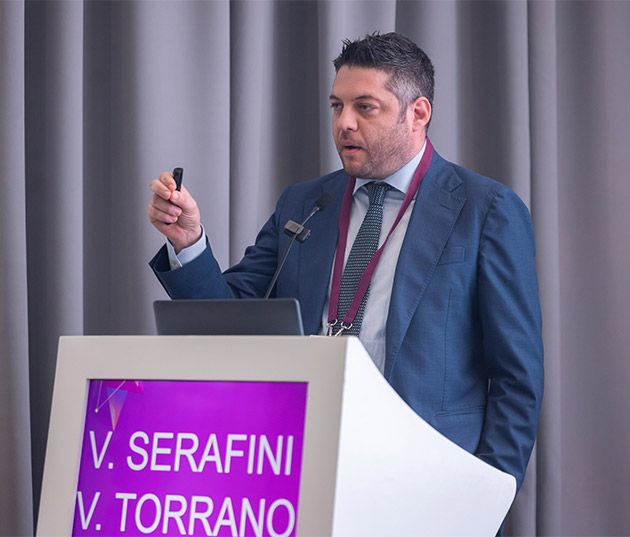
1. TIVA-TCI: The Precision of Synergy
The evolution of Total Intravenous Anesthesia (TIVA) through Target-Controlled Infusion (TCI) remains a cornerstone of patient safety. While BIS and EMAC are not interchangeable, they are highly complementary. Higher drug concentrations correlate with lower BIS values, making eMAC a vital tool for predicting wakefulness.

2. Jet Ventilation: Redefining Surgical Precision
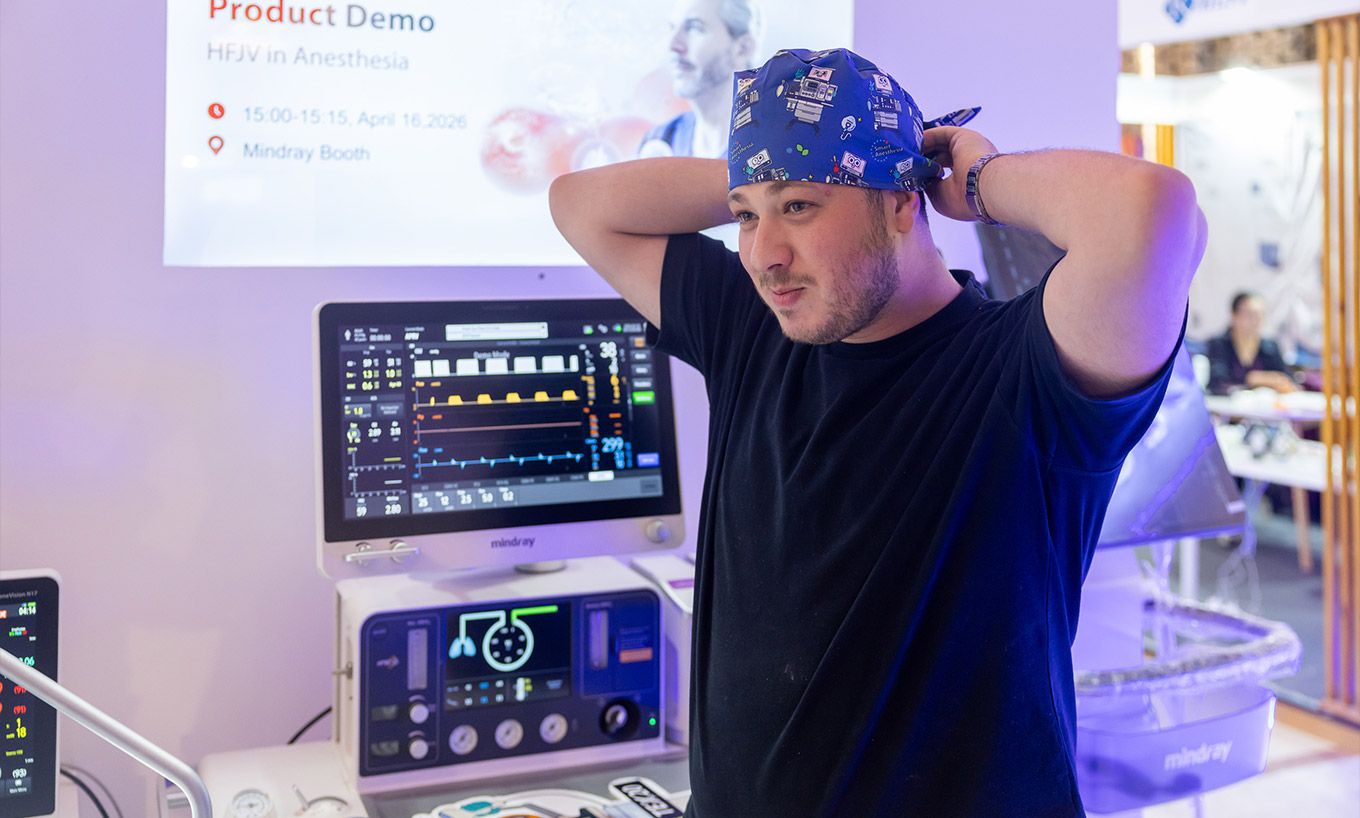
Professor Dongxin Wang led a compelling session on High-Frequency Jet Ventilation (HFJV), highlighting its critical role in complex airway management.
• Clinical Utility: HFJV significantly reduces respiratory motion—a "game changer" for surgeons performing delicate thoracic or airway tumor resections.
• Safety Integration: Mindray’s integrated hardware allows for precise control over oxygen concentration and ventilation parameters, transforming a once-complex maneuver into a stable, controlled clinical standard.

3. HFNO: From "Rescue" to Standard of Care
The discussion on High-Flow Nasal Oxygen (HFNO) therapy centered on its transition from a rescue intervention to a prophylactic standard.
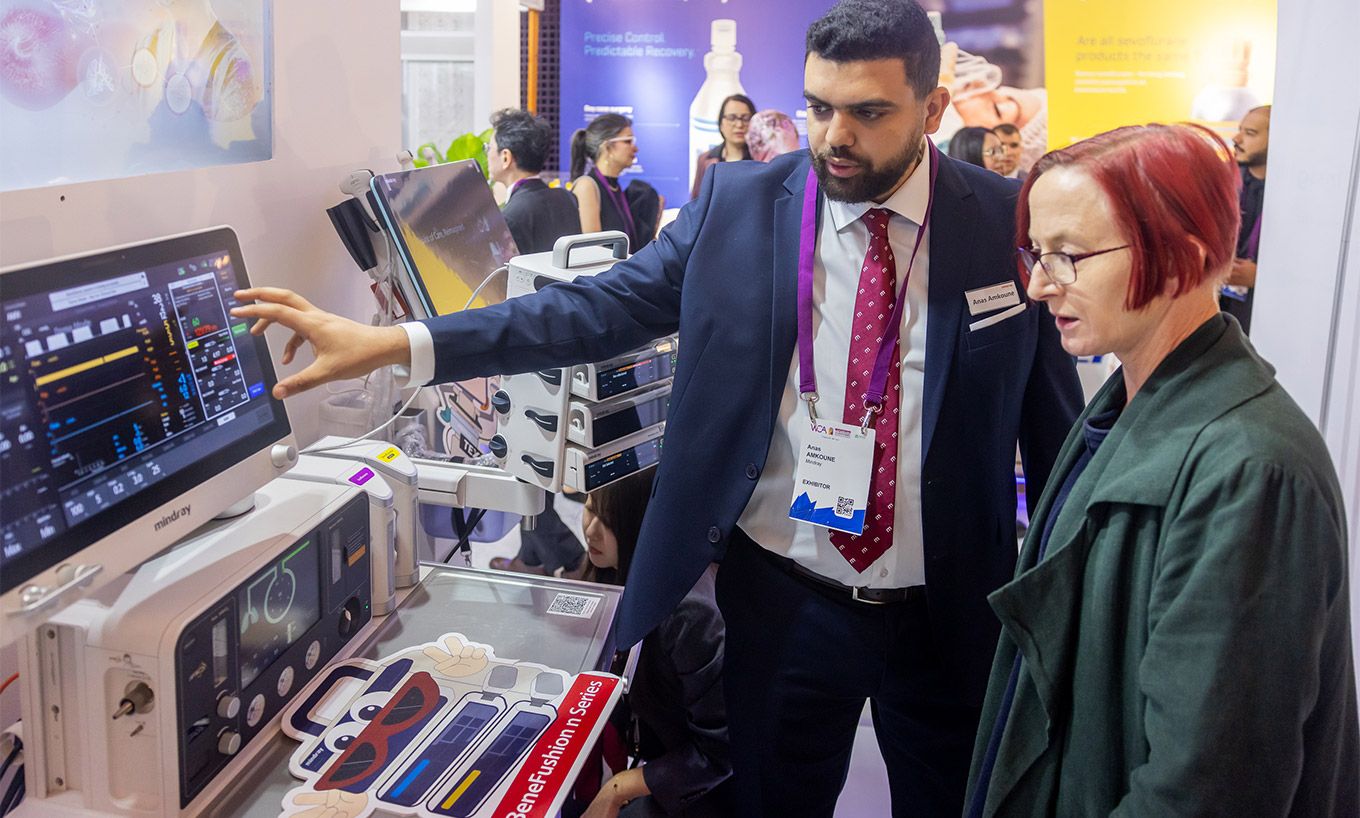
• Integration is Key: By integrating HFNO directly into the anesthesia machine, Mindray enables clinicians to provide seamless oxygenation for high-risk patients (obese, obstetric, or septic) without the clutter of external devices. This integration ensures better functional residual capacity (FRC) from induction through extubation.
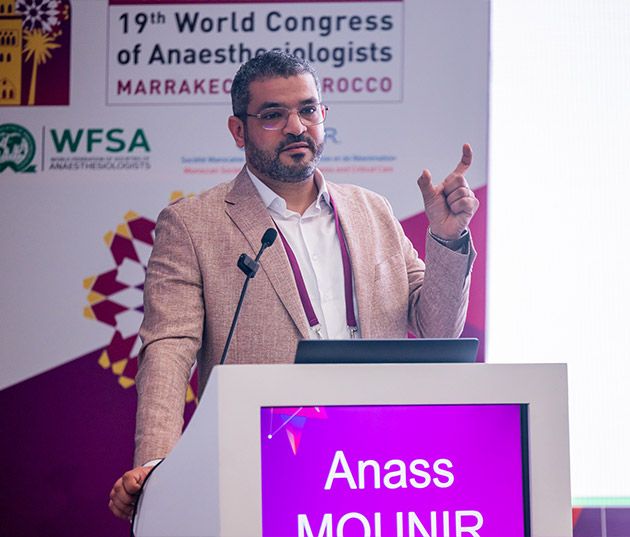
AI: Empowering, Not Replacing, the Human Touch
The roundtable discussion on the future of anesthesia addressed the "elephant in the room": Will robots replace anesthesiologists?
The consensus was a resounding "no." While AI and robotics — from the Da Vinci system to automated infusion—are incredible tools, they lack the humanistic care and intuition that is essential to medicine.
• Augmented Intelligence: The future lies in AI supporting clinical judgment, not overriding it.
• Educational Transformation: The shift calls for a new medical curriculum: one that merges engineering literacy with a renewed focus on human empathy and ethics.
• Challenges: Issues of data privacy, algorithmic error, and patient acceptance remain the frontiers we must navigate together.

The Future: An AI-Empowered Smart Ecosystem
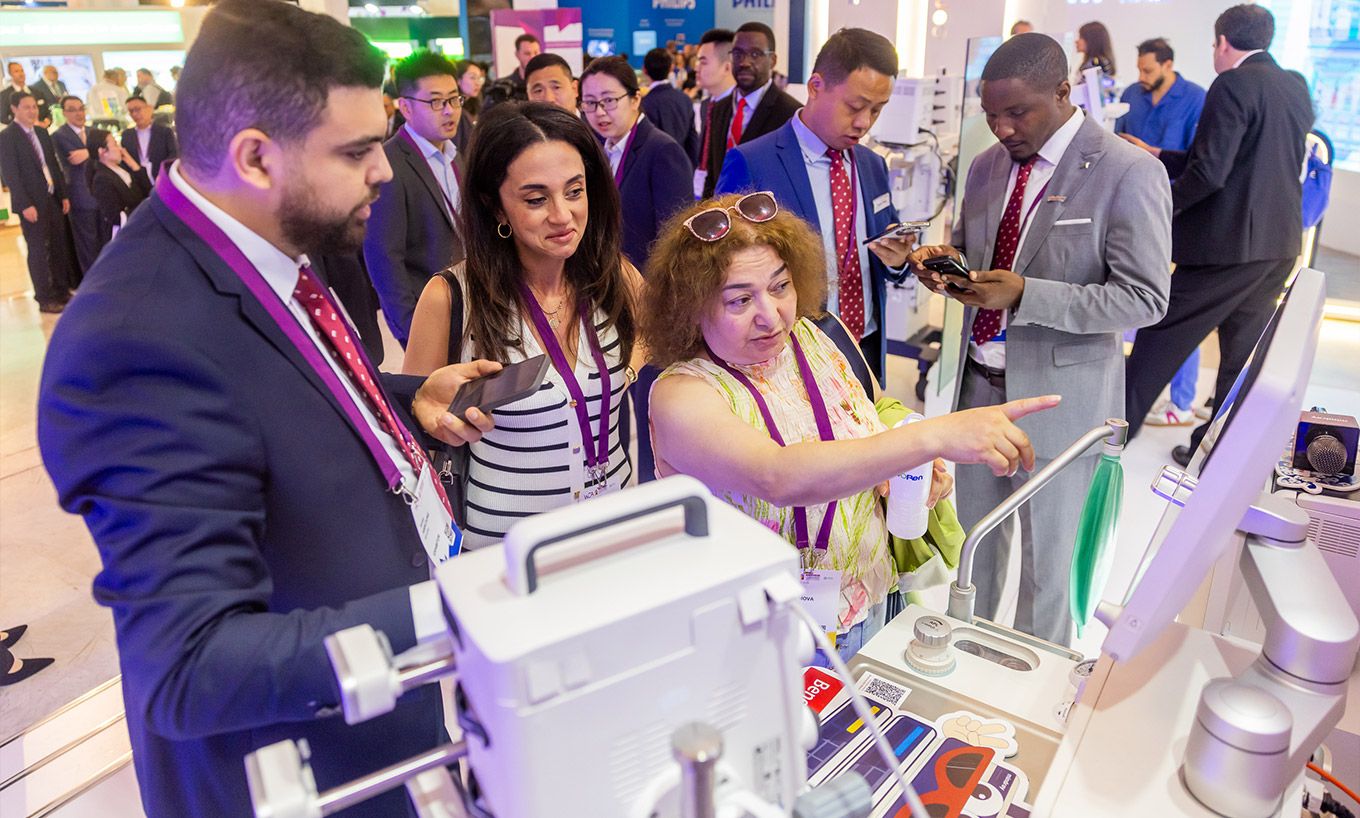
Where does the future of anesthesia lie? It lies in connectivity. Mindray’s Smart Ecosystem leverages whole-hospital connectivity to integrate high-quality, "cleaned" surgical data. By automating workflows and providing real-time clinical decision support, Mindray is not just manufacturing machines—it is building an intelligent environment that improves efficiency, reduces clinician burnout, and, most importantly, guards the patient at every step of the journey.