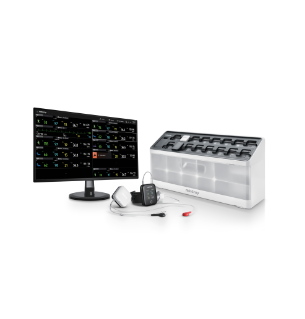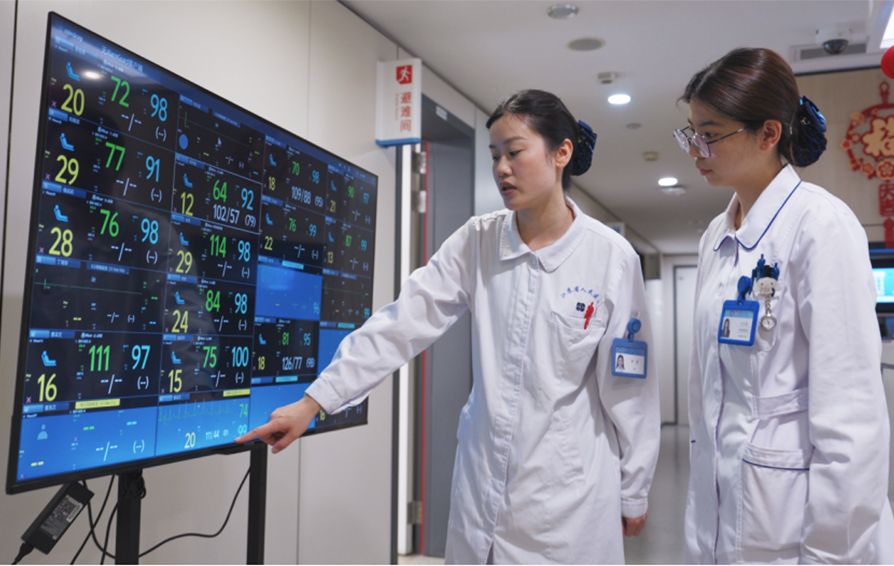
In response to the Pilot Program for Companion-Free Hospital Care, Jiangsu Province Hospital, also known as the First Affiliated Hospital with Nanjing Medical University and Jiangsu Women and Children Health Hospital, has actively explored new care models that reduce reliance on family caregivers and elevate professional nursing standards.
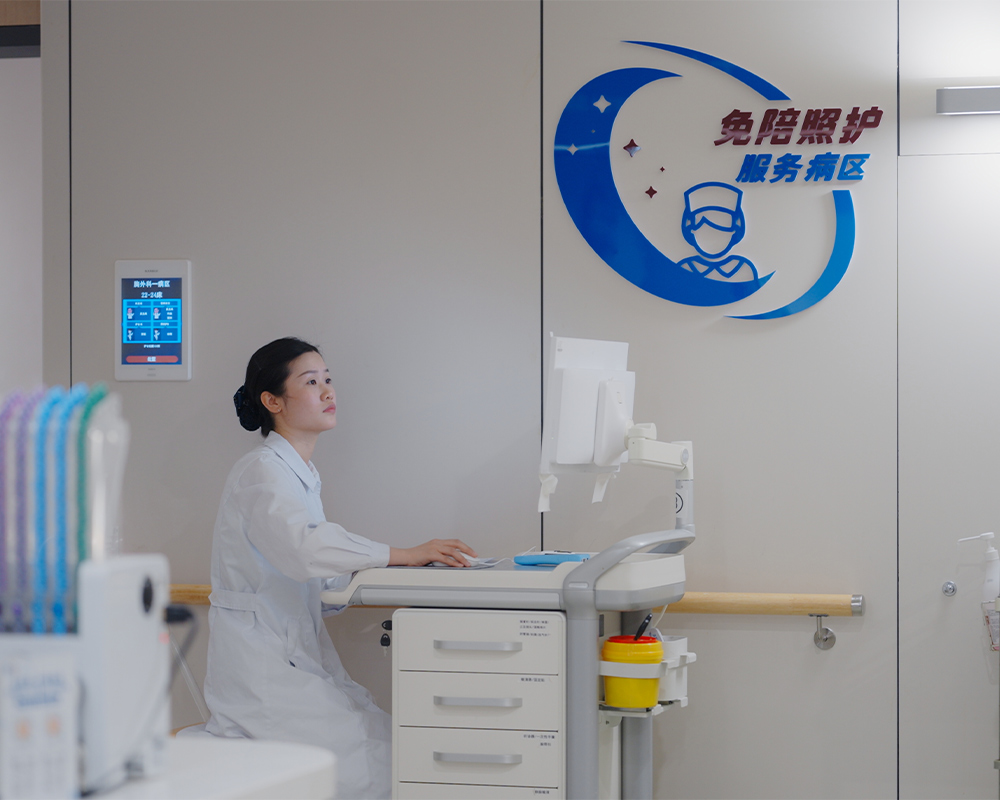
In Ward 1 of the Department of Thoracic Surgery, you won't find patient rooms crowded with family members, nor will you hear hurried footsteps shuttling back and forth. Instead, there is a quiet and comfortable environment where nurses and care assistants offer gentle guidance and patients talk comfortably among themselves. Over 90% of Level 1 patients here have opted for the "companion-free" care services, with satisfaction rates reaching 98%.
For many families, this shift relieves the pressure of "having to take time off work for bedside care". For Jiangsu Province Hospital and its nursing team, it is far more than a service upgrade—it is a fundamental transformation driven by Intelli-Digital empowerment and full-cycle management.
The Confidence Behind Companion-Free Care
Since the National Health Commission and two other ministries issued the Pilot Program for Companion-Free Hospital Care, this new model has been rolled out across China. As a key pilot hospital, Jiangsu Province Hospital operates on a clear principle: "Let professionals do what they do best, and free families from the forced role of 'part-time caregivers'. "
From "companion without care" in 2003 to today's "companion-free" care model, Jiangsu Province Hospital has remained at the forefront of medical innovation. According to Li Fang, Director of the Nursing Department, the success of this model rests on two pillars: a highly professional nursing team and the extensive use of Intelli-Digital technologies.
Highly Professional Nursing Team
With nursing assistants handling basic care tasks, such as feeding, repositioning, percussion, and assisting with sputum clearance, nurses can focus their expertise on continuous patient monitoring and specialized rehabilitation care.
Extensive Use of Intelli-Digital Technologies
Li Fang
Director of the Nursing Department, Jiangsu Province Hospital
By building a smart ecosystem powered by Intelli-Digital technologies, we drive the innovative implementation of "companion-free" care wards to deliver more personalized services and better patient outcomes.
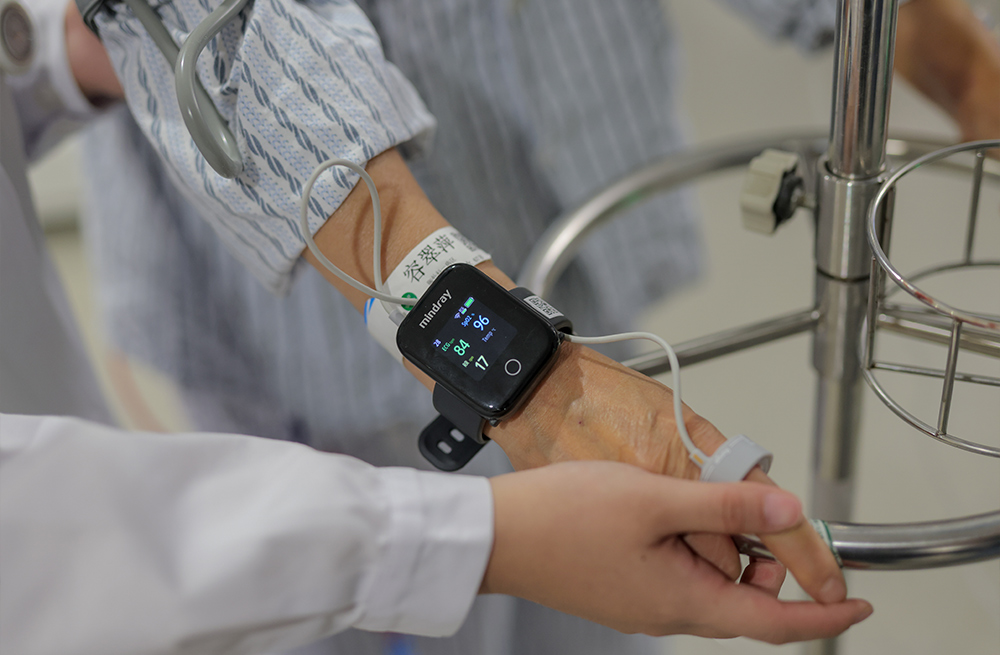
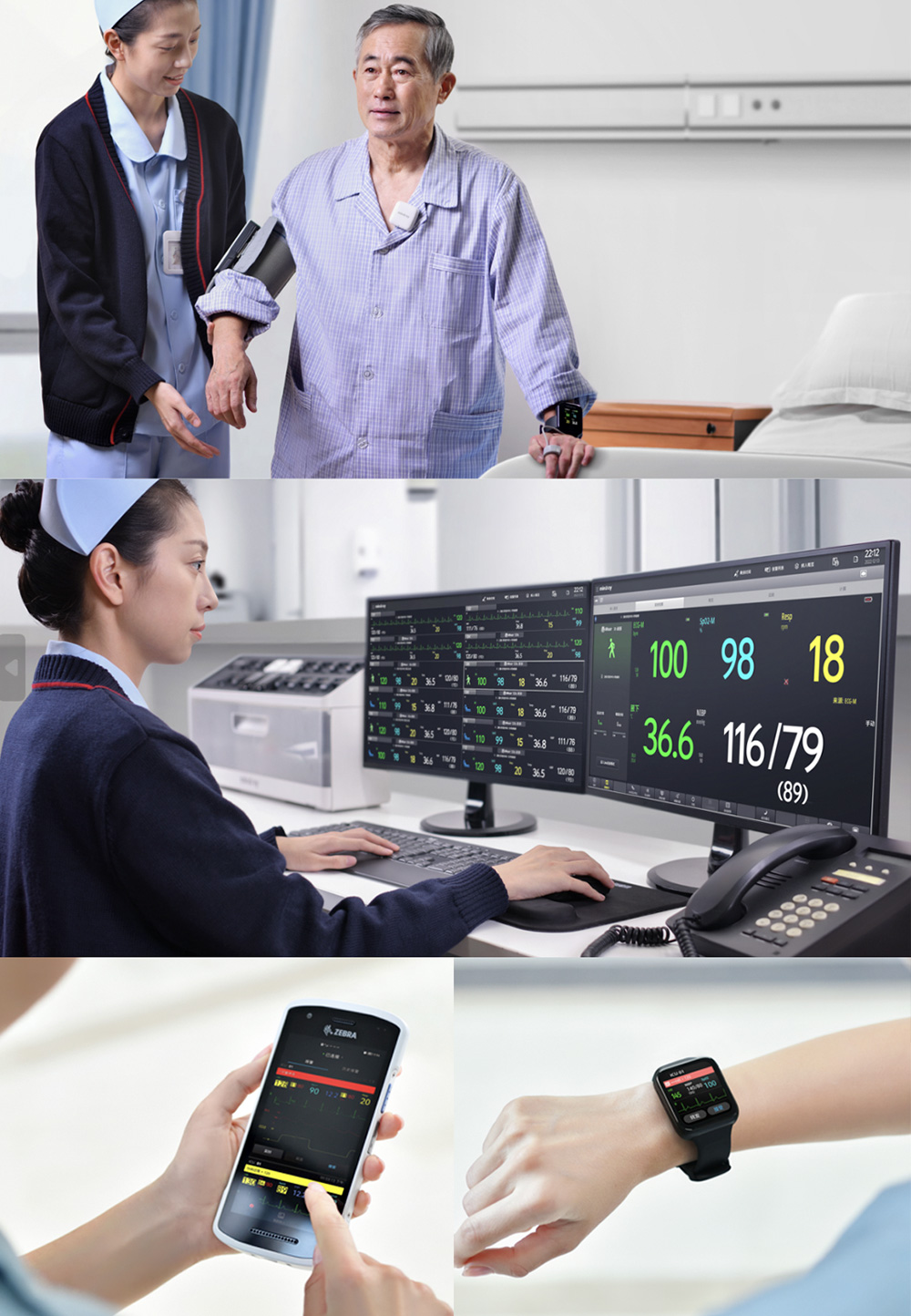
Through the deployment of smart monitoring networks and wearable devices, Jiangsu Province Hospital is transforming monitoring models, reshaping nursing workflows and environments, and extending the reach of patient care. This ensures patients receive personalized and seamless care throughout their recovery.
Visible Acceleration of Recovery
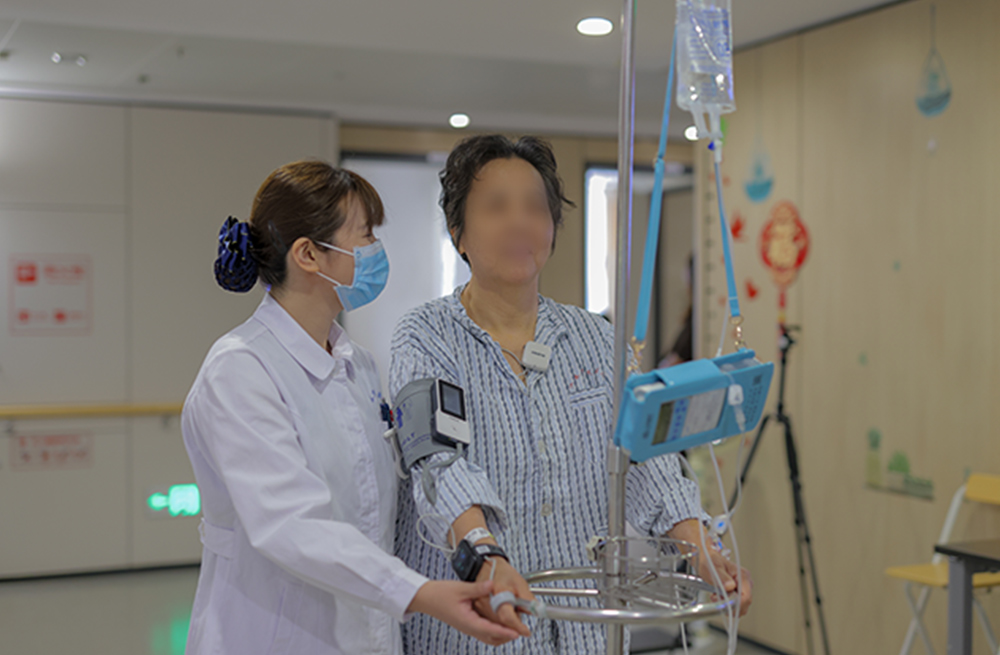
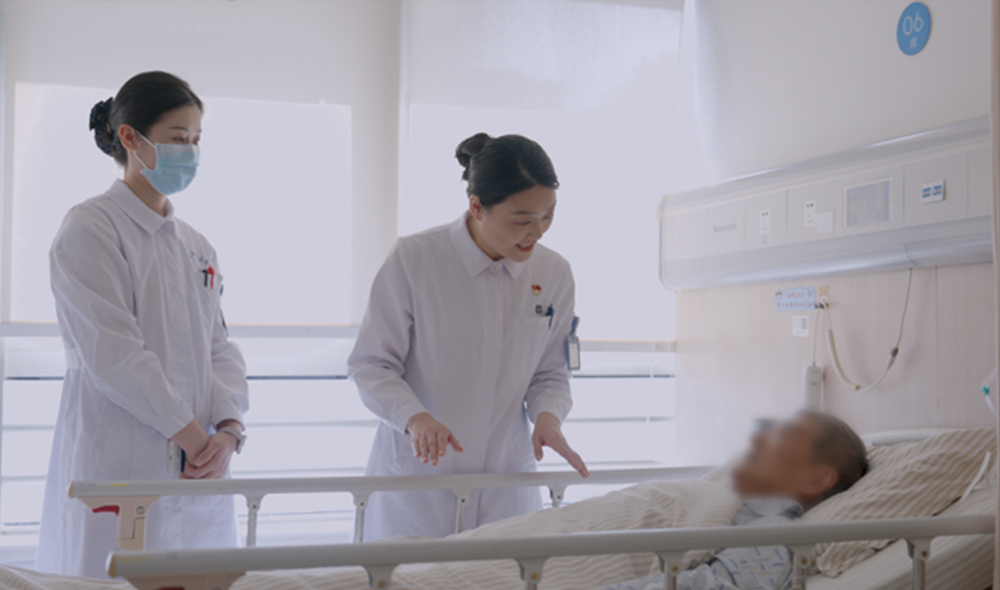
Nurse: "Uncle Ge, how did it feel getting out of bed for the first
time today? "
Patient: "A little nervous at first, but seeing
normal vitals on the monitor put me at ease. "
Nurse: "Don't
worry, we're right here with you. And our central monitoring screen
also displays your vital signs in real time. The sooner you start
moving around, the faster you'll recover. "
This innovative monitoring model frees patients from traditional cable constraints through lightweight wearable devices that deliver real-time, precise monitoring. Patients can move around safely while following data-driven recovery guidance that leads them through progressive lung exercises and early mobilization activities (6-minute walk test). The result is a more controlled and reassuring recovery experience.
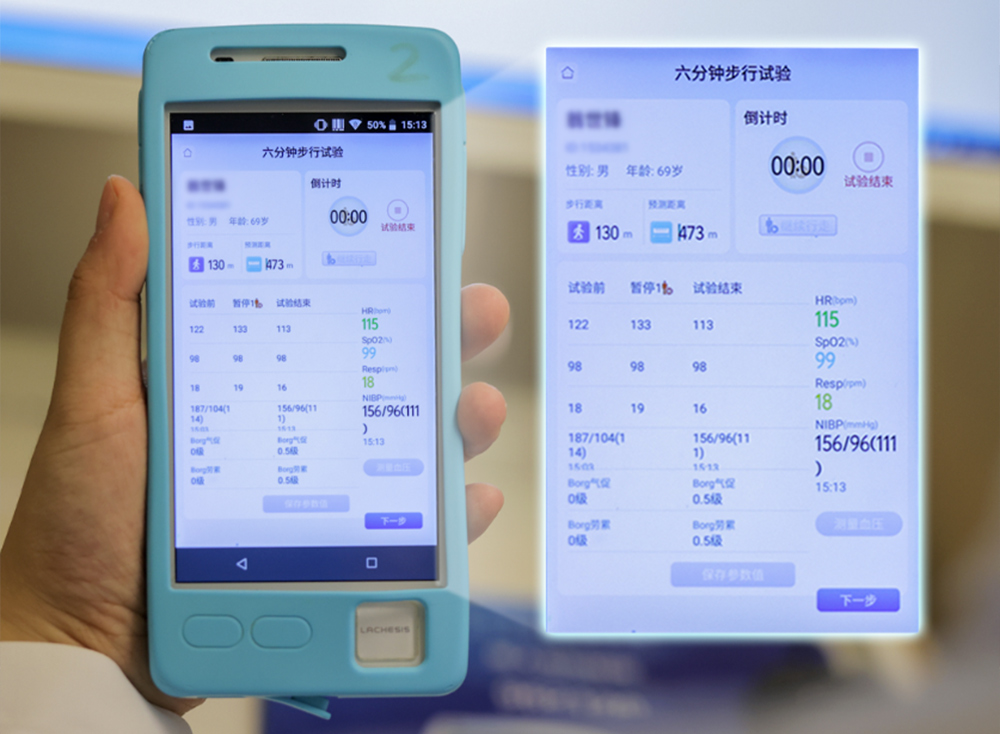
Concurrently, the smart monitoring network automatically uploads patient vital signs to the nursing system in real time, eliminating tedious documentation. This frees up nurses to spend more time at the bedside, focusing entirely on comprehensive, patient-centered care.
Cao Juan
Head Nurse of Ward 1, Department of Thoracic Surgery, Jiangsu Province Hospital
We now have more time and energy to observe patients' complex conditions, track their status changes, and engage more fully with patients and their families regarding essential recovery aspects. These seemingly 'unhurried' components of care are actually crucial to the entire recovery process.
With Intelli-Digital empowerment, recovery outcomes in the "companion-free" care wards have become "visible", with respiratory exercise compliance rates improving from 72.66% to 84.75%.
The Closed Loop of Precision Nursing Beyond the Ward
The "companion-free" care ward is merely a starting point for Jiangsu Province Hospital. Driven by the success of the pilot program, it is accelerating the rollout of smart wards and scaling its smart ecosystem, deepening this initiative by following a strategic pathway of "closed-loop data management, intelligent decision-making, and scenario-specific services" .
Li Fang
Director of the Nursing Department, Jiangsu Province Hospital
We will continue to embrace the new smart ecosystem. By integrating more Intelli-Digital technologies, such as wearable monitoring devices, we will deliver precise, closed-loop nursing solutions across the full cycle of patient care.
Along this pathway, wearable monitoring devices are becoming a critical hub.
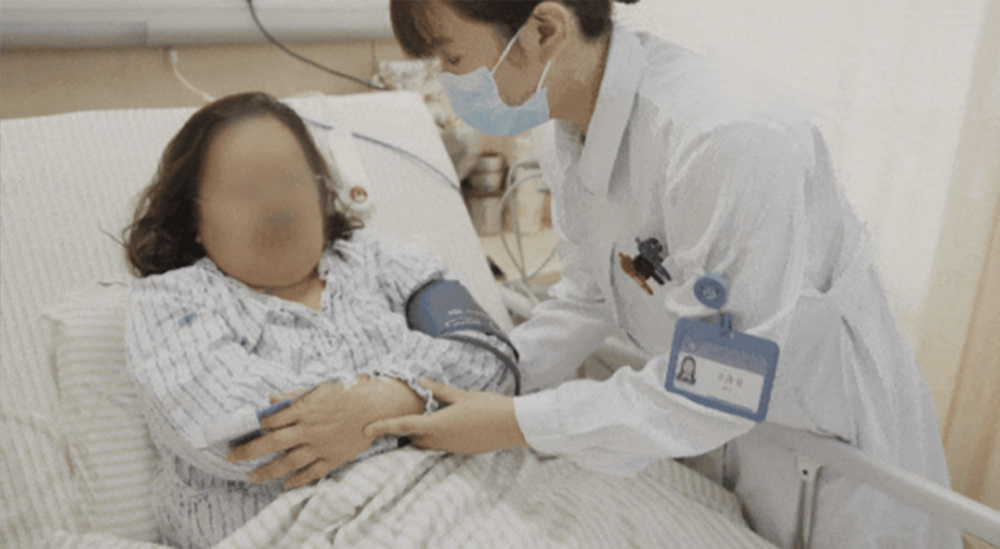
In the hospital: These devices provide real-time monitoring and automated vital sign collection, freeing nurses from administrative tasks to focus on patient observation and bedside care; they also offer dynamic risk assessment with real-time alerts sent to the appropriate medical staff, ensuring that any abnormal fluctuation in a patient's condition is quickly detected and effectively addressed.
Outside of the hospital: These devices enable a seamless transition from "professional in-hospital care" to "home-based continued rehabilitation", providing patients with whole-life health care.

Cao Juan
Head Nurse of Ward 1, Department of Thoracic Surgery, Jiangsu Province Hospital
In the future, wearable monitoring devices will create a seamless connection between patients and hospitals. When patients feel anxious or uneasy, they can simply check their vital signs on the device interface to understand their current state. And we can also monitor patients' health status at home remotely, allowing early intervention rather than 'reactive hospital visits'.
From alleviating the burden on families through patient-centered care, to empowering nurses with innovative care models and extending health protection across the entire life cycle, Jiangsu Province Hospital's exploration of "companion-free" care is offering a compelling vision of what the future of intelligent healthcare can look like.
This is more than equipment upgrades, ecosystem expansions, reshaped care models, and a forward-looking overhaul of the care system—it is a public hospital's heartfelt and resolute response to the sweeping changes reshaping society.