"The history of Renji Hospital is a story of growth bound to the nation's fate, a legacy of benevolence devoted to humanity's well-being, and a journey of unwavering determination to reach new heights," said President Xia Qiang at the 180th anniversary celebration of Renji Hospital affiliated to Shanghai Jiao Tong University School of Medicine (hereinafter "Renji Hospital") in 2024.

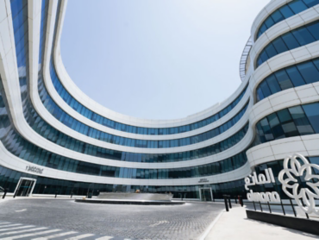
Renji Hospital affiliated to Shanghai Jiao Tong University School of Medicine
Founded in: 1844
Fudan University "China Hospital Comprehensive Ranking 2023": A++++
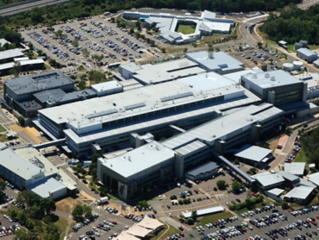
Four major campuses: East, West, South and North
Total beds: 2750
National key clinical specialties: 13
As public hospitals across China pursue high-quality development, Renji Hospital—drawing on over 180 years of heritage—is pioneering a new path in intelligent hospital transformation. In May 2021, the hospital established its Intelligent Healthcare Development Office to spearhead digital transformation, advancing toward an Intelligent Hospital featuring Intelligent Healthcare, Intelligent Service and Intelligent Management.
From 1 to 100: building practical intelligent healthcare scenarios
In March 2020, Renji Hospital launched its "Internet Hospital" as one of Shanghai's first licensed public platforms. Since then, the platform has evolved from version 1.0 (online integration) through version 2.0 (online-offline integration) to the current version 3.0 (regional integration), now serving as the cornerstone of the hospital's digital transformation.
The thriving development of the Internet Hospital has paved the way for Renji Hospital's digital transformation.
"If Renji Hospital's Internet Hospital marked the breakthrough from 0 to 1, building practical intelligent healthcare scenarios now drives the journey from 1 to 100. "
This is how Renji Hospital's "Intelligent Hospital Development" promotional video describes the significance of intelligent healthcare. When we step into the Liver Surgery Clinical Treatment Center at Renji Hospital's East Campus, and observe the Intelligent Surgical Suite and ICU – where every second counts and there is no room for error – we can clearly see how innovative solutions directly empower clinical practice.
Intelli-Digital system enhances surgical safety and efficiency
"During surgery, every fluctuation in vital signs can be a matter of life and death. Monitoring patient information used to be difficult, and resource coordination posed significant challenges for surgeons," said Dr. He Kang, Deputy Director of the Department of Liver Surgery at Renji Hospital.
As a National Key Clinical Specialty, the Department of Liver Surgery at Renji Hospital has ranked first in China for liver transplant volume for 13 consecutive years and first globally for pediatric liver transplants for 11 consecutive years.
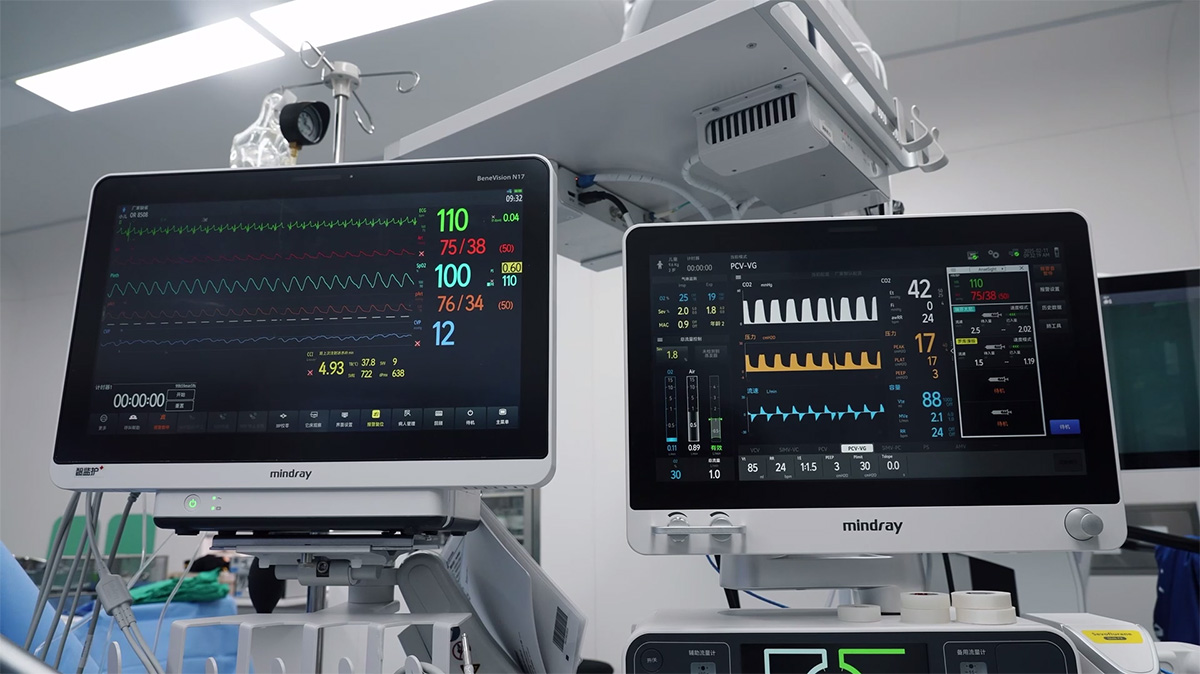
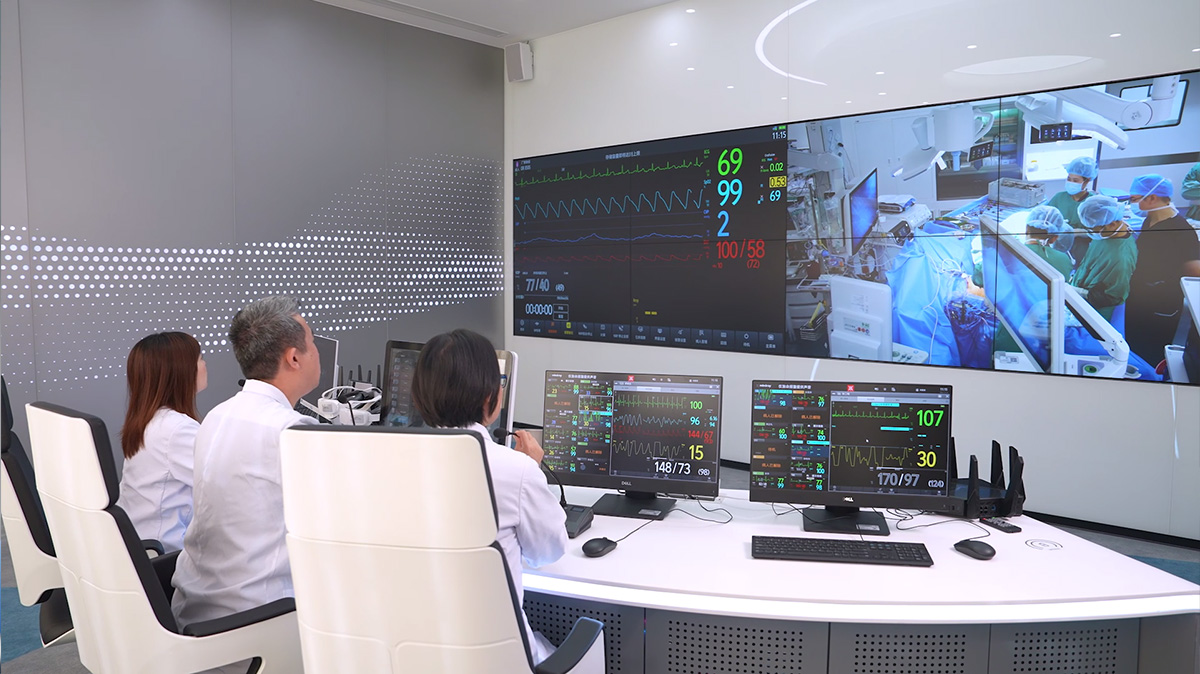
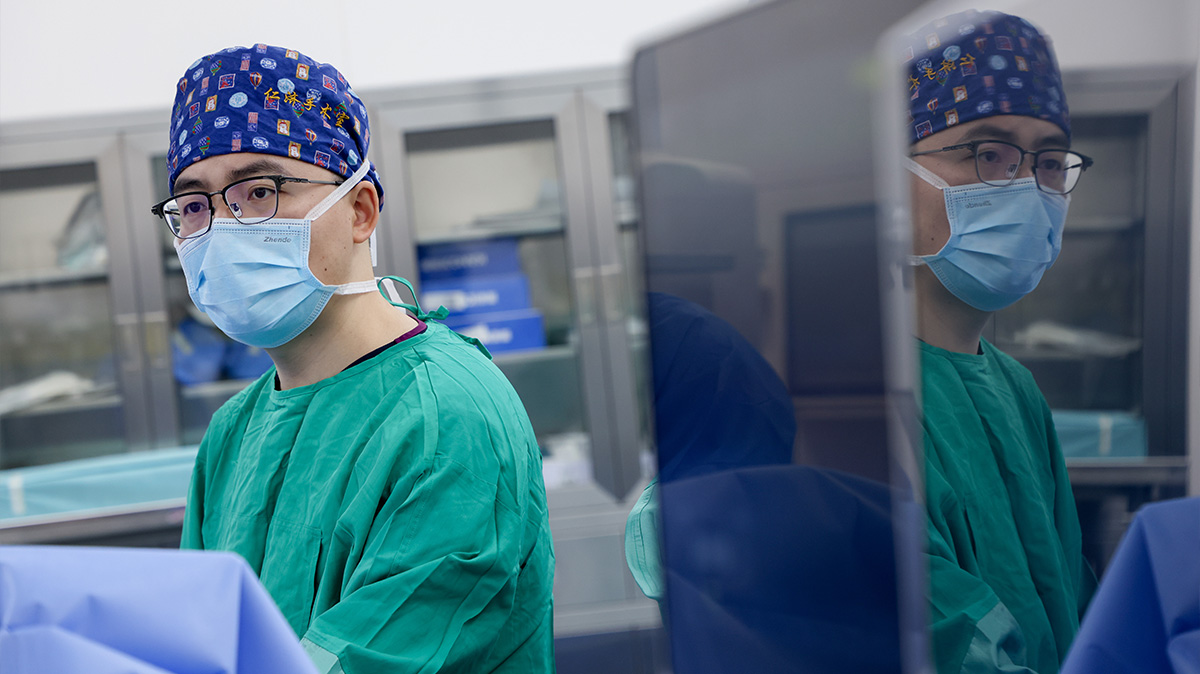
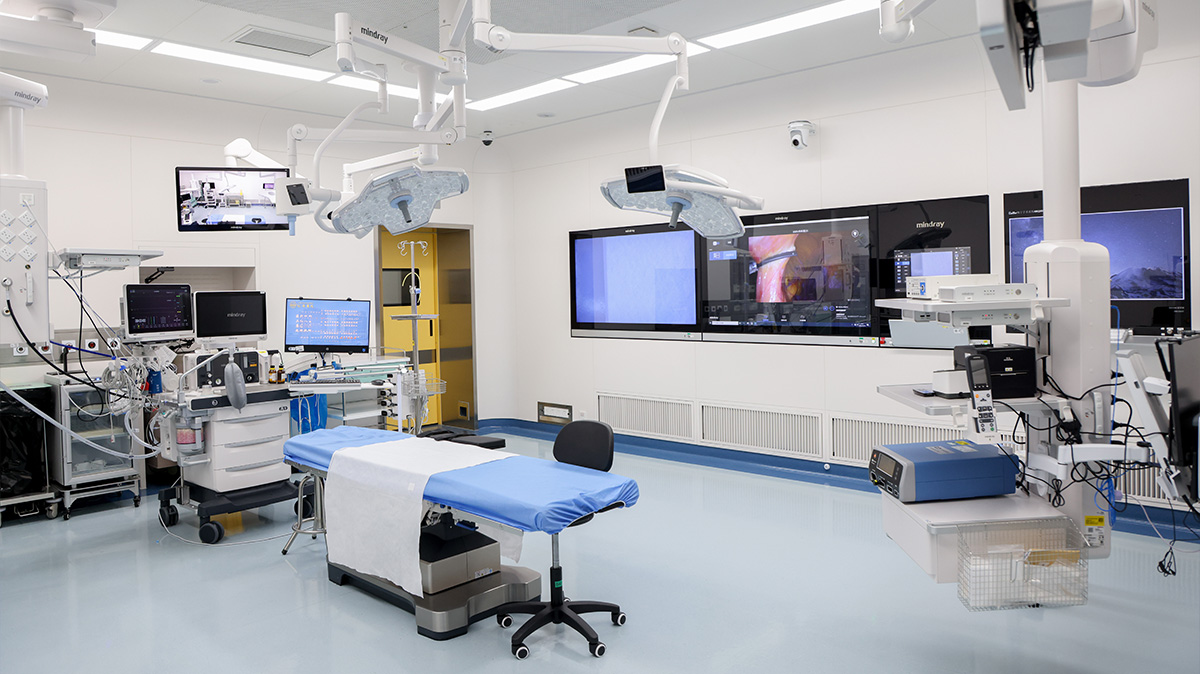
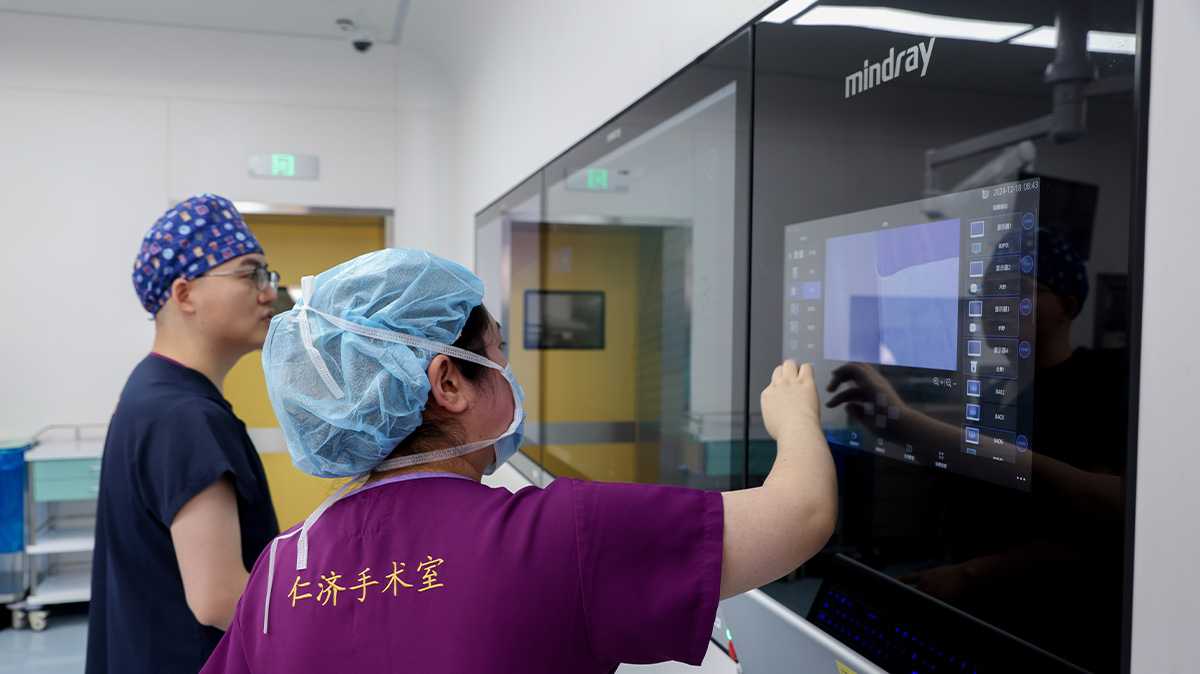
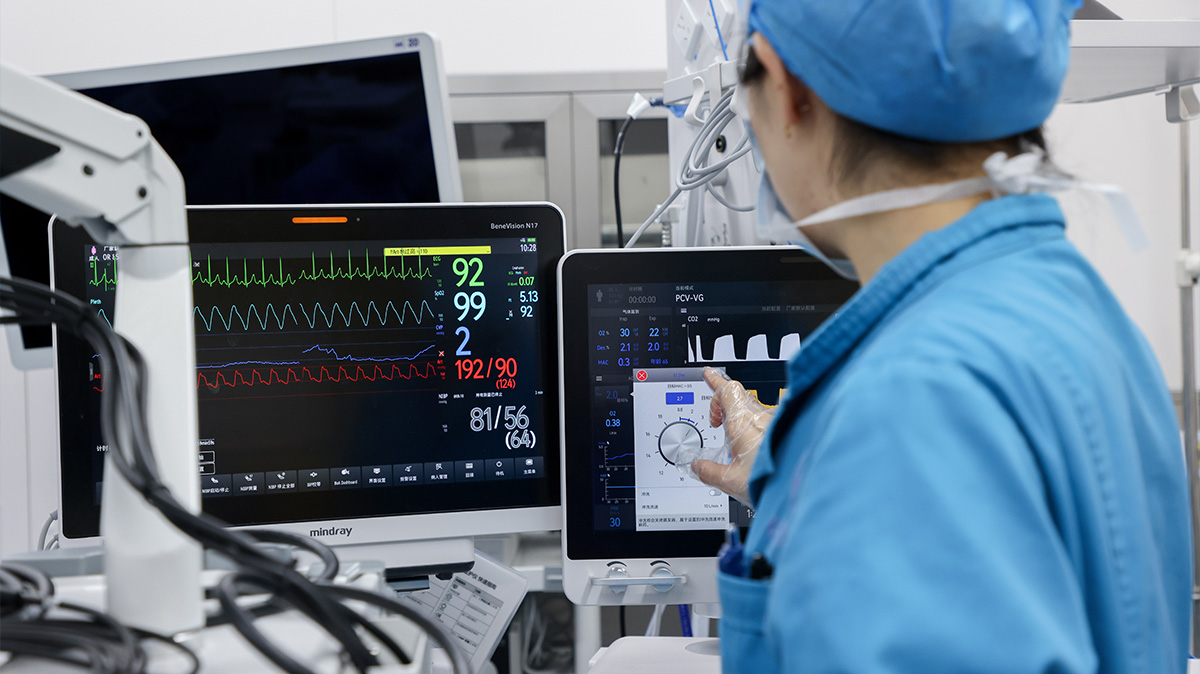
The Liver Surgery Clinical Treatment Center at Renji Hospital East Campus houses a nearly 5,000m2 ambulatory surgery center with 26 digital operating rooms. These operating rooms are equipped with Mindray's comprehensive solutions, including anesthesia systems, monitors, ventilators, infusion workstations, POC ultrasound, medical supply units and endoscopes, greatly improving surgical efficiency for medical staff.
Mindray's Intelli-Digital OR solution integrates and visualizes multimodal data, and offers one-touch equipment setup, enabling medical staff to focus on what matters most. Additionally, it transmits high-definition surgical video in real-time without signal loss to any display terminal on the network, allowing for remote observation and guidance.
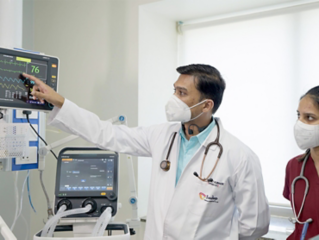
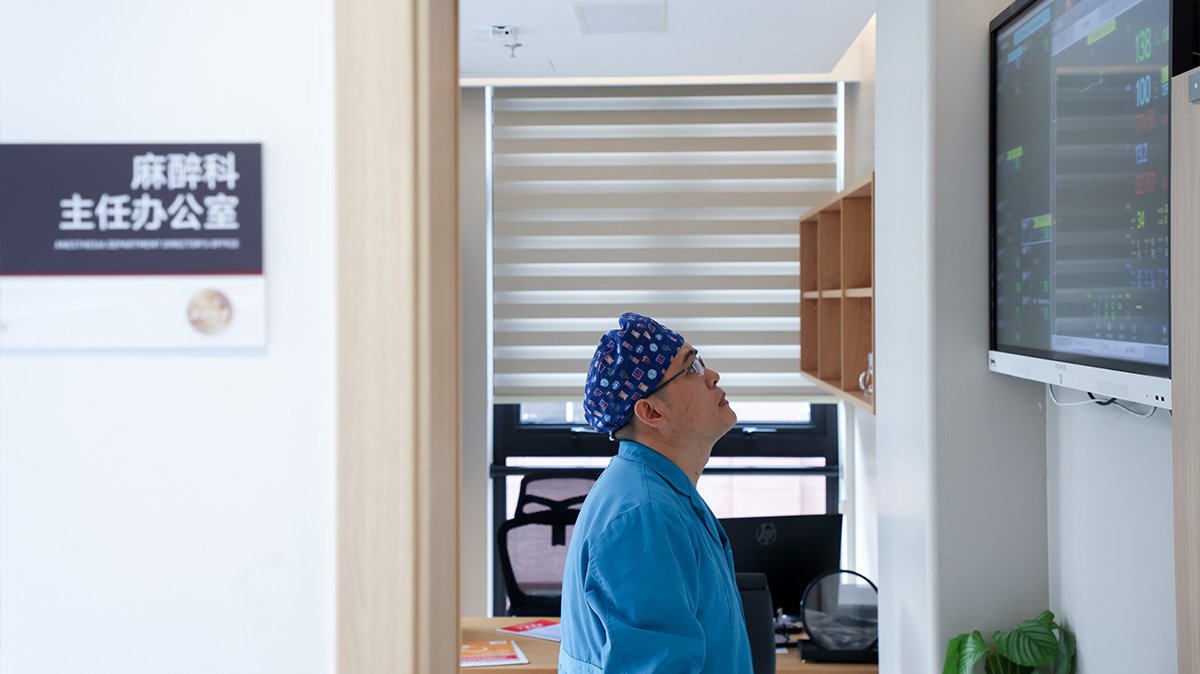
As a critical life-saving component of surgery, anesthesia management is key to surgical success. With Mindray's tiered anesthesia management solution, anesthesiologists and surgeons at Renji Hospital can remotely monitor patients and control all OR equipment from the DSA command center, optimizing anesthesia management while ensuring patient safety.
AI model supports critical care treatment decisions
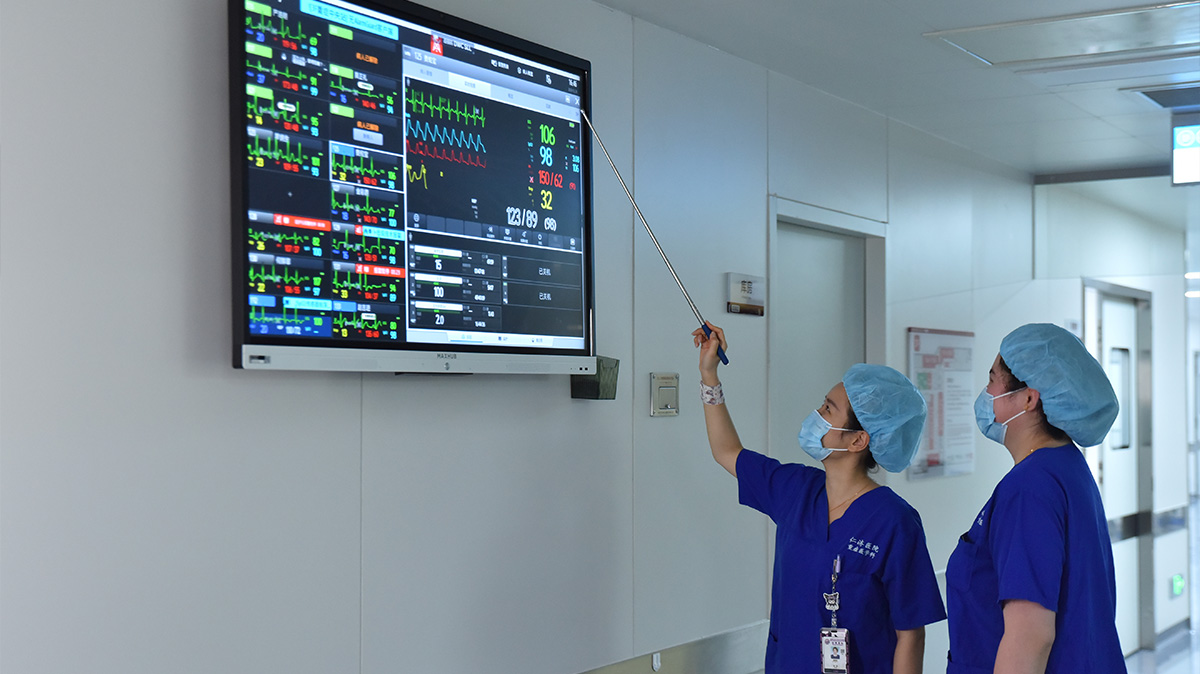
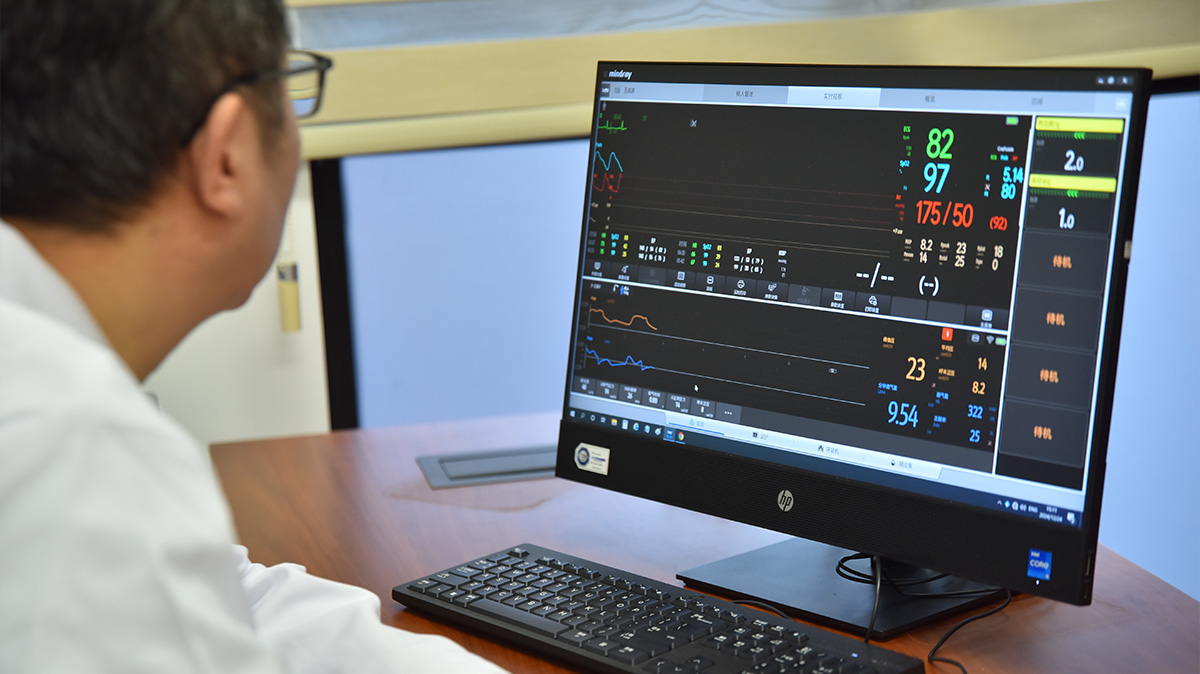
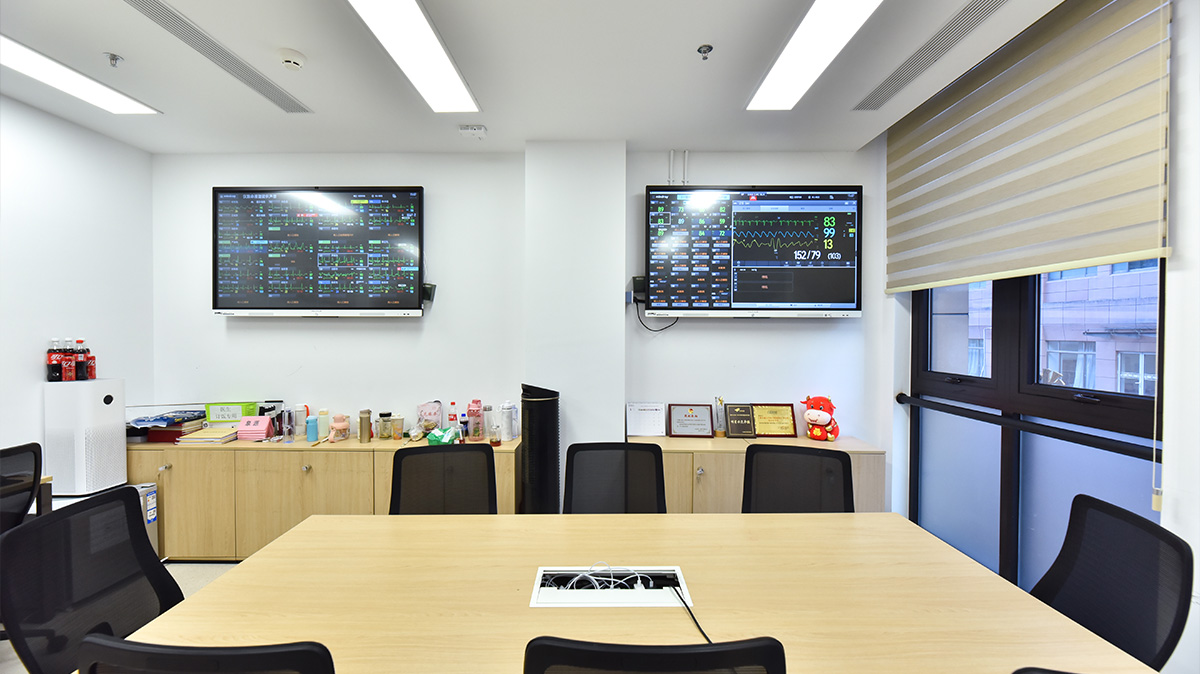
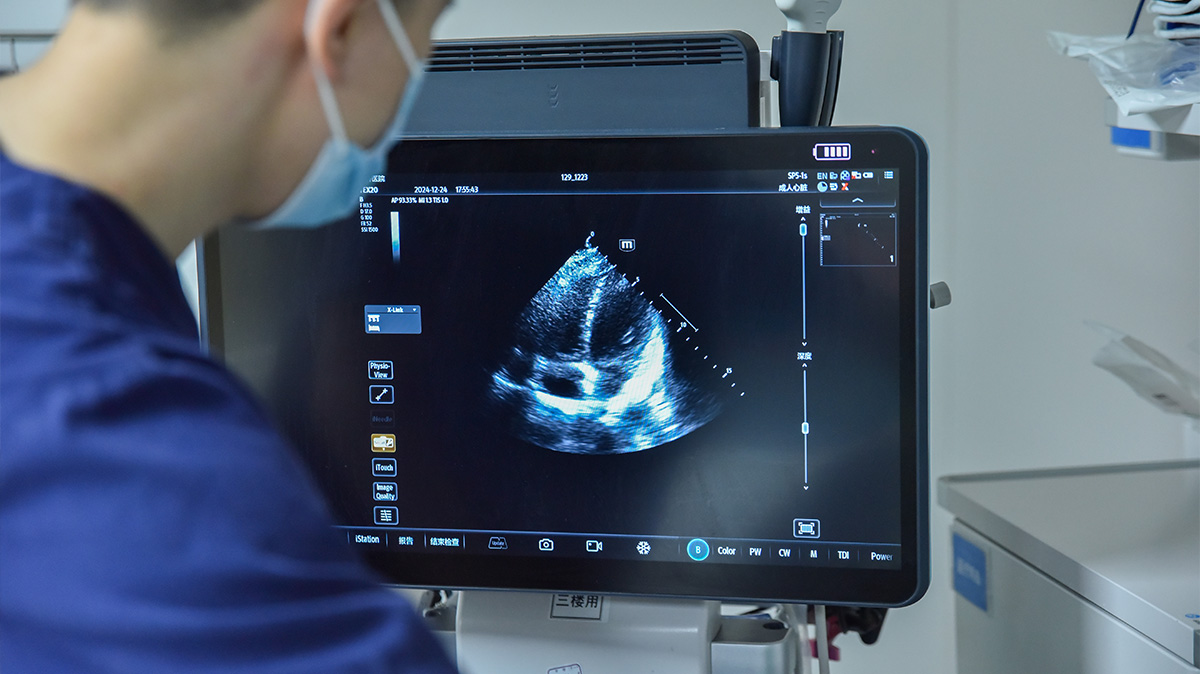
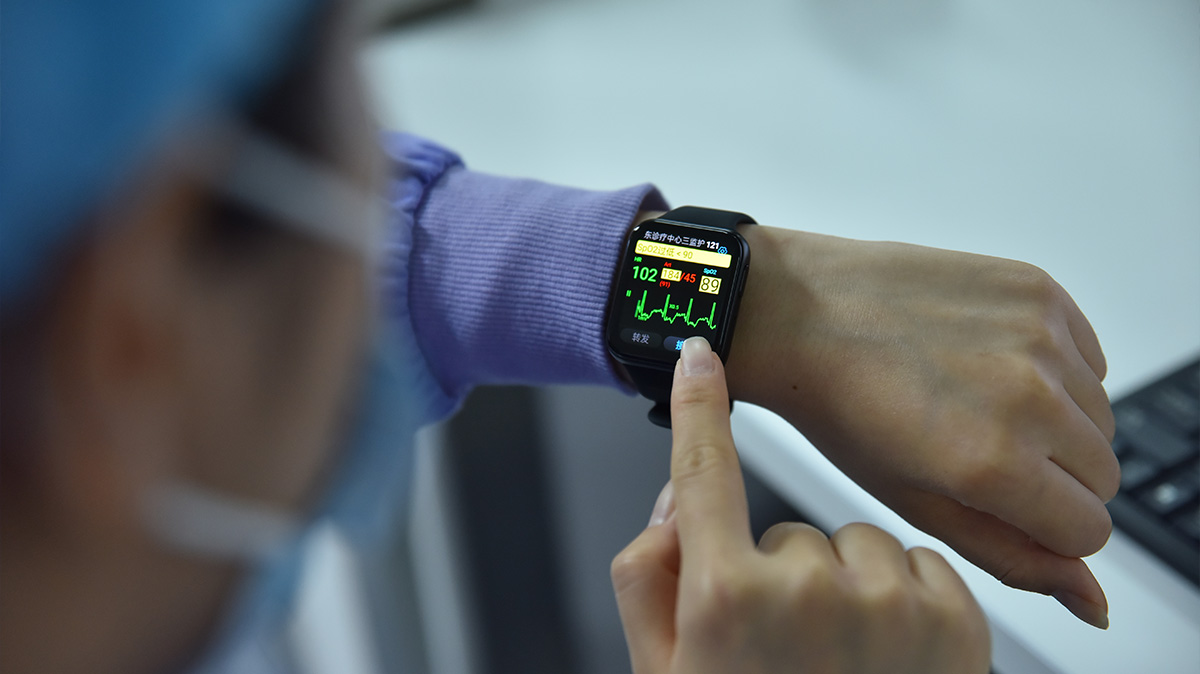

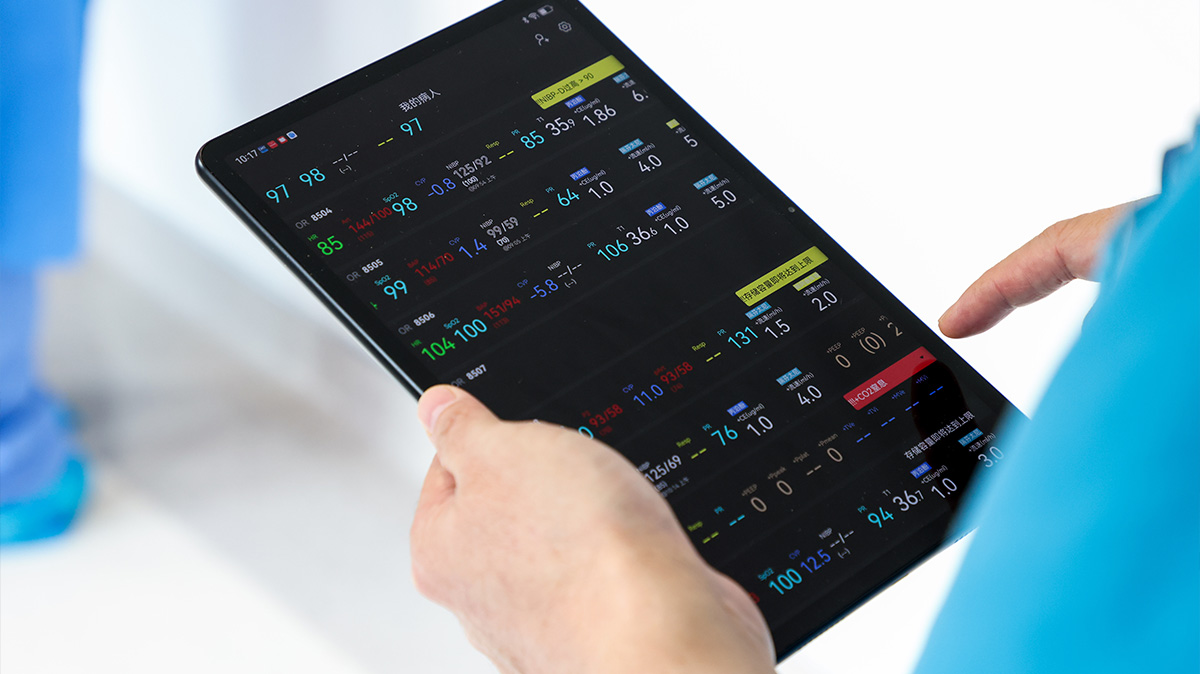
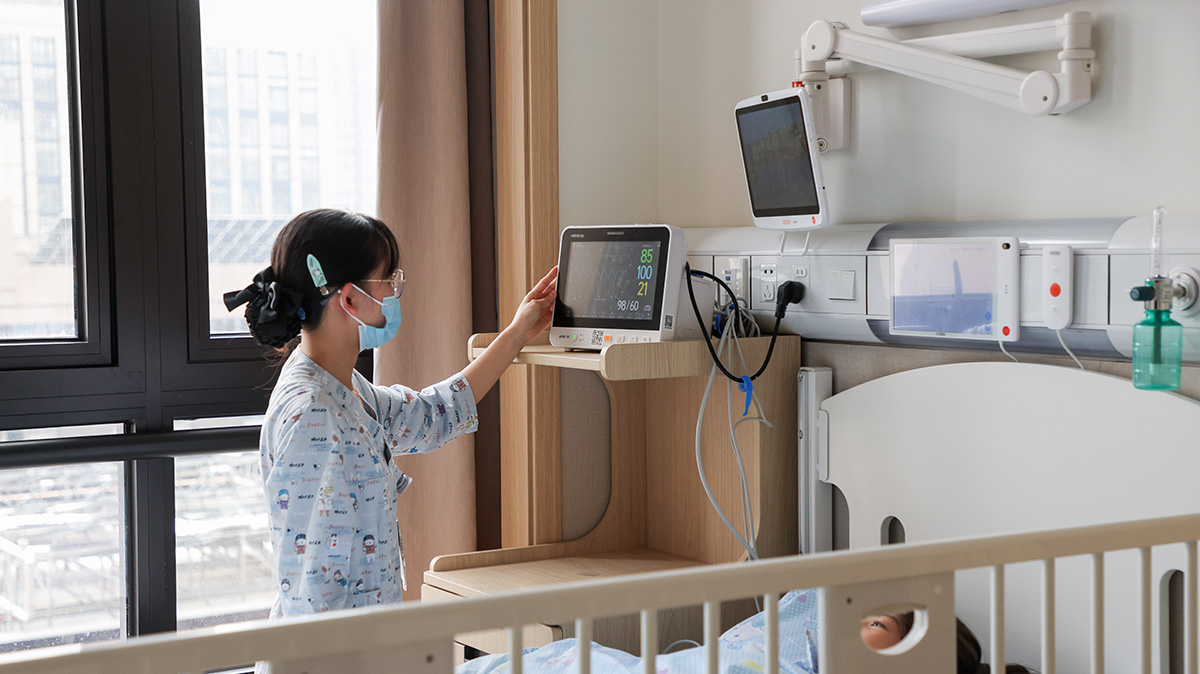
In Renji Hospital's ICU, Mindray's comprehensive portfolio—encompassing monitors, ventilators, infusion pumps, POC ultrasound, smart alarm watches, and medical supply units—enhances clinical workflows and patient care. Meanwhile, with Mindray's M-Connect IT solution, physicians can remotely monitor patient data and alarms from the bedside, nurse station, nursing pod, or office.
"Liver transplantation is not just a surgery, but a project that takes a complete team. " At Renji Hospital's Liver Surgery Clinical Treatment Center, 102 ICU beds and the digital operating rooms together form the Intelligent Surgical Suite, establishing a solid Intelli-Digital foundation for patient care.
"The ICU admits tens of thousands of critically ill patients each year, and emergencies can arise at any moment," said Gao Yuan, Director of the Intensive Care Unit.
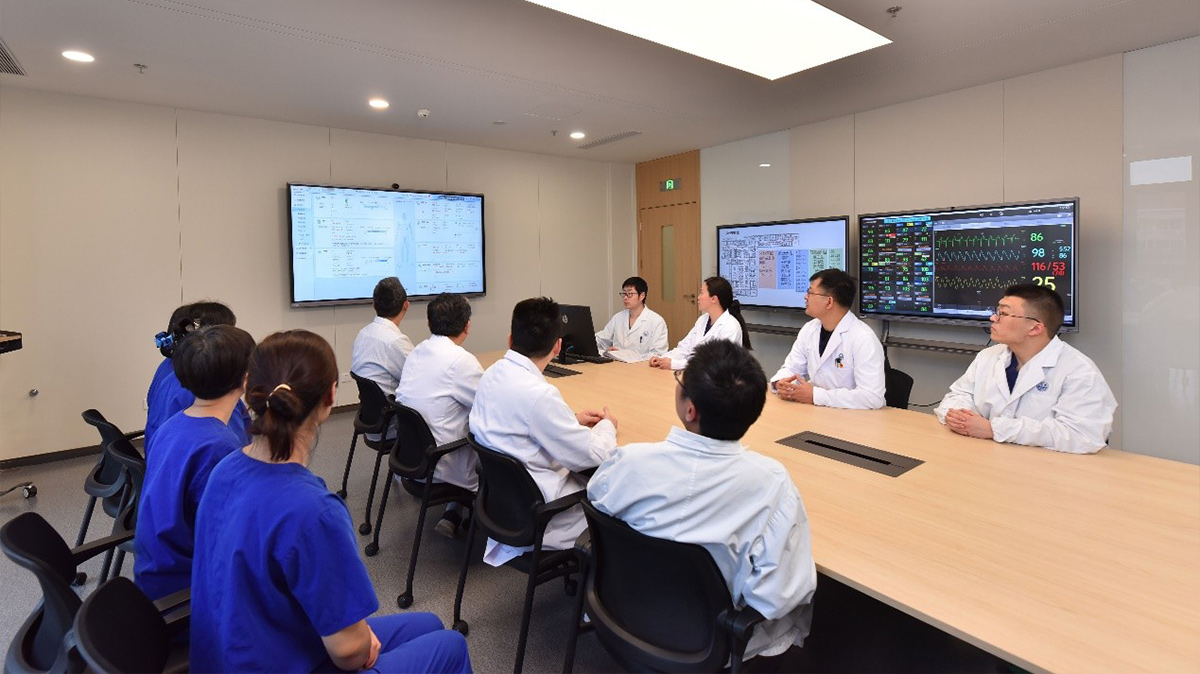
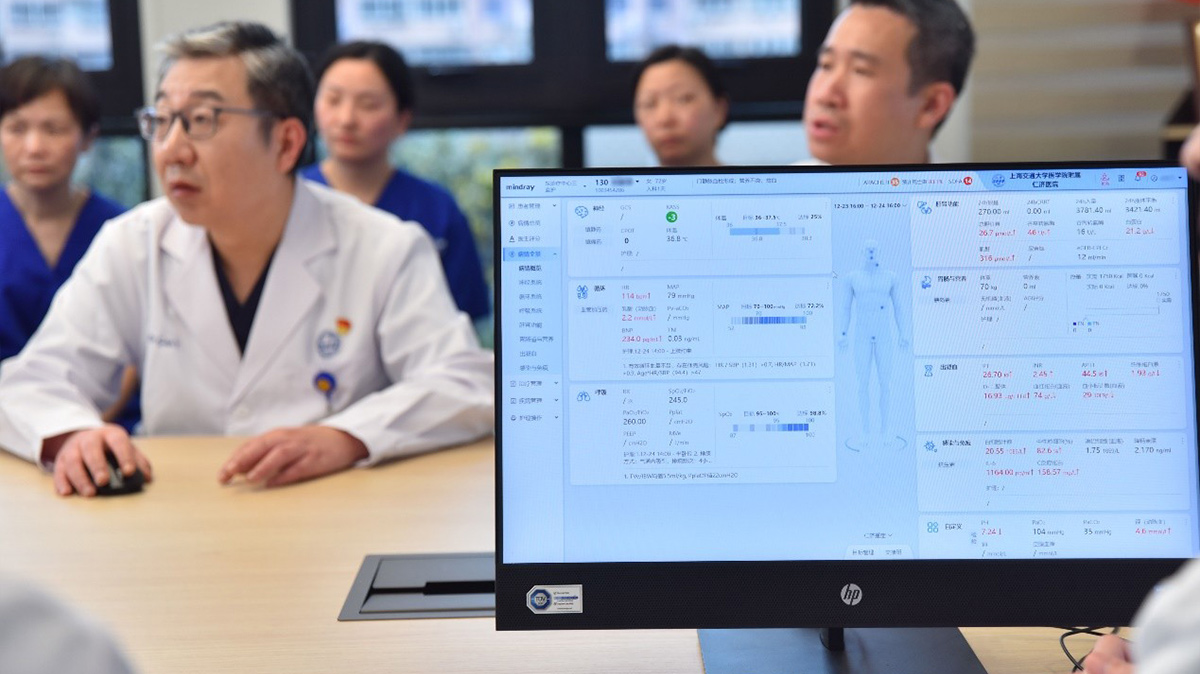
Since 2024, Mindray's Qiyuan Critical Care Model and M-Connect Critical Care Decision Support System have been progressively deployed in Renji Hospital's ICU, providing 24-hour continuous monitoring, personalized treatment recommendations in 5 seconds, and case documentation in 1 minute. These systems assist ICU physicians in their daily work while enabling smarter department management.
Gao Yuan
Director of the Intensive Care Unit, Renji Hospital affiliated to Shanghai Jiao Tong University School of Medicine
We were among the first to implement the Critical Care Decision Support System, which integrates treatment, resuscitation, nursing and data collection. This breaks down data silos and enables integrated visualization of multimodal data. Leveraging our accumulated clinical data, we've built an AI model that digitizes and automates ICU clinical workflows, empowering us to deliver quality care to every patient.
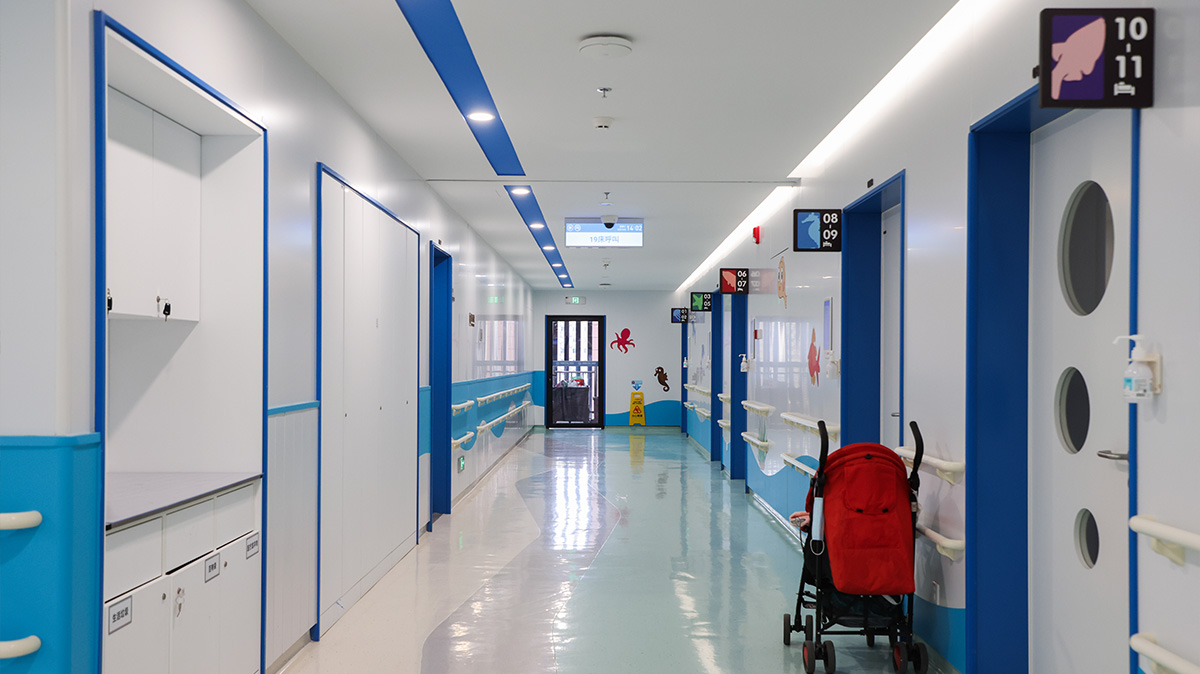
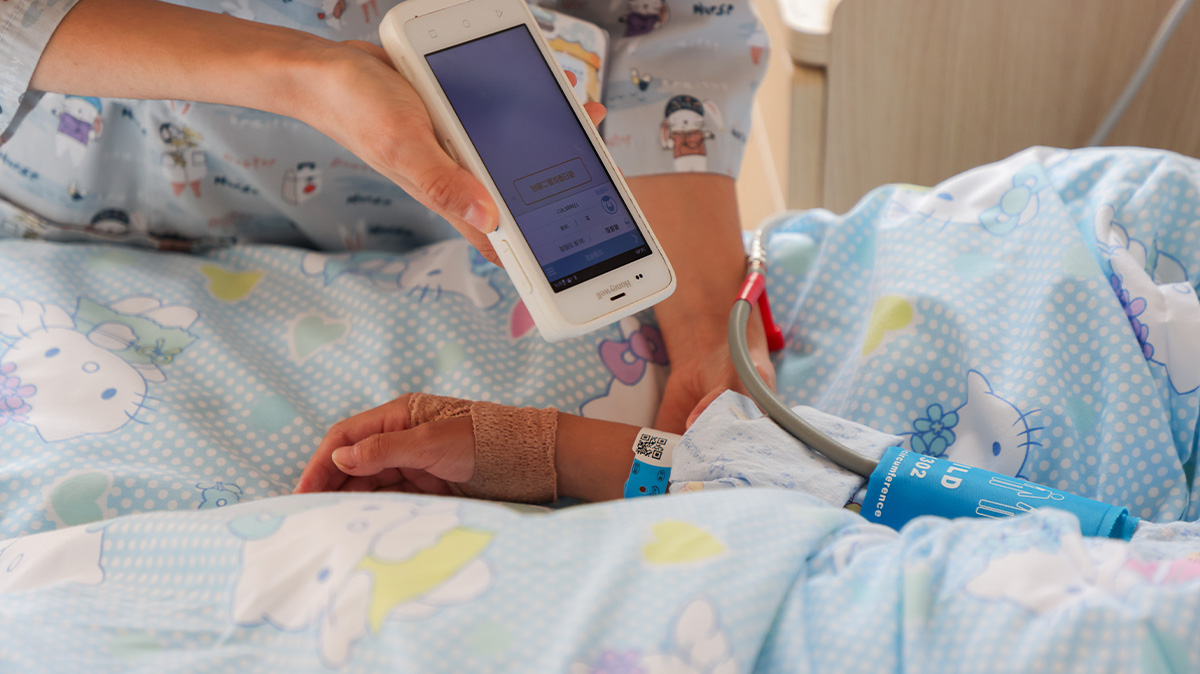
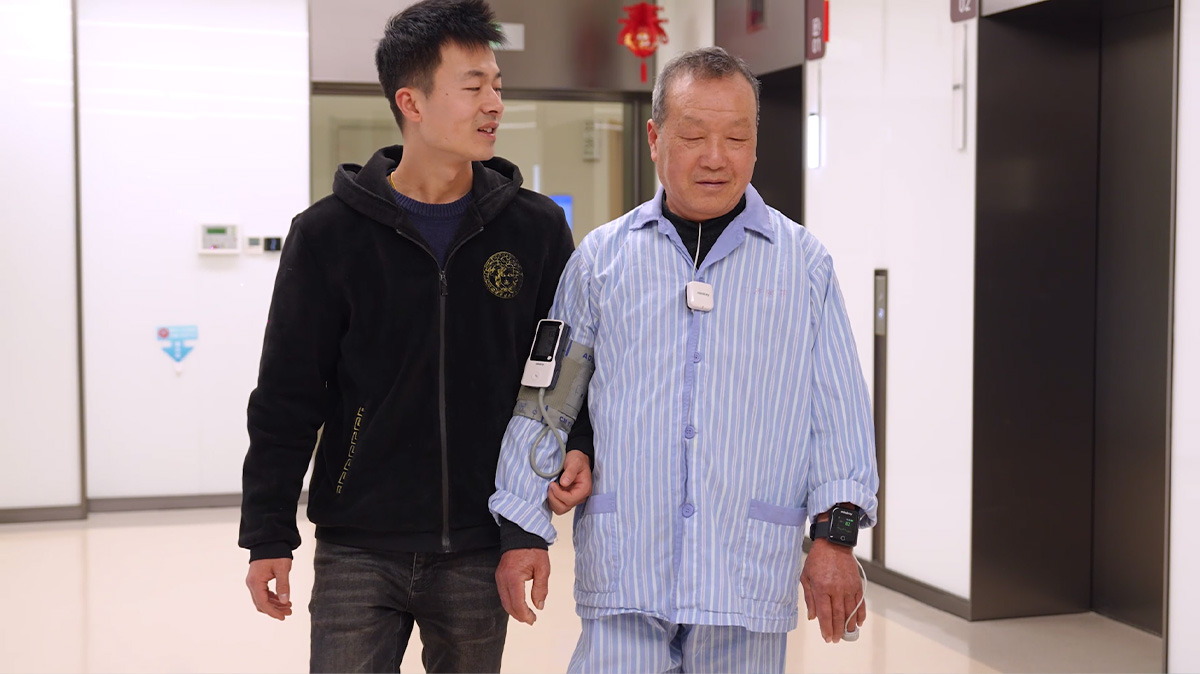
When ICU patients are ready to move to general wards, a simple PDA scan by nurses automatically uploads vital signs and syncs patient data—dramatically cutting down on documentation workload. Wearable monitoring devices provide comprehensive medical-grade health metrics that fully meet clinical needs, allowing patients to move around safely.
Hospital-enterprise collaboration opens a new chapter in intelligent healthcare
Driven by the rapid iteration of AI, 5G, IoT, and other innovative technologies, Renji Hospital continues to push boundaries in intelligent hospital innovation. Its Internet Hospital 5.0—a metaverse-enabled platform—is currently being implemented across various application scenarios.
Renji Hospital's metaverse development is grounded in a virtual digital hospital and supported by a digital metaverse infrastructure platform. By partnering with third-party enterprises, the hospital has created an intelligent healthcare ecosystem encompassing three core metaverse applications: the "AI-assisted Healthcare Metaverse" centered on the Intelligent Surgical Suite and ICU, the "Intelligent Service Metaverse" powered by Internet Hospital+, and the "Management Metaverse" driven by intelligent management systems.
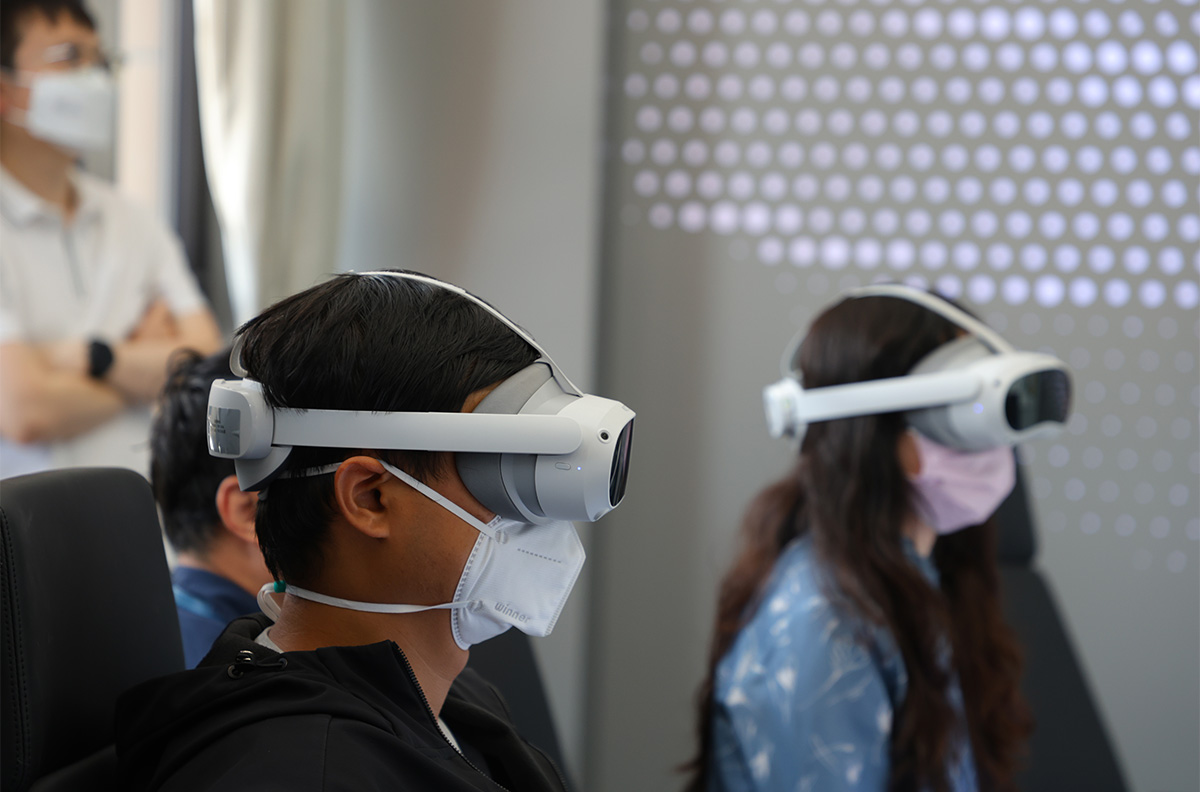
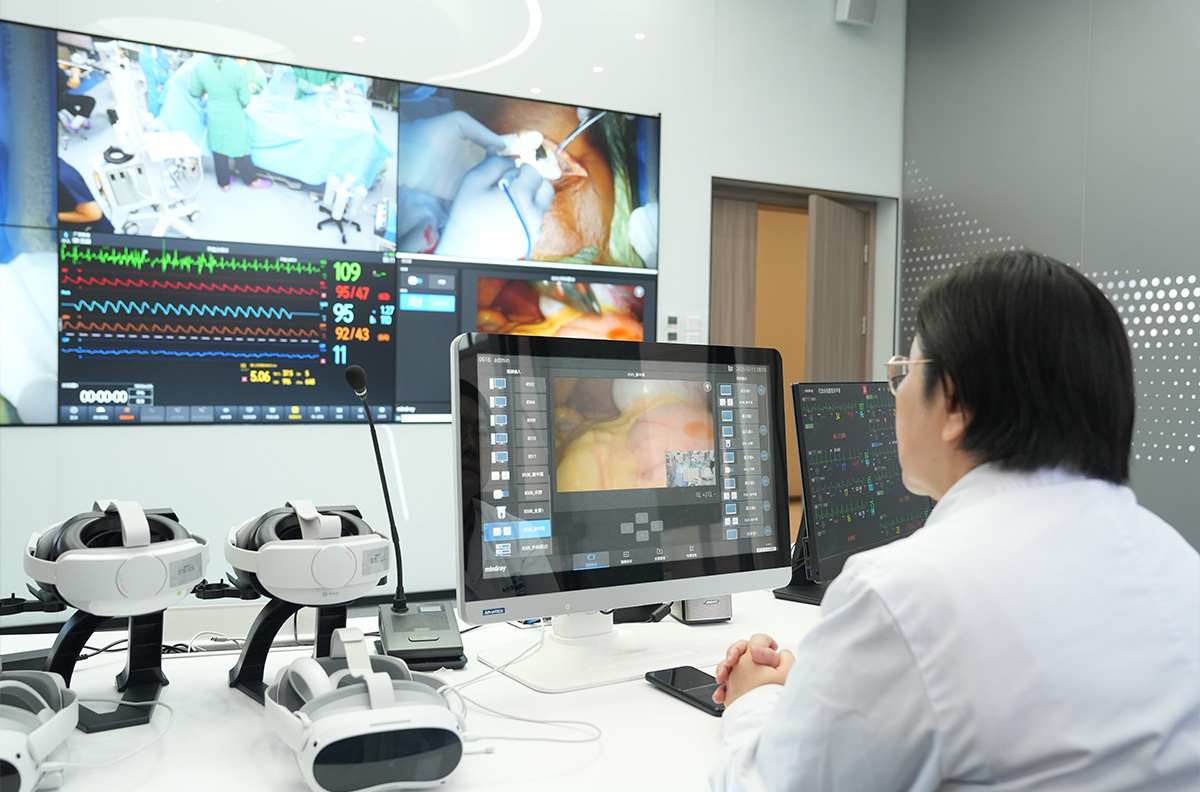
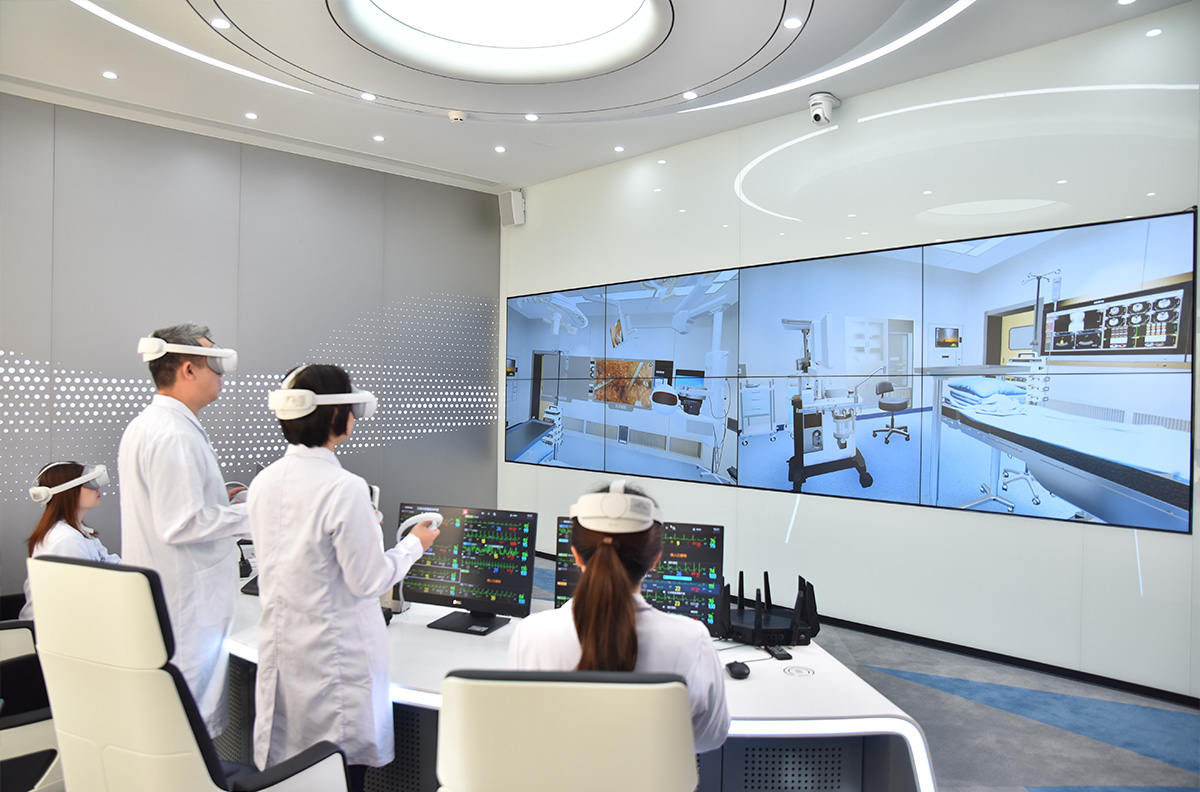
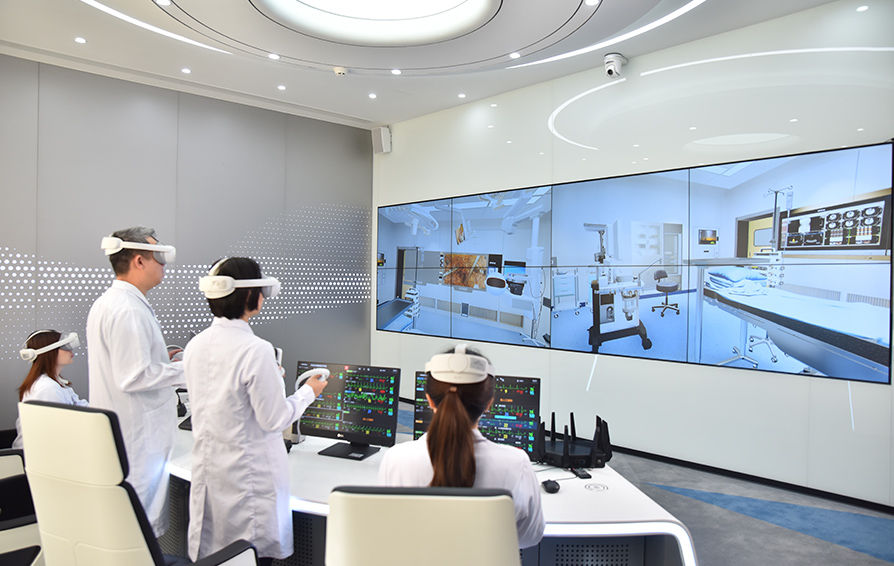
Mindray's M-Connect ICU Solution, M-IoT Device Management Solution, and Digital Surgery Solution power three key platforms for Renji Hospital's metaverse ecosystem: "Real-time Consultation," "Intelligent Device Connectivity," and "Digital Intelligent Control." As a result, the Intelligent Hospital Command Center can deliver remote surgical guidance, real-time vital sign monitoring for emergency, anesthesia, and critical care patients, and virtual tours of conference rooms, ORs, and ICUs.
Gao Yuan
Director of the Intensive Care Unit, Renji Hospital affiliated to Shanghai Jiao Tong University School of Medicine
The Intensive Care Unit is positioned to explore the "AI-assisted Healthcare and Clinical Teaching Metaverse" to showcase its clinical capabilities globally and establish itself as a leading hub for intelligent healthcare applications.
From day one, Mindray has provided Renji Hospital's Liver Surgery Clinical Center with a comprehensive Intelli-Digital solution that transforms ORs, ICUs, anesthesia units, general wards, and command centers into a unified intelligent ecosystem. Going forward, Mindray will continue empowering more hospitals with its Intelli-Digital solutions and advancing quality healthcare.