As the TLA becomes a lab standard, is the full potential of testing truly unlocked? As efficiency approaches its limit, is a win-win scenario for quality and cost still achievable? A real-world case has provided a definitive answer.
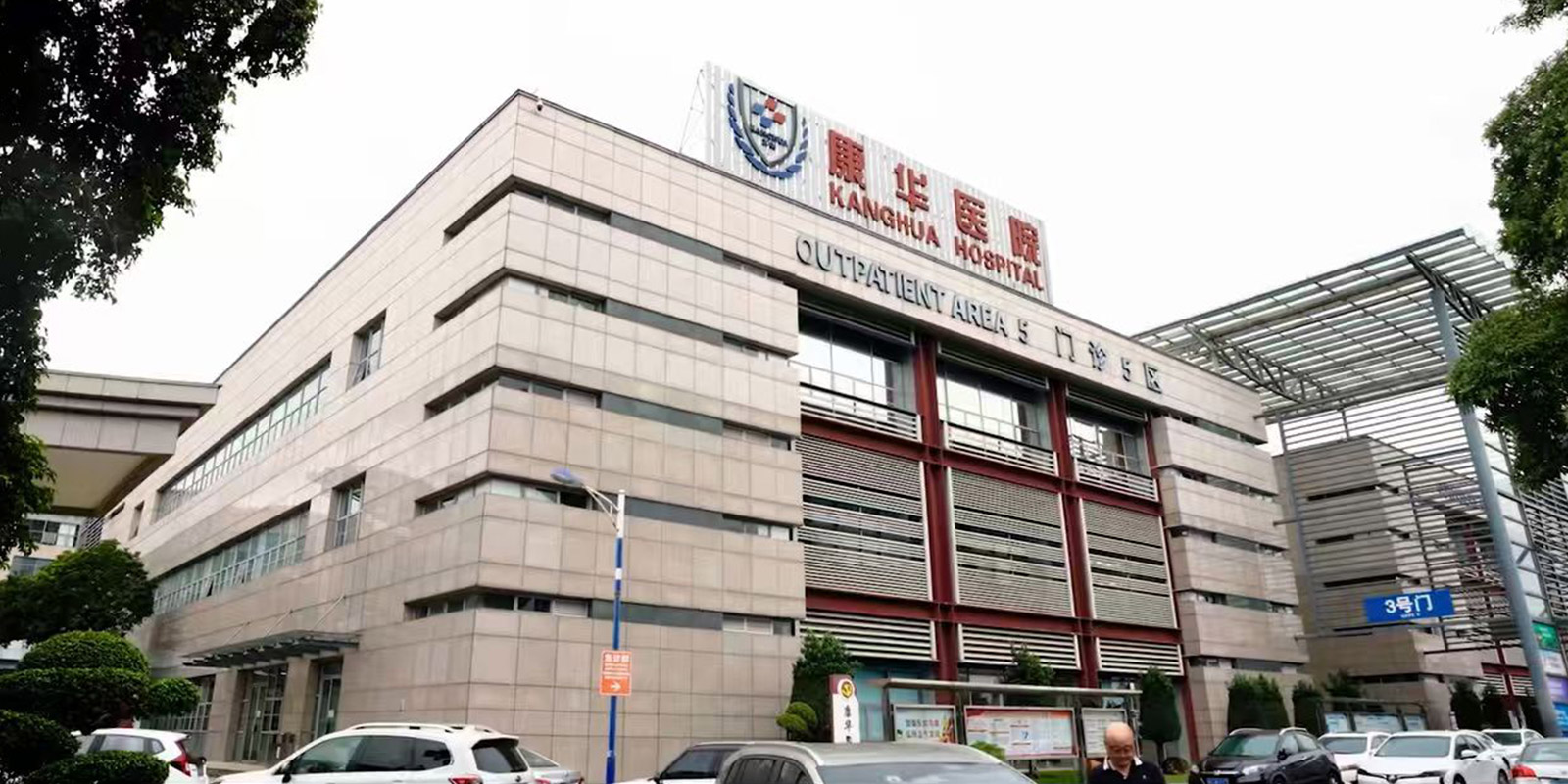
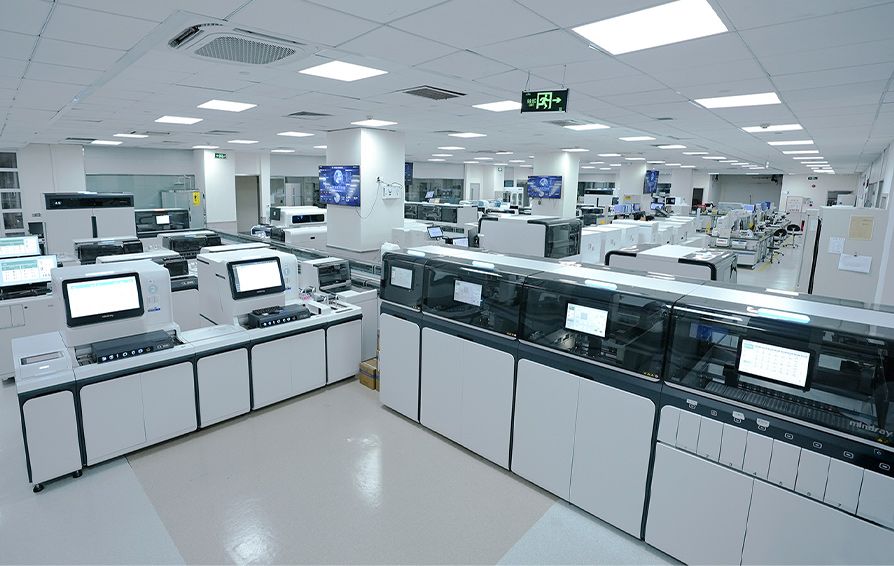
Stepping into the Intelli-Digital laboratory at Dongguan Kanghua Hospital (DKH), which integrates multidisciplinary testing including hematology, biochemistry, immunology, coagulation, HbA1c, and special proteins, you will find cumbersome manual operations have become a relic of the past, yet the entire testing process remains under precise control.
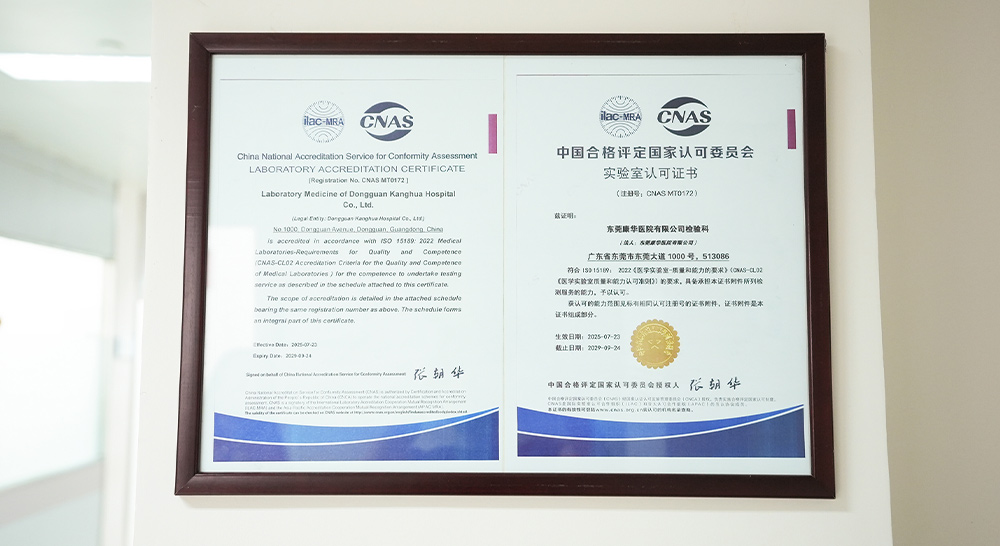
This seven-time ISO 15189 accredited lab tackles real clinical challenges through device collaboration and data fusion, delivering tangible patient value.
Quality assurance’s cornerstone
24/7 end-to-end visibility & control
The daily sample processing for Huang Guangri, Head of the Emergency Testing Group, has been cut from four steps (receipt, sorting, centrifugation, loading) to just two: receipt and bulk loading.
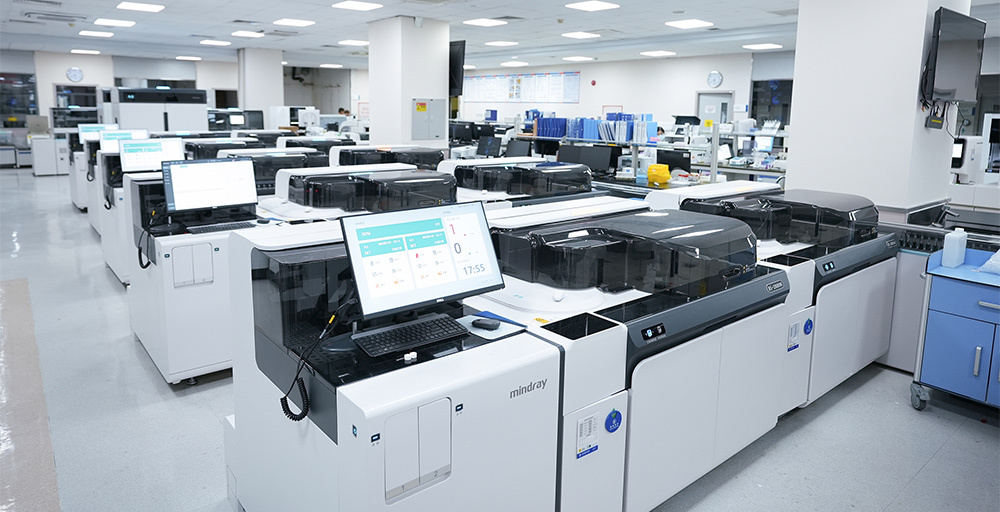
The streamlined process stems from merging three separate TLAs into a four-in-one Intelli-Digital integrated system. This new system eliminates an estimated 120,000 operational steps monthly at this advanced private hospital, which handles nearly 2,000 emergency samples daily.

The hospital handles nearly
2000
emergency samples daily

The new system reduces approximately
120,000
operational steps per month
Sui Hong
Review committee member of the China National Accreditation
Service for Conformity Assessment (CNAS ISO 15189)
Director of DKH Laboratory Medicine
We have implemented closed-loop management across all eight nodes of the entire process. Testing quality is a lab’s core priority, with stricter control over the entire streamlined process serving as the foundation of quality assurance.
As Liu Xiaoying, Deputy Director and Quality Manager of Laboratory Medicine at DKH noted, the core advantage of the new system is its 24/7 visual quality control, which spans the entire testing process—from intercepting anomalous samples and auto-diluting samples with abnormal curves to final automatic review—significantly reducing human error.
With a single bulk loading by the technician, samples are automatically sorted, tested, reviewed, and stored.

91% samples processed within
60 miniutes

Reports for all disciplines issued within
2 hours

Compliance rate for emergency turnaround time (TAT)
100%

New system has improved testing efficiency by
30%
Operational data for MT8000 at DKH from July to September in 2025
At 6 a.m., the TLA had already completed automatic quality control. Before 9 a.m., the first batch of clinical sample reports had been generated for resident physicians to review during morning handovers. With its core mission of “providing timely and accurate laboratory information for clinical use,” DKH Laboratory Medicine has achieved a clinical satisfaction rate of 95%.
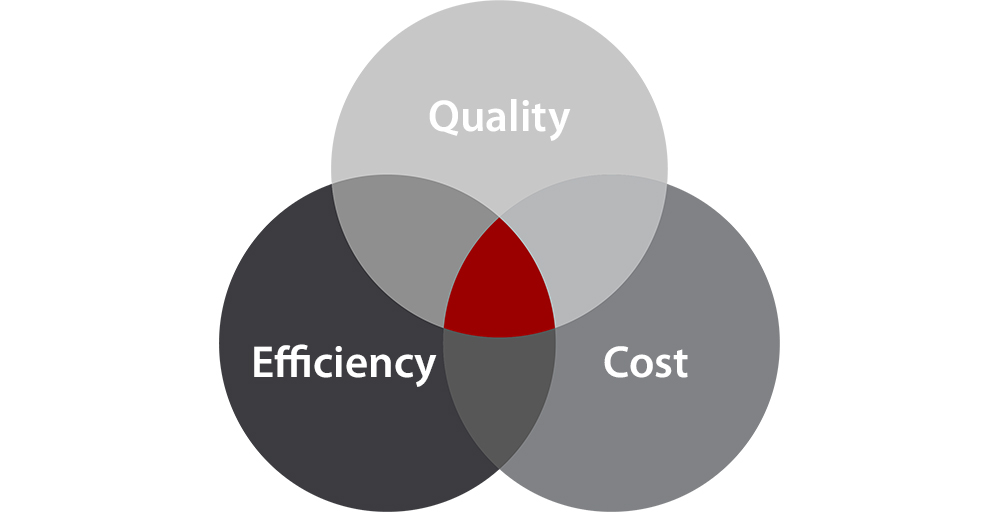
DKH’s practice regarding the “impossible triangle”
Integrated symbiosis
The testing practices at DKH successfully harmonize quality, efficiency, and cost.
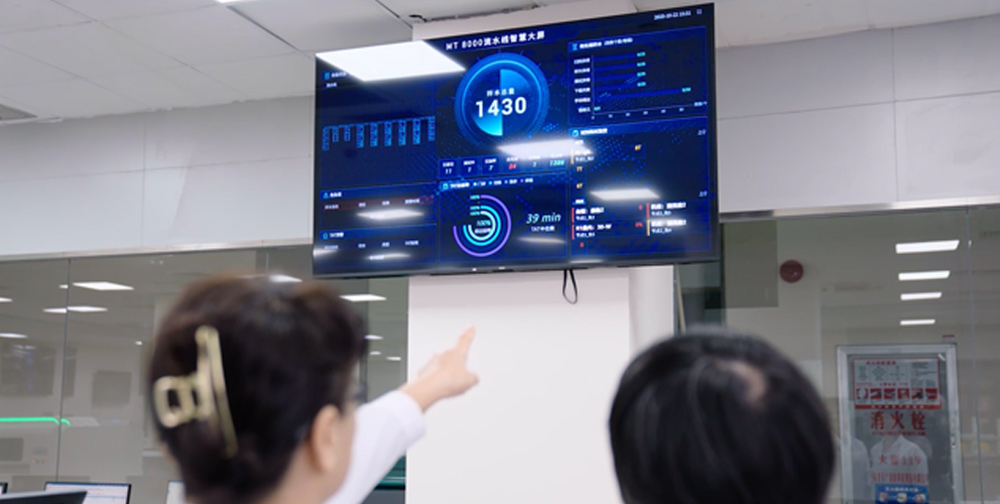
Historically, data and devices were trapped in disciplinary silos, hindering centralized analysis and insight application. Nowadays, the status of hematology, biochemistry, immunology, and coagulation can all be viewed on a single screen.
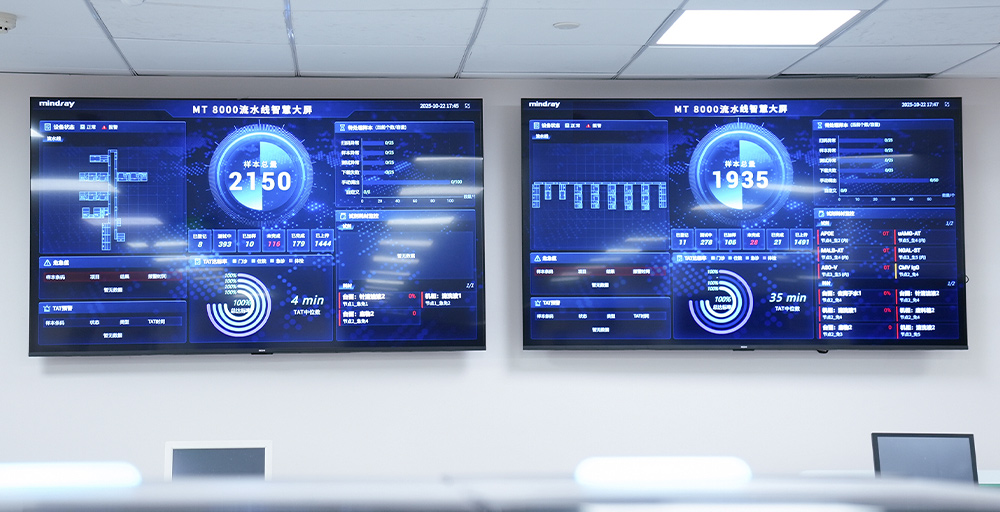
By analyzing reagent usage in real time, the Intelli-Digital system pinpoints areas of waste and re-testing needs to streamline processes. Functions such as reagent lifecycle management and online remote retesting for out-of-control issues not only improve efficiency but also save on quality control materials.
The seemingly impossible triangle of “quality, efficiency, and cost” is being dismantled by the constant presence of devices and data; in essence, it is an extension of human will.
This is reflected in real-time interception of abnormal samples and precise reagent management, directing manpower and resources to where clinical practices and patients truly need them. Consequently, the consumables cost ratio continues to drop, and lean practices take root.
Full-element integration liberates manpower for clinical empowerment
The 120,000 steps saved are split between devices and people. For devices, this means lower energy and reagent consumption. For people, freed capacity is channeled into big data work that fuses technology with human expertise, driving better clinical outcomes and research achievements.
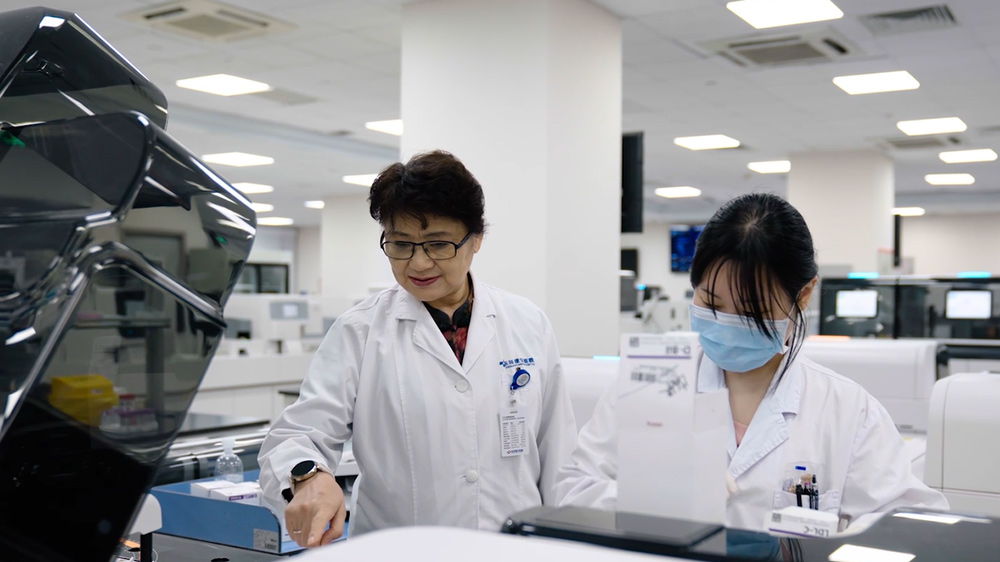
Director Sui Hong views man as the key integrator of all other elements (Personnel, Machine, Material, Method, Environment) under the ISO 15189 competency requirements.
In the past, laboratory physicians were often bogged down in repetitive procedures and found it difficult to participate in the entire collaborative process. The intelligent TLA not only upgrades hardware but also allows technicians to focus on difficult diagnosis, lean management, clinical communication, and innovative research. This shift is driving the deep integration of all laboratory elements and accelerating capability advancement.
The fusion of device, data, and human expertise sparks innovation. By retrieving device parameters and sample turnaround time (TAT) in real time, technicians can optimize emergency sample triage strategies, and many have mastered the management capabilities of “digital intelligence + all-element collaboration.”
Freed from manual tasks, they are more able to leverage three years of biochemical big data for research, resulting in a steady stream of papers and research findings.
Testing ultimately serves to advance clinical care and improve disease management. DKH Laboratory Medicine established a clinical communication team that has identified close to a thousand improvement opportunities through its sample traceability system and regularly participates in multidisciplinary team (MDT) consultations.
The biochemistry team assisted the endocrinology department in solving three complex cases involving glycemic control, and a foreign patient with multiple myeloma also received precision diagnosis and treatment at DKH.
Cancer cases
400
Solid tumors
100
Acute and chronic leukemias
300
Outpatient visits and health check-ups identified
100 leukemia cases
Operational data for MT8000 at DKH from July to September in 2025
We are shifting our role from ‘testers’ to ‘participants in treatment’ and ‘supporters of clinical decisions’.
Zhou Ziquan
Vice President of Operations at Dongguan Kanghua Hospital
Beyond supporting clinical decisions, Laboratory Medicine also acts as a data engine fueling hospital excellence. By upgrading technology and re-engineering processes, it enhances testing efficiency and accuracy — ultimately benefiting patients and communities, Laboratory Medicine’s irreplaceable role in early disease screening, disease progression monitoring, and efficacy evaluation, adding that DKH will strengthen capabilities in precision testing and long-term follow-up to build a full-life-cycle healthcare system.