Germans Trias : Transforming Critical Care with Connected ICU Technology
A Hospital at the Heart of Its Community
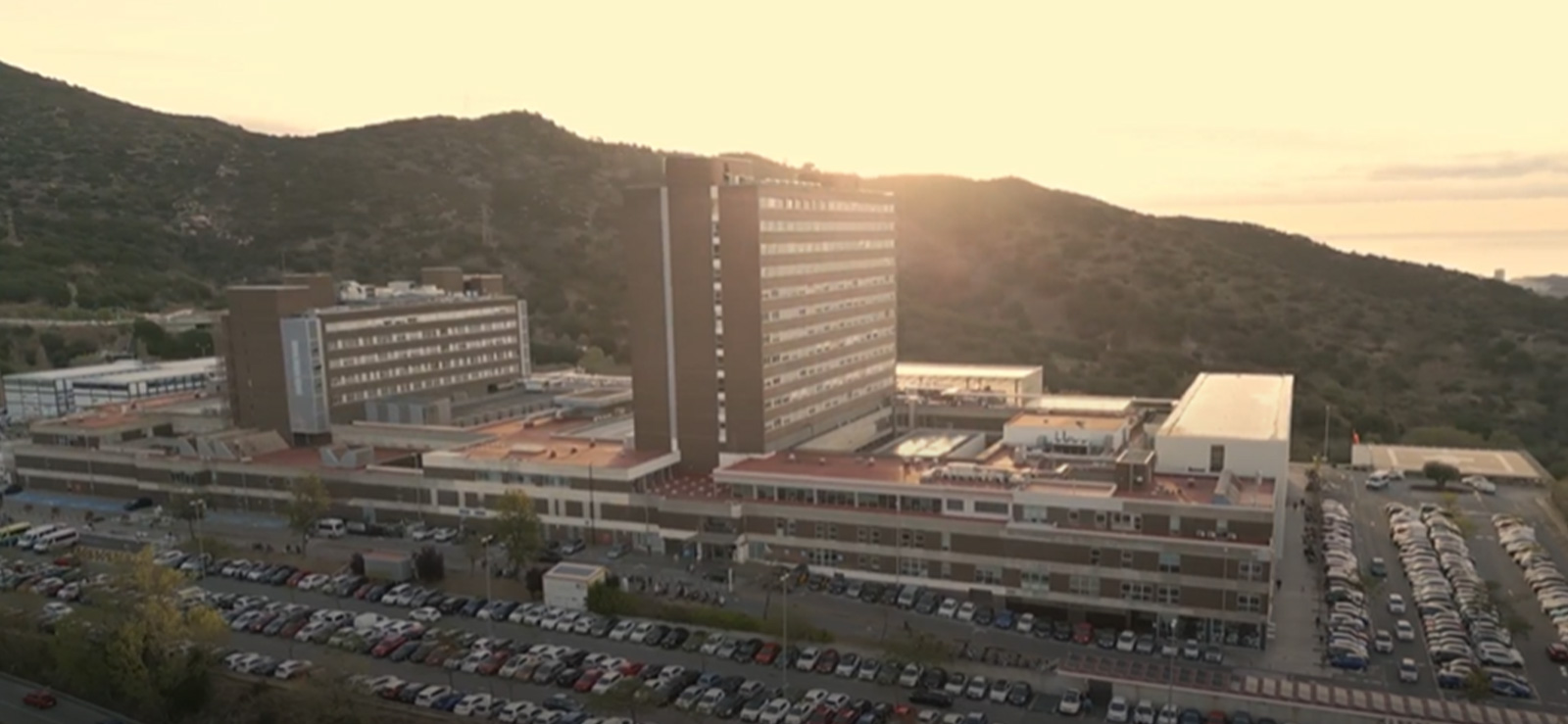
Germans Trias i Pujol Hospital is one of Catalonia’s most important public healthcare institutions. The hospital carries a significant clinical responsibility, serving more than 800,000 people in the Barcelonès Nord and Maresme regions and acting as a tertiary reference center for up to 1.5 million inhabitants for specific pathologies. With more than 4,000 professionals working across healthcare delivery, research, and education, Germans Trias has evolved into a powerful and dynamic healthcare campus.
The ICU has grown alongside the community it serves, evolving into a benchmark unit for critical patient care. This expansion reflects the hospital’s focus on high-quality, patient-centered care supported by modern technology.
Rising to the Challenge of Growing Demand
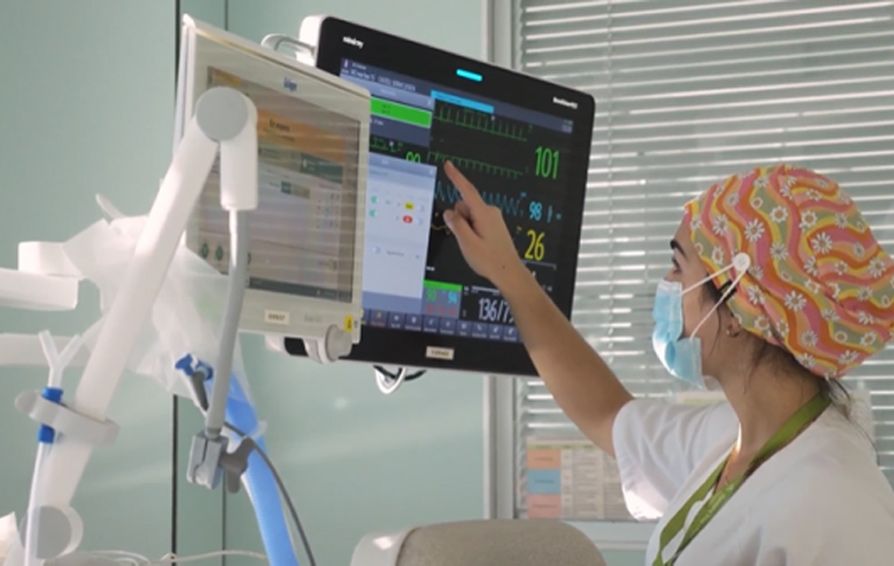
The ICU at Hospital Germans Trias has faced sustained pressure from increasing patient volumes and complexity of care. Shortages of critical care beds and high patient demand placed pressure on resources. Healthcare professionals were required to make fast, critical decisions while navigating fragmented patient information across multiple systems and devices. Nursing staff shortages added further challenges, stretching teams and leaving little margin for error in a demanding environment, where every second counts.
Pilar Ricart
Head of the Intensive Care Department
The Germans Trias hospital ICU has positioned itself as one of the benchmark ICUs in critical patient care. Its growth in recent years, basically due to the needs of our environment, of the territory, has meant that we now have an ICU with the characteristics we have today.
Pilar Ricart, Head of the Intensive Care Department: “The Germans Trias hospital ICU has positioned itself as one of the benchmark ICUs in critical patient care. Its growth in recent years, basically due to the needs of our environment, of the territory, has meant that we now have an ICU with the characteristics we have today.”
Modernization has transformed both workflows and the ICU environment. “Modernization in recent years, with cutting-edge technology and connectivity, has greatly facilitated the work of professionals. In addition, the environment, more modern and friendlier, has greatly humanized the ICU, which has been transferred to patients and families, making these patients and families feel more comfortable and surely translating this into better health outcomes,” Ricart adds.
The combination of increased capacity, modern technology, and a more welcoming environment has strengthened the ICU’s ability to provide high-quality care while supporting both staff and patients.
Connected Technology That Simplifies Care
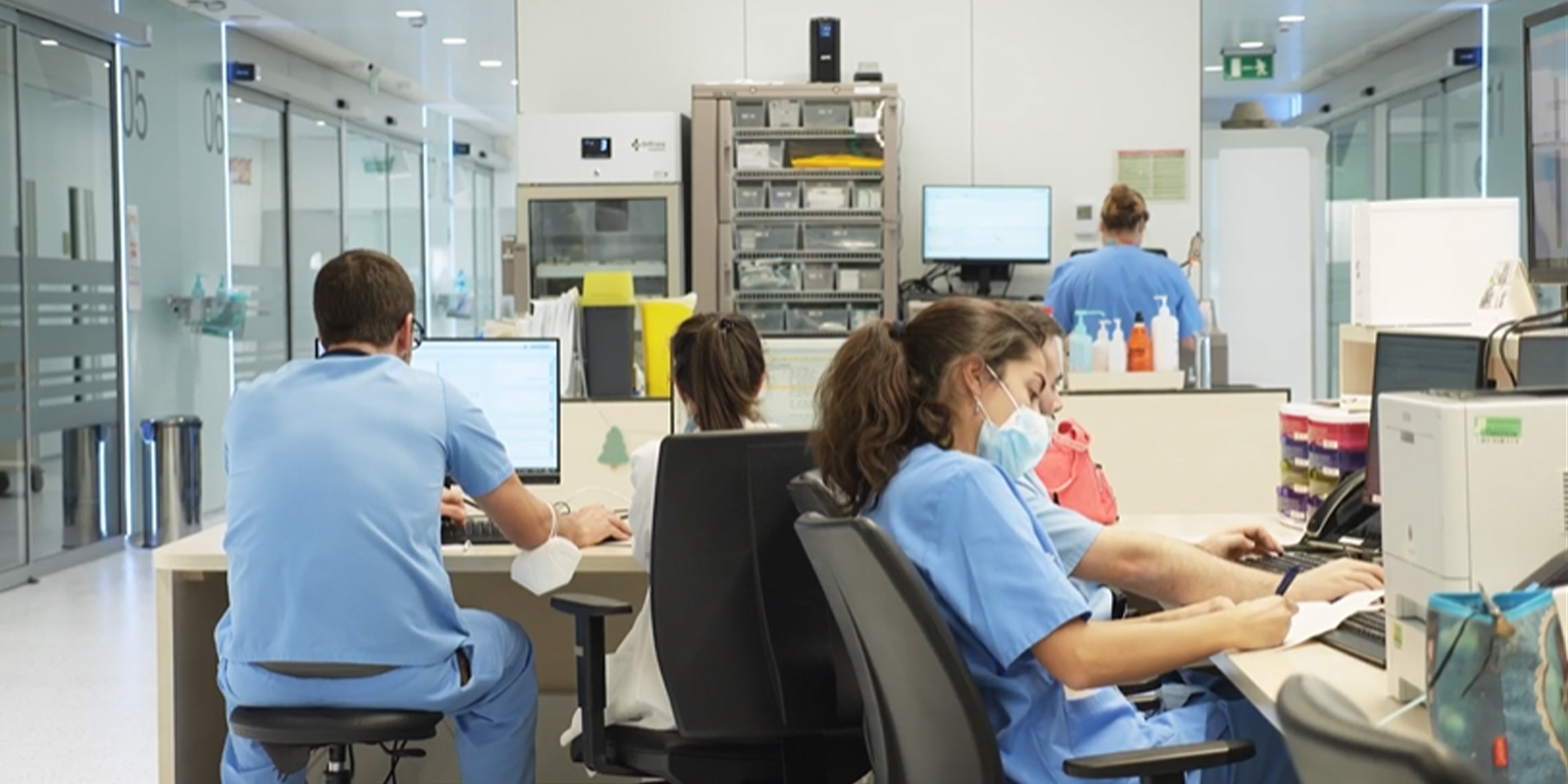
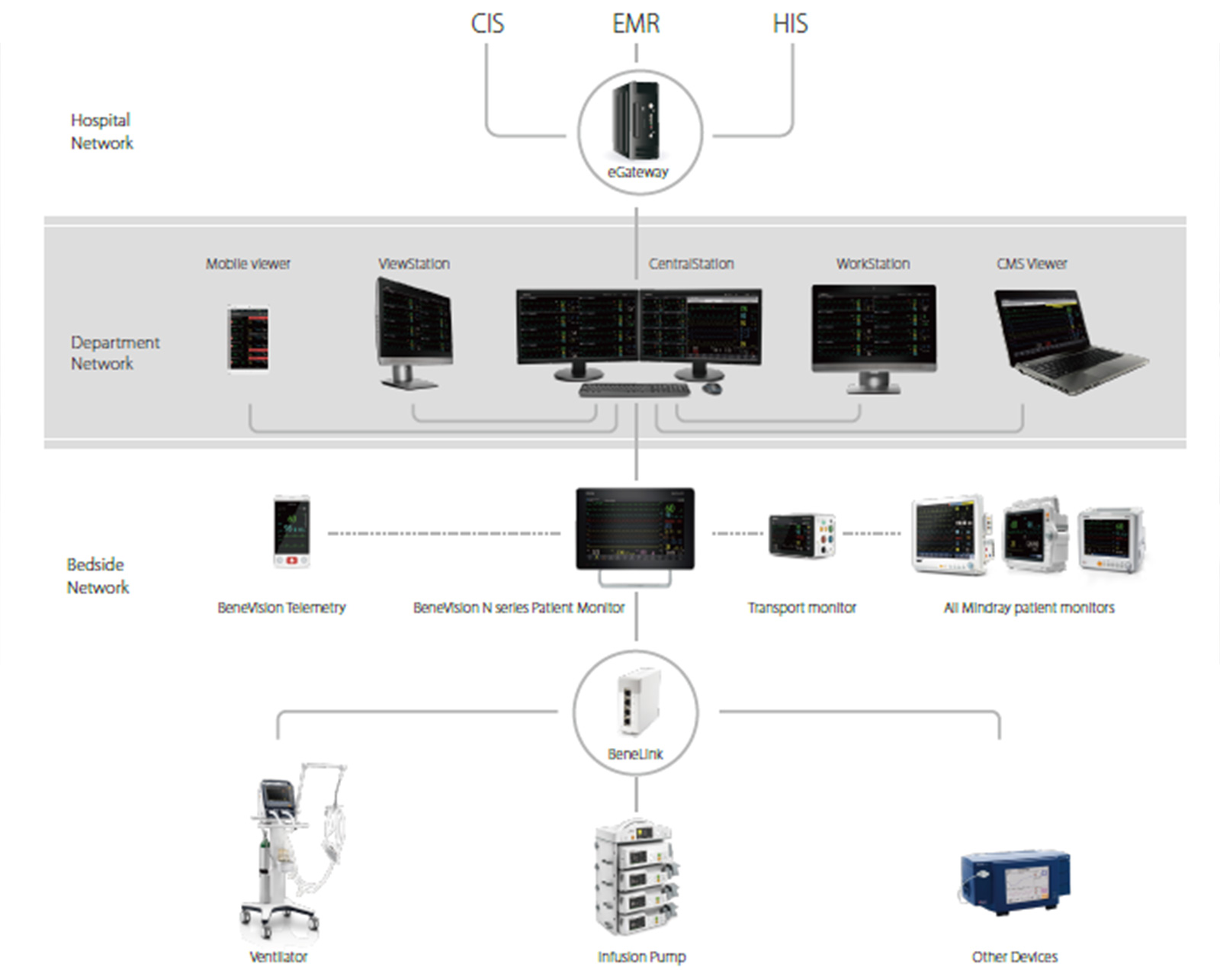
To meet the challenges of growing demands of critical care, Hospital Germans Trias partnered with Mindray to create a connected ecosystem in the ICU. The goal was to integrate medical devices and data into a unified system that supports clinical decision-making and streamlines workflows. The shared effort between Mindray and hospital teams ensured that technology became a natural part of clinical practice.
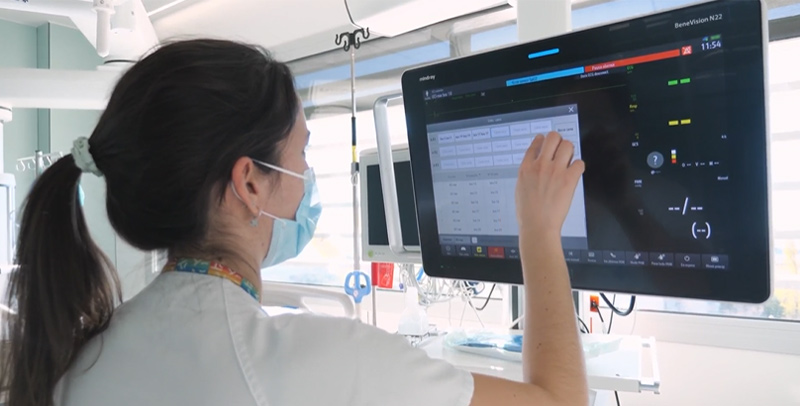
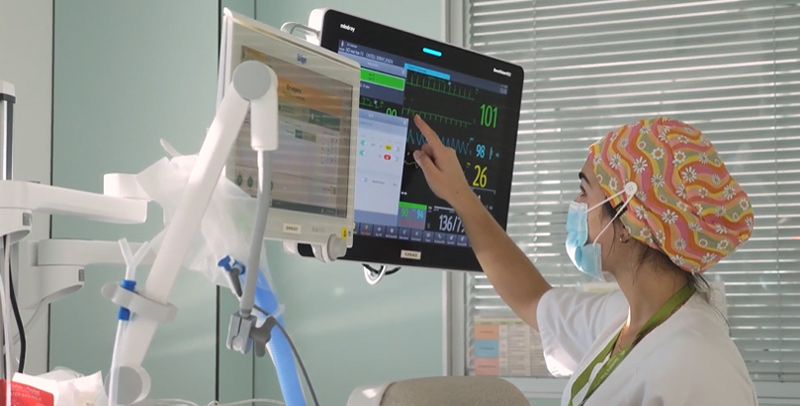
At the center of this transformation is a connected patient monitoring system designed to act as a clinical information hub. By bringing together data from multiple medical devices into a single coherent view, the system helps clinicians access the information they need quickly and clearly, supporting timely and informed clinical decisions.
Eduard Urbano, Head of Biomedical Engineering, explains: “In our intensive care unit we have implemented a medical technology that has been taken care of down to the last detail. The system not only collects data, but also communicates integrally with other medical devices and thus we have a network of connected equipment with a wealth of information to assist in clinical decision making. The fact that it is individualized makes nursing work much easier.”
He continues: “In our ICU technology is not only a tool, but working with Mindray has allowed us to find the link between patient care and constant innovation. In doing so, we are moving towards technology that is increasingly safer, smarter and more patient centered.”
Empowering Nurses, Enhancing Safety
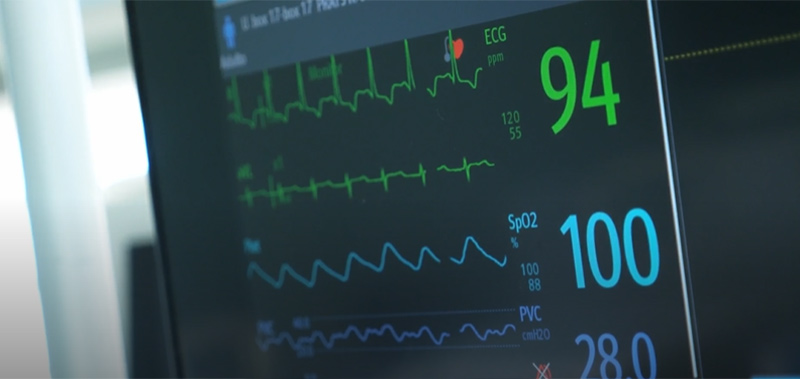
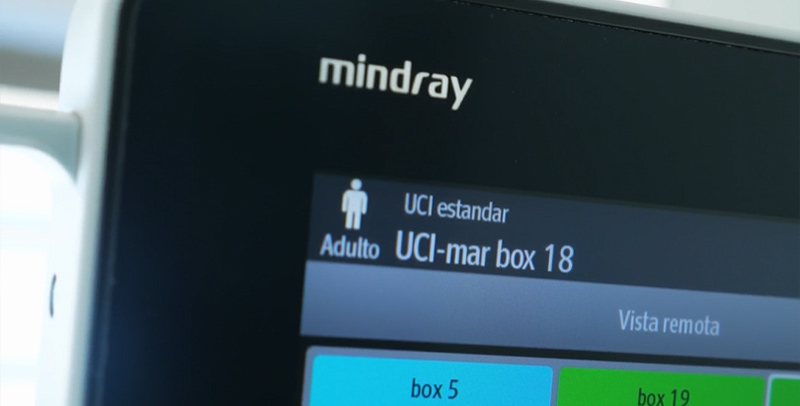
For ICU staff, connected monitoring has transformed daily practice. Consuelo Villanueva, ICU Nursing Supervisor, says: “The fact that it can be monitored and that it can detect any pathology, any alternation in the patient’s vital signs, allows you to monitor other patients in the unit, not just your own, but to have visualization. And this is an advantage for the nursing staff, and even more so when you have individual boxes that make the work 100% easier and provide security for the patient, not only for the nursing staff, but also for the patients, who also feel more secure in their care.”
The integration of connected monitoring allows clinicians to focus more fully on patients, reduces manual tasks, and provides a safer, more efficient environment for both staff and patients.
Humanizing the ICU Experience
Beyond efficiency and safety, the modernization of the ICU has had a profound impact on the patient and family experience. Clear data visualization contributed to a more humane and supportive ICU. Patients feel safer and more comfortable, and families are reassured by clearer visibility into care processes.
Pilar Ricart emphasizes: “Modernization in recent years, with cutting-edge technology and connectivity, has greatly facilitated the work of professionals. In addition, the environment, more modern and friendlier, has greatly humanized the ICU, which has been transferred to patients and families, making these patients and families feel more comfortable and surely translating this into better health outcomes.”
Technology here supports people, rather than replacing them, allowing clinicians to focus on care while patients and families experience a more human-centered environment.
Looking Ahead: Smarter, Safer, Patient-Centered Care
With advanced technology and modernized facilities the ICU at Germans Trias is positioned for the future. The integration of Mindray’s systems allows the ICU to operate efficiently while maintaining a patient-centered approach, ensuring that care is safe and effective.
Eduard Urbano sums it up: “In our ICU technology is not only a tool, but working with Mindray has allowed us to find the link between patient care and constant innovation. In doing so, we are moving towards technology that is increasingly safer, smarter and more patient centered.”
The hospital’s ICU demonstrates that modern healthcare is not just about technology - it’s about creating systems that enhance care, support staff, and improve the patient experience. By combining innovation with a human-centered approach, Hospital Germans Trias is setting a new standard for critical care.