Guardian of Every Heartbeat:
Anzhen Hospital's Intelligent Model in Cardiac Care
Summary:
An Intelli-Digital transformation in patient monitoring is taking place at Anzhen Hospital. By deploying the M-Connect IT solution and mWear wearable patient monitors, the hospital ensures comprehensive patient safety, accelerates patient recovery and frees up hospital capacity.
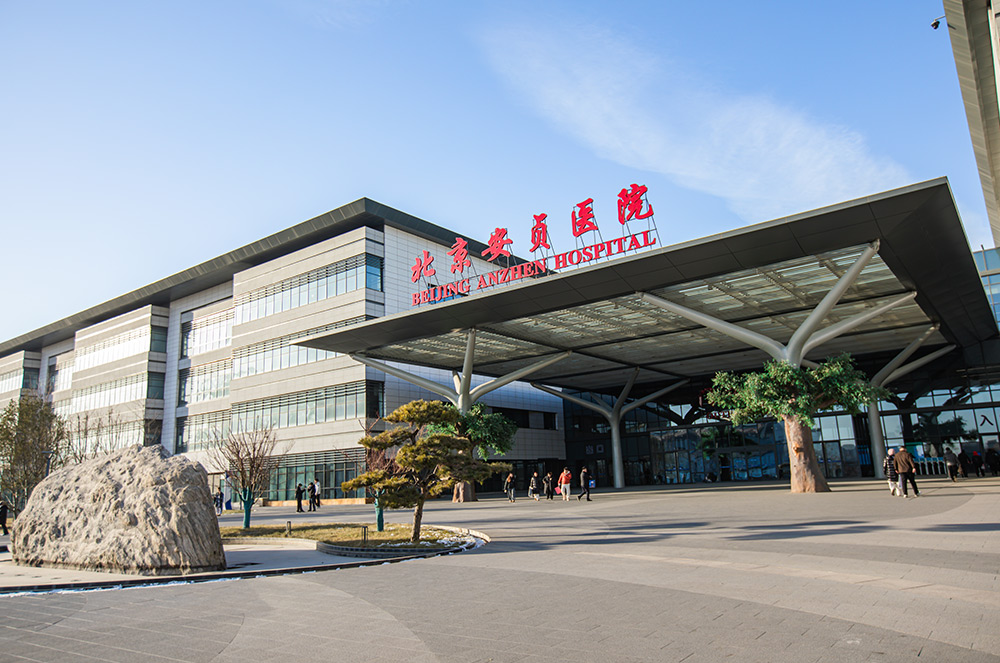
Stepping into the lobby of Beijing Anzhen Hospital's Tongzhou Campus (hereafter "Anzhen Hospital"), you are bathed in sunlight pouring through the glass atrium. You can see the cheerful mascots Dr. An and Baby Zhen at every turn, which instantly put patients at ease and create an emotional bridge with medical staff. It is remarkable that such a warm and welcoming place performs the highest volume of cardiac procedures and surgeries at a single center in China (since 2021)[1], while tackling challenges like cardiogenic shock treatment.
As one of China's largest coronary surgery centers, Anzhen Hospital's Coronary Artery Disease Surgery Center performs over 3,000 surgeries annually while maintaining an exceptionally low surgical mortality rate below 1%[2]. Behind these remarkable figures lies a trinity of excellence: surgical precision, patient-centered care and strategic vision.

Surgical Precision
Creating Miracles of Life
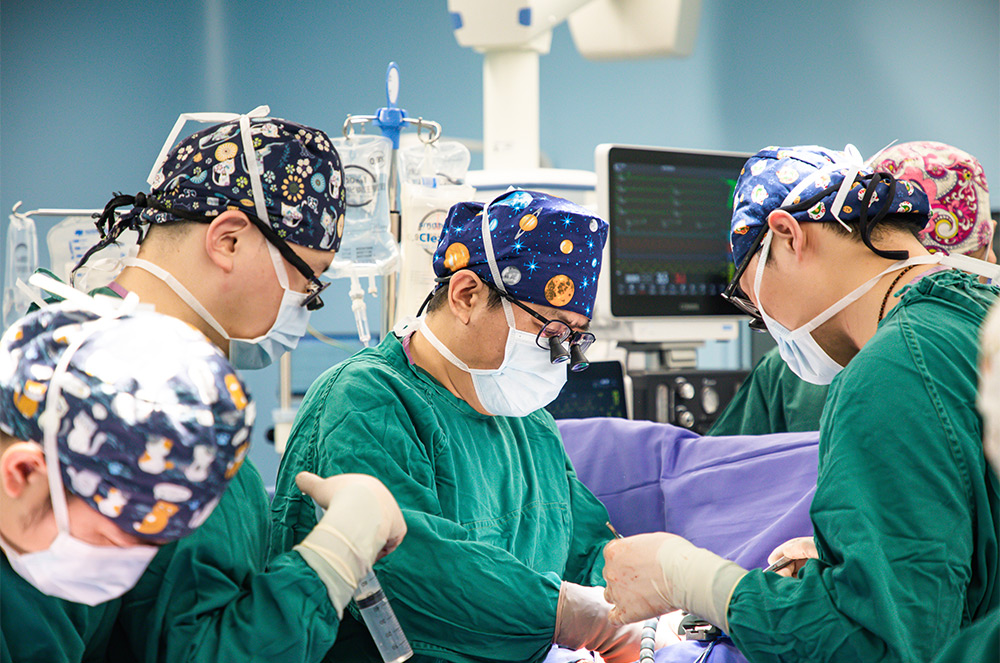
Cardiogenic shock—an extreme critical condition caused by heart failure—poses a formidable challenge even for experienced cardiac surgeons. Anzhen Hospital developed the "Anzhen Model" through multidisciplinary collaboration, coordinating emergency medicine, cardiology, catheterization labs, anesthesiology, and critical care. This approach has slashed surgical mortality for acute myocardial infarction from 50% to around 15%[3], offering new hope to cardiogenic shock patients.
Liu Yuyong
Director of Coronary Artery Disease Surgery Center (Ward
3&4)
Beijing Anzhen Hospital, Capital Medical University
These patients once faced extremely high mortality without surgery. Built on hospital-wide collaboration, our Anzhen Model has cut that rate to around 40%.
Behind this surgical excellence lies a patient-centered monitoring system covering the entire treatment cycle. This system serves as the cornerstone of advanced cardiac surgery and the key to better patient outcomes.
Patient-centered Care
Reshaping the Monitoring Paradigm
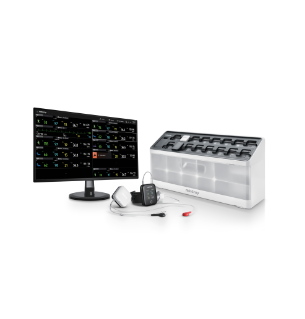
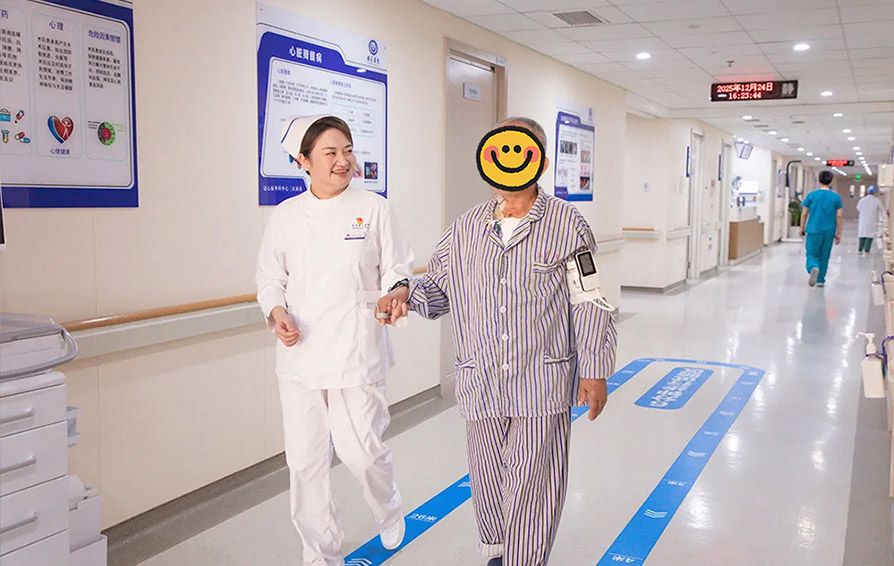
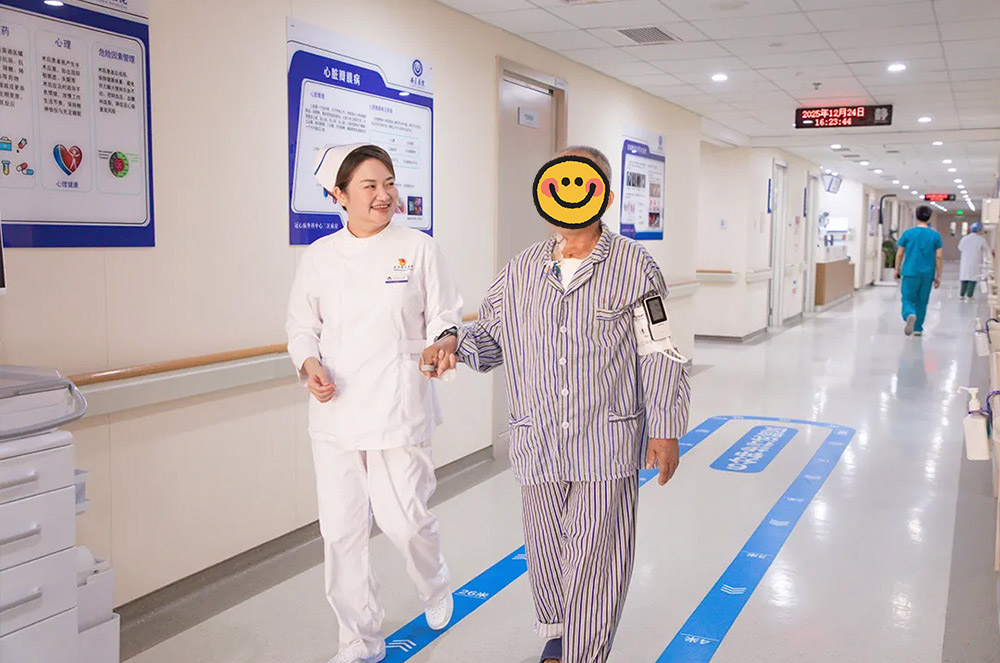
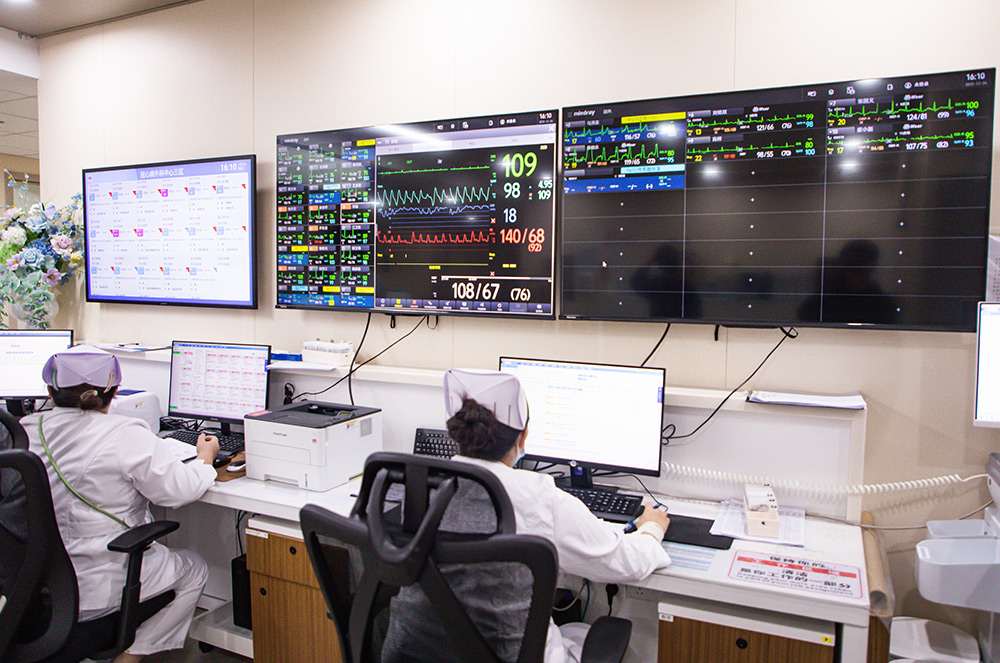
An Intelli-Digital transformation in patient monitoring is underway in Ward 3 of the Coronary Artery Disease Surgery Center. Moving away from the conventional cable-bound bedside monitors, Anzhen Hospital has implemented a seamless, wireless monitoring network through the M-Connect IT solution and mWear wearable patient monitor. This enables real-time vital sign monitoring and precise risk detection for enhanced patient safety.
Chen Xiumei
Head Nurse of Coronary Artery Disease Surgery Center (Ward 3)
Beijing Anzhen Hospital, Capital Medical University
One patient left a deep impression on me. He had epilepsy and suddenly had a seizure while walking in the ward. Our screen immediately showed his heart rate and blood pressure spiking. The nurses located him and rushed over instantly, preventing him from falling or biting his tongue.
Meanwhile, the wireless patient monitor addresses the medical-grade mobile monitoring needs that traditional bedside monitors cannot meet. While ensuring safety, it supports status assessments like the 6-minute walk test to accelerate patients' recovery and reduce their hospital stays.
Liu Yuyong
Director of Coronary Artery Disease Surgery Center (Ward
3&4)
Beijing Anzhen Hospital, Capital Medical
University
These ECG readings, pulse waveforms, and blood pressure data captured during patient activity provide invaluable guidance for medication management and discharge planning.
Chen Xiumei
Head Nurse of Coronary Artery Disease Surgery Center (Ward
3)
Beijing Anzhen Hospital, Capital Medical University
Average patient stay has decreased from around 16 days to 14 days, a significant improvement that has accelerated bed turnover by nearly 20%.
The transformed ward is free of the frantic bustle and incessant alarms. Instead, it remains orderly and quiet even at full capacity.
Standing at the central monitoring screen, doctors and nurses can see the real-time vital signs and status of all patients at different treatment stages across the entire ward, with every heartbeat under control. Much more than simply an equipment upgrade or workflow redesign, this represents a transformative leap in healthcare quality.
Strategic Vision
Embracing the Future with High-Quality Big Data
Discharge is only the first step. Scientific long-term management is the key to better surgical outcomes and improved quality of life. Therefore, post-cardiac surgery patients require more care, monitoring, and guidance throughout their rehabilitation and long-term follow-up.
Liu Yuyong
Director of Coronary Artery Disease Surgery Center (Ward
3&4)
Beijing Anzhen Hospital, Capital Medical University
Two future directions are emerging. Post-operative patients can go home with wearable devices. Patients with underlying conditions can receive these devices through their communities.
The goal is to create an integrated healthcare network where hospitals, communities, and patients work together toward faster recovery. Extending life and enhancing its quality – that's the true meaning of lifelong care.
Take falls as an example — a leading cause of accidental injury worldwide that poses a constant threat to patient safety. At Anzhen Hospital, patients at high risk for falls are identified with visual markers and wear patient monitors to prompt nursing attention. But what happens when these patients — especially elderly people living alone — go home? Without timely intervention, a fall can cause irreversible harm.
Extending wearable monitors into patients' homes would build an integrated healthcare network connecting hospitals, communities, and patients, providing elderly people living alone with greater peace of mind.
More importantly, the continuously collected high-precision data will drive broader advances in medicine. This innovative monitoring model will help build a high-quality, disease-specific database spanning the full continuum of patient care, which will empower cardiovascular research. Anzhen Hospital aims to refine treatment approaches and techniques, and move medicine from experience to data, in order to deliver precision surgery, personalized care, and targeted health management. Ultimately, this will enable every patient with cardiovascular disease to receive safer and more fulfilling care at every stage of life.
Anzhen Hospital remains at the forefront of cardiac care, from pushing the boundaries of surgery to transforming patient monitoring, from improving survival rates to enhancing patients' quality of life. The exceptional Anzhen Model is delivering superior clinical care while pushing medicine into deeper and bolder frontiers.
References
[1] Introduction to Beijing Anzhen Hospital, Capital Medical University
[EB/OL].
https://www.anzhen.org.cn/Html/Hospitals/Main/Description.html
[2] Introduction to the Coronary Artery Disease Surgery Center of
Beijing Anzhen Hospital, Capital Medical University [EB/OL].
https://www.anzhen.org.cn/Html/Departments/Main/Detail_185.html
[3] IFENG.COM Health. Li Haiyang, "Master Surgeon of Cardiac Surgery":
Protecting Patients' Hope [EB/OL]. https://i.ifeng.com/c/8huJ0KZIica