
Hepatus 6
The Comprehensive Gastroenterology Suite
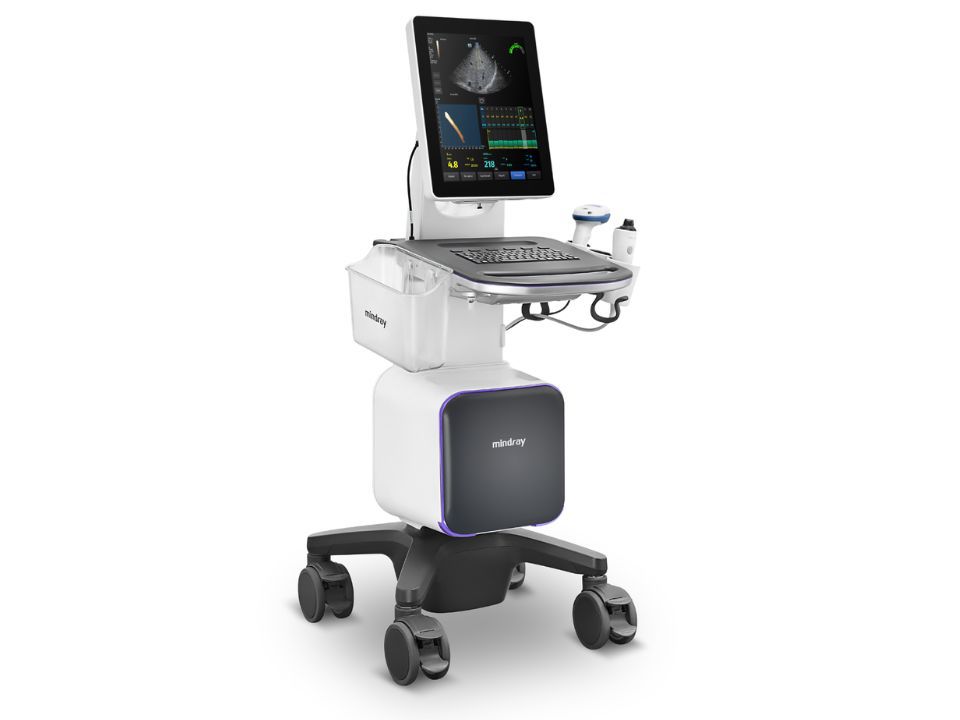

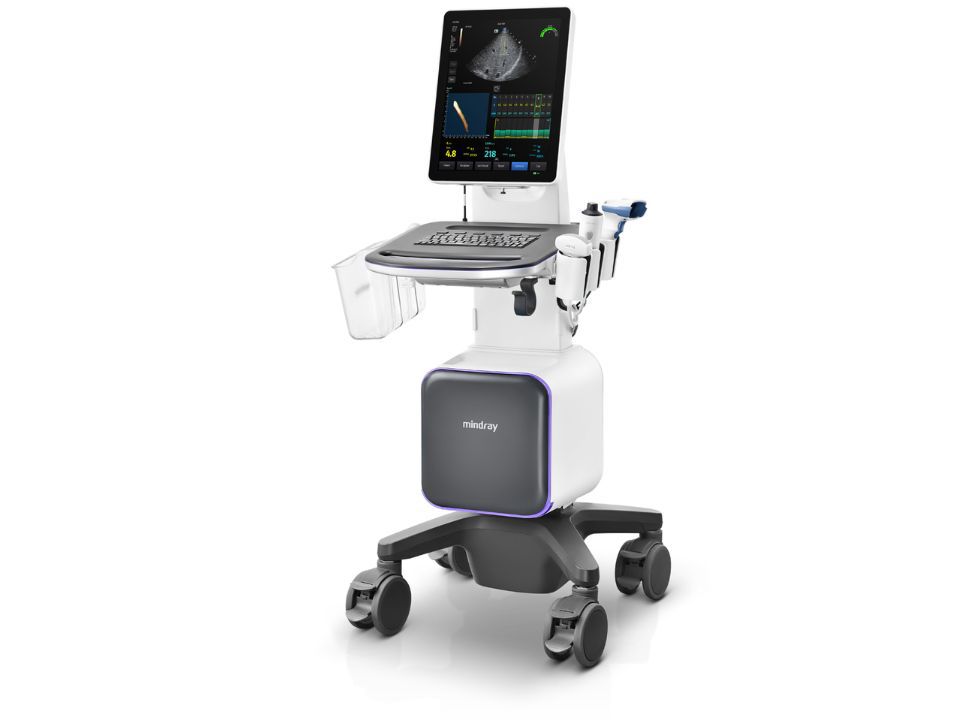
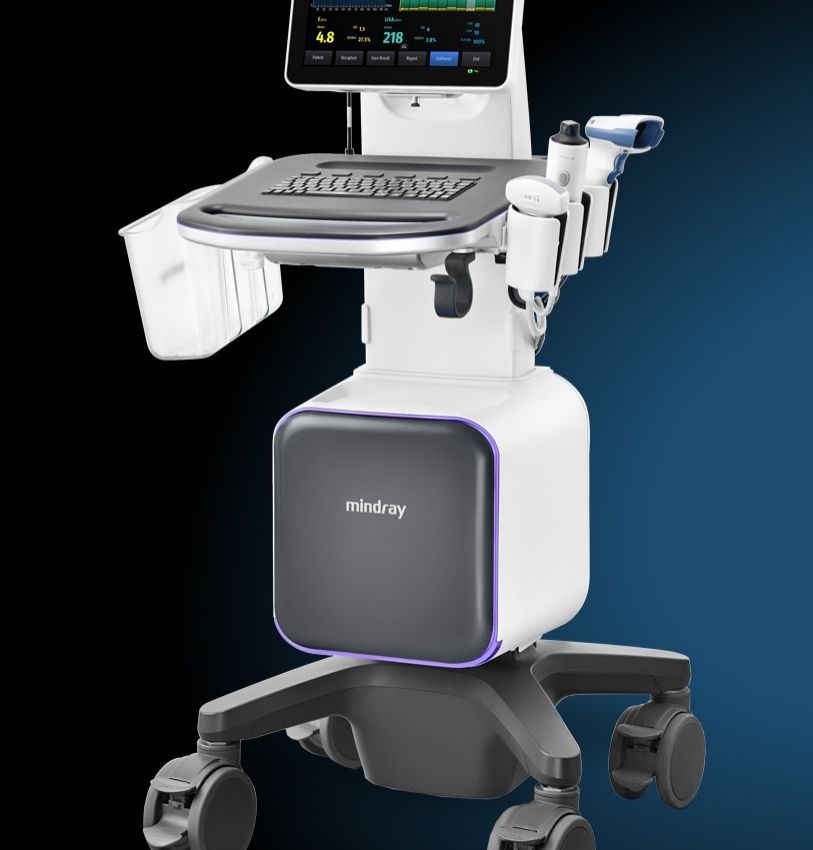



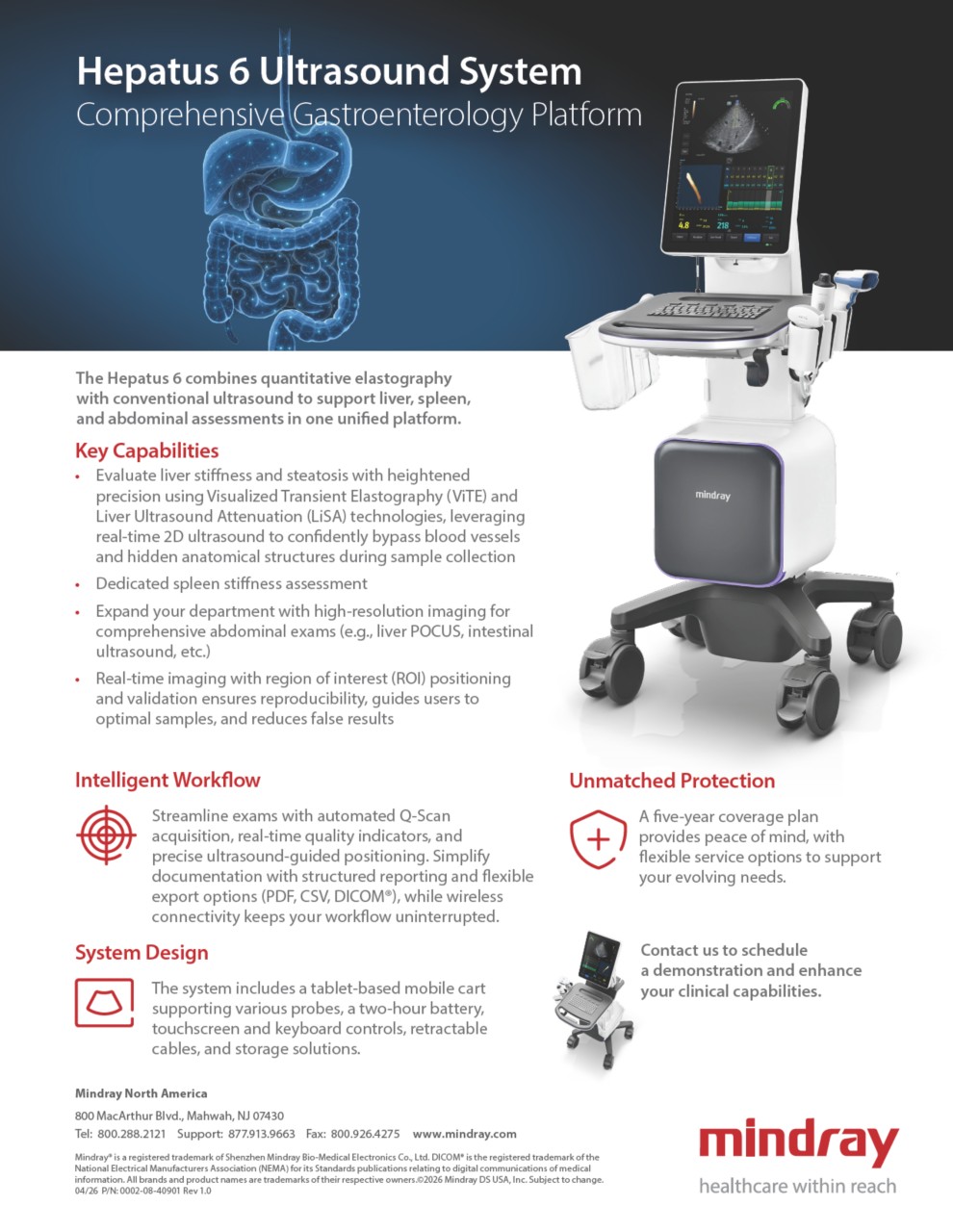
The Hepatus 6 Ultrasound System by Mindray is a comprehensive gastroenterology platform that combines Visualized Transient Elastography (ViTE) with full diagnostic ultrasound imaging. It enables clinicians to assess the liver, spleen, and bowel in one system, delivering real-time insights for multi-organ evaluation and improved clinical decision-making.
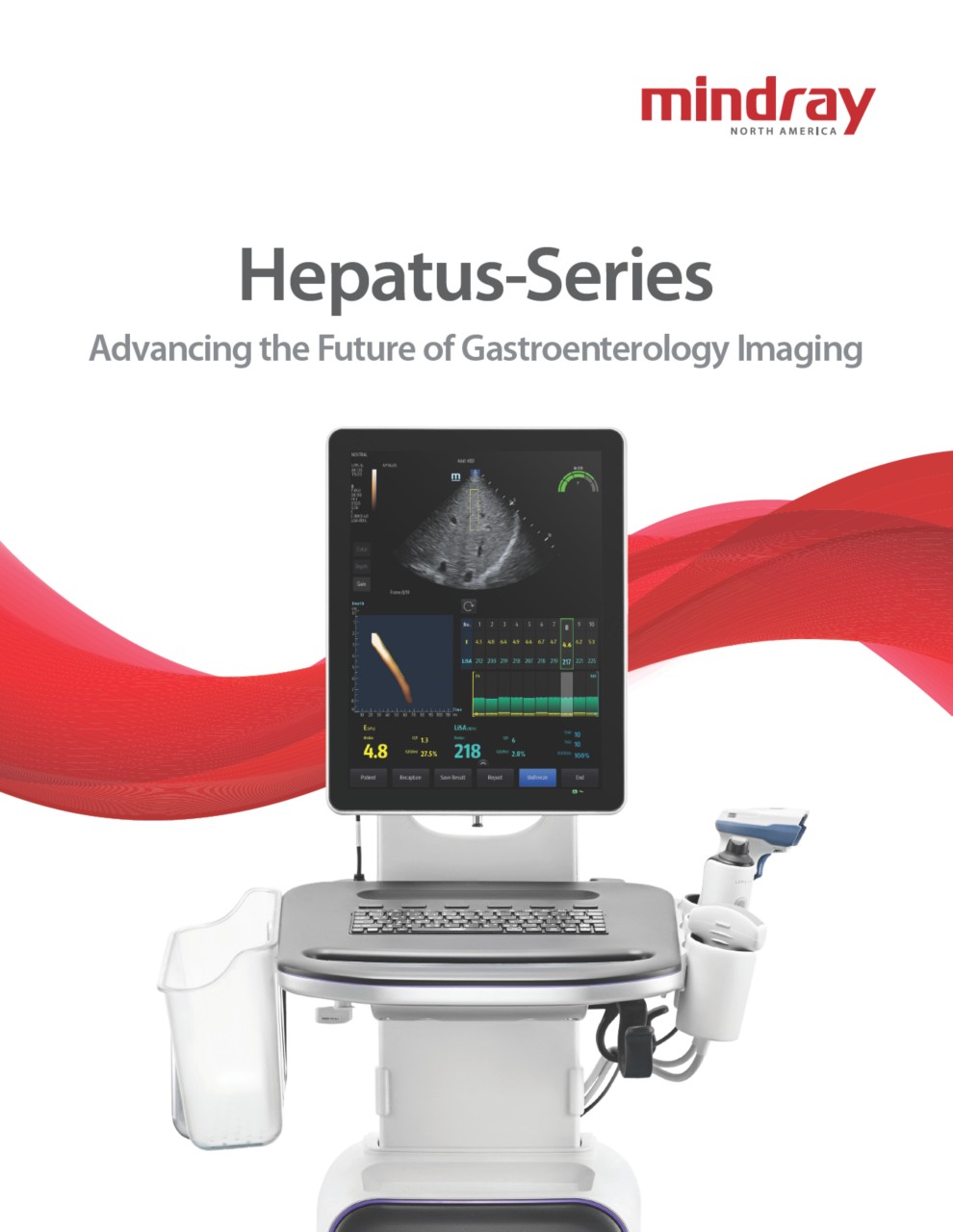
The Hepatus 6 comes with a standard cart, a full touchscreen tablet, a flexible panel with a keyboard, and a built-in battery. It also includes DICOM capabilities for seamless data integration.
The Hepatus 6 features ViTE, LiSA, 2D ultrasound imaging, spleen stiffness measurement, and intestinal ultrasound capabilities.
The Hepatus 6 system supports liver stiffness and steatosis evaluation, spleen stiffness measurement, bowel imaging, abdominal ultrasound, and biopsy guidance and interventional support. This multi-organ capability allows practices to consolidate GI imaging into a single platform and handle a wide range of gastroenterology assessments in-house.
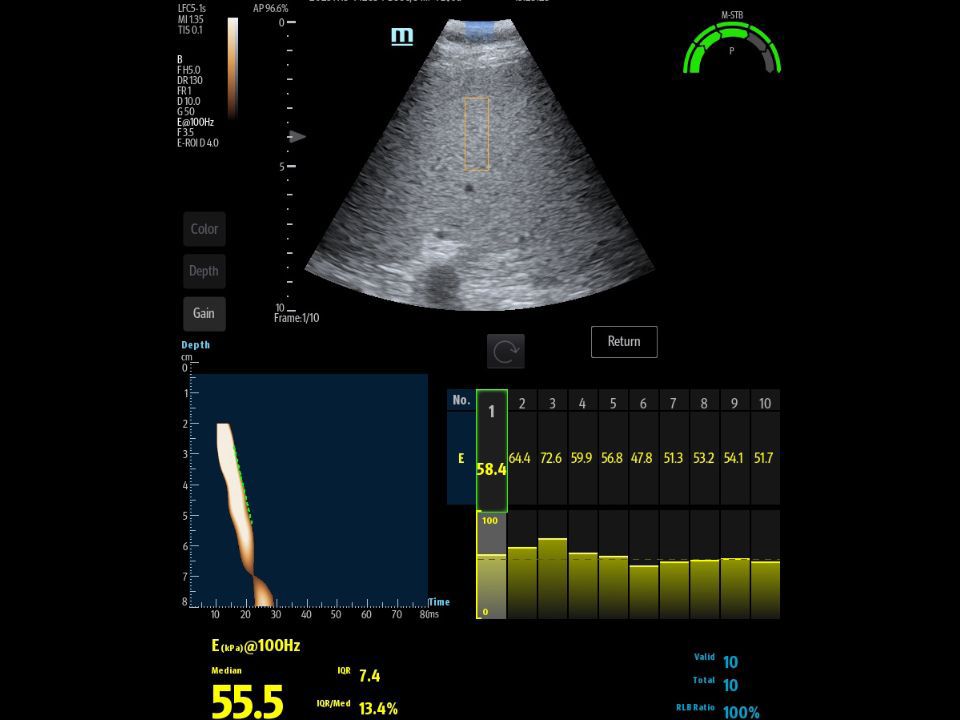
The Hepatus 6 combines quantitative elastography with real-time diagnostic ultrasound imaging, helping clinicians visualize anatomy and optimize region-of-interest (ROI) placement during acquisition. The platform supports multiple transducer options, including the LFC5-1s, LFP5-1s, and C5-1s transducers, which offer deep imaging penetration to support visualization across a wide range of patient body habitus and abdominal imaging scenarios.
By integrating real-time imaging guidance with elastography workflows, clinicians can better identify appropriate sampling locations while avoiding structures such as vessels, bile ducts, ribs, or other anatomical obstacles that may impact acquisition quality.
Hepatus 6 incorporates guided acquisition workflows, real-time quality indicators, and Q-Scan Intelligent Acquisition technology to support standardized elastography exams. The system automatically captures valid measurements while monitoring factors such as probe pressure and respiratory stability during acquisition.
Real-time ultrasound visualization and ROI positioning also help clinicians optimize sampling location and reduce variability between exams, supporting reproducible longitudinal assessment over time.
Yes. Hepatus 6 supports longitudinal liver assessment through structured reporting, trend visualization, and flexible data export capabilities. Quantitative liver stiffness and steatosis measurements can be tracked over time to support ongoing clinical evaluation and disease monitoring workflows.
The platform also supports export formats including PDF, CSV, DICOM®, and network-based connectivity options for integration into existing clinical infrastructure and follow-up programs.
Yes. Hepatus 6 supports conventional diagnostic ultrasound imaging using compatible linear and curved transducers, enabling practices to incorporate intestinal ultrasound (IUS) into broader gastroenterology imaging workflows.
The platform combines abdominal imaging capabilities with quantitative elastography in a single system, supporting practices interested in expanding point-of-care imaging applications within gastroenterology.
Yes — Hepatus 6 integrates elastography and diagnostic ultrasound into a single system. It combines ViTE for liver and spleen stiffness assessment, LiSA technology, and high-resolution 2D imaging into a single platform. This enables clinicians to visualize the region of interest in real time while obtaining quantitative measurements for confident assessment.
A key advantage is that Hepatus 6 uses a single transducer for these functions. Unlike systems that require probe switching, this approach saves time and helps improve workflow efficiency. The result is a more streamlined exam process with real-time imaging, reliable measurements, and greater convenience for clinicians.
The Hepatus 6 platform uses Q-Scan Intelligent Acquisition, quality control feedback, and real-time ultrasound guidance to ensure consistent measurements. It automatically captures valid data, monitors probe stability, and helps optimize ROI placement, supporting reproducible exams and reliable longitudinal tracking.
Hepatus 6 combines quantitative elastography with real-time diagnostic ultrasound imaging, enabling clinicians to visualize anatomy and position the region of interest (ROI) during acquisition. This guided workflow helps optimize sampling location while avoiding structures such as vessels, bile ducts, ribs, or surrounding anatomy that may impact measurement quality.
By integrating ViTE directly into the acquisition workflow, Hepatus 6 can support more consistent measurements, improved workflow confidence, and reproducible longitudinal assessments.
The Hepatus 6 offers a yearly trade-in program for the ViTE transducer, reducing calibration downtime and minimizing failure risks. This ensures your system consistently performs at its best.
Yes, the Hepatus 6 ultrasound system is designed with scalable architecture, allowing practices to expand transducer options and imaging capabilities over time. Its ability to combine multiple GI applications into one workflow supports service line growth, improves efficiency, and enhances revenue opportunities within a single platform.
The Hepatus 6 system offers enterprise-grade connectivity, including PACS, DICOM, SFTP, and network sharing. It also supports structured reporting and batch export in formats like PDF and CSV, making it easier to document exams, track patient trends, and integrate with existing hospital systems.
The Hepatus 6 features a tablet-based system mounted on a cart with built-in battery power for over two hours of operation. It includes multi-transducer support, onboard storage, and cable management features, making it mobile within clinical settings while maintaining full functionality.
The Hepatus 6 ultrasound system includes a five-year system warranty, along with coverage for standard transducers and access to technical support. Mindray also offers software upgrade pathways through Living Technology™, helping keep the system up to date throughout its lifecycle.
The Hepatus 6 is a full GI imaging platform with multi-organ capabilities, including spleen and bowel imaging, while the Hepatus 5 is focused specifically on liver diagnostics. Hepatus 6 also includes full diagnostic ultrasound functionality and broader workflow integration for comprehensive GI practices.
The Hepatus 6 is compatible with the following transducers:
- C5-1s Curved Transducer
- L9-3 Linear Array Transducer
- LFC5-1s Transducer
- LFP5-1s Transducer
- The C5-1s Curved Transducer and L9-3 Linear Array Transducer each have a five-year warranty.
- The LFC5-1s and LFP5-1s Transducers also have a one-year warranty.
Mindray CARE Team Support
When you invest in Mindray solutions,you gain access to the Mindray CARE Team-a serviceorganization dedicated solely to ensuring you get the most use out of your equipment,so youcan ensure your patients get the most out of their care. Our dedicated field service team andin-house technical support organization represent one of the largest direct service teams in the industry.
Purchase from Mindray includes comprehensive clinical training and 24/7 remote technical support.