2nd Level Hero Image 1920x750 - mindray-ultrasound-zone-sonography-technology-1920x750-na
Software-based, next-generation

Mindray Ultrasound
Technology

Watch ZST Technology Overview Video
Mindray Ultrasound Technology
Mindray Ultrasound Technology: From ZST+ to Acoustic Intelligence Technology (AIT)

Clinicians use ultrasound imaging to make time-sensitive decisions, often in complex or difficult-to-image cases. Conventional ultrasound systems have limitations in image depth, focus, and adaptability that can affect diagnosis. With ZONE Sonography® Technology+ (ZST+) from Mindray North America, clinicians can leverage an imaging platform that captures more acoustic data, maintains focus at all depths, and compensates for tissue variability, supporting consistent image quality across a range of patient types and clinical settings. 

The Evolution: Acoustic Intelligence Technology (AIT)

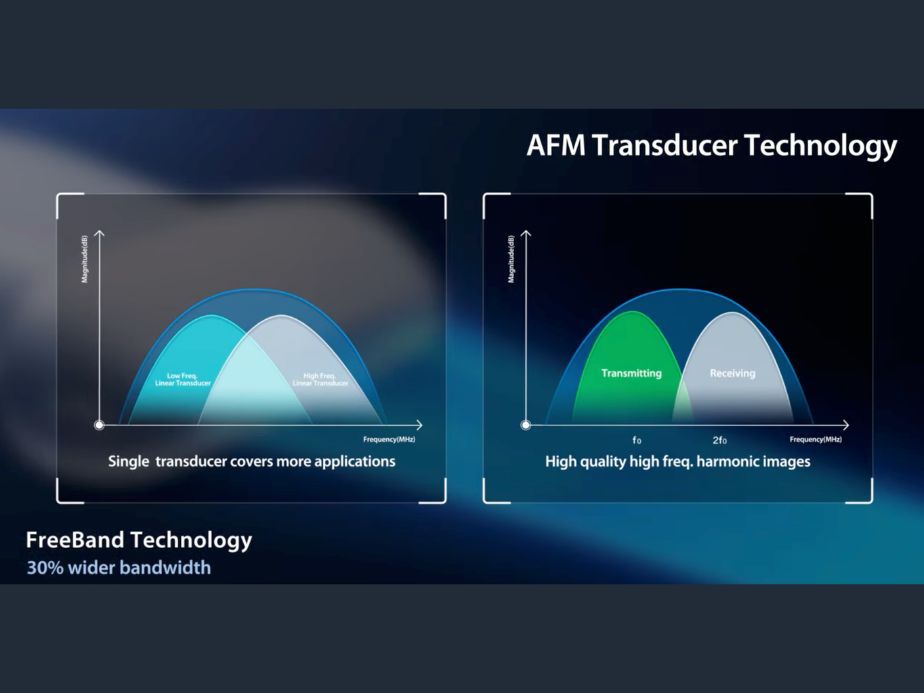
One of the latest advances in ultrasound technology is Mindray’s Acoustic Intelligence Technology™ (AIT), which builds directly on the ZONE Sonography® Technology+ (ZST+) architecture, extending its capabilities through hyper-parallel computing and next-generation AFM matrix transducers.


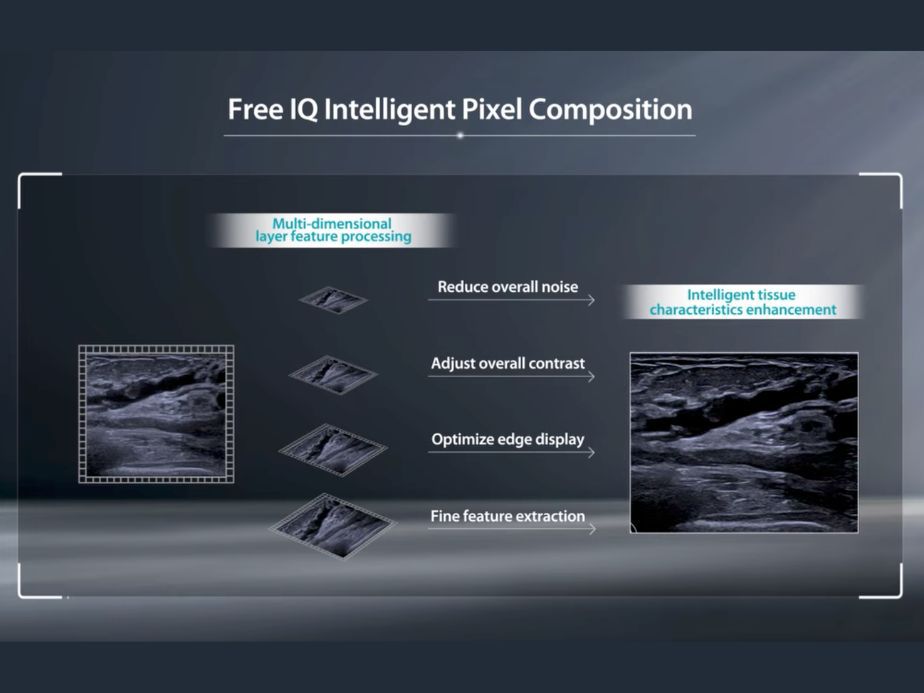
AIT combines advanced acquisition with significantly increased processing power, enabling more efficient signal transmission and reception, improved penetration in difficult-to-image patients, enhanced spatial and contrast resolution, and greater extraction of clinically relevant information from each acquisition. AIT amplifies the strengths of ZST+, transforming it into a more intelligent, adaptive ultrasound imaging technology.

Ait chip graphic from video
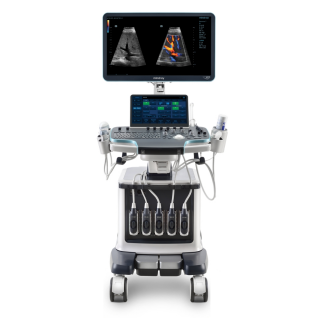
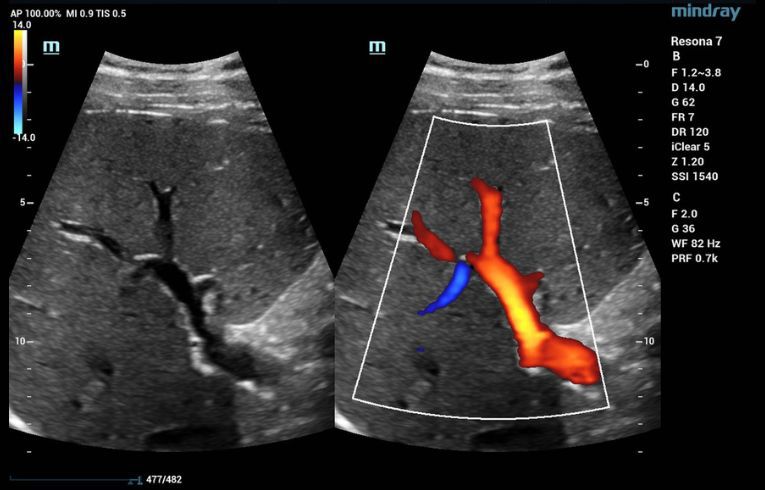
A9 Liver Live Dual
Why This Matters Clinically

Together, ZST+ and AIT shift ultrasound from a hardware-limited modality to a data-rich, software-defined medical imaging platform. This evolution enables clinicians to maintain diagnostic confidence across a wide range of patient types, visualize subtle anatomical structures with greater clarity, reduce variability caused by tissue differences, and perform ultrasound examinations more efficiently without sacrificing image quality.
Ultrasound Imaging: A Brief Overview

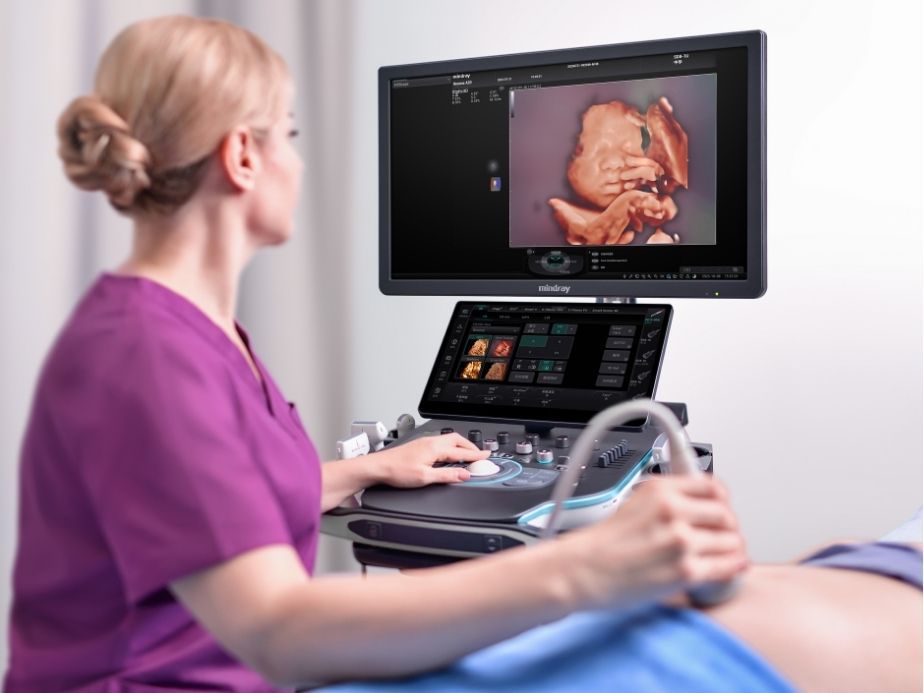
Ultrasound imaging uses high-frequency sound waves transmitted into the body, which reflect off tissues and structures and return signals that are processed into real-time images. Unlike imaging modalities such as Computed Tomography or X-ray, ultrasound does not use ionizing radiation, making it well-suited for situations where repeated imaging may be required. It is also non-invasive in most applications and enables real-time visualization during both diagnostic assessments and interventional procedures.

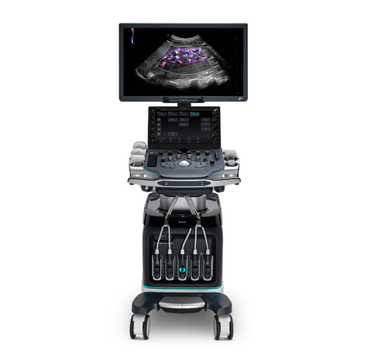
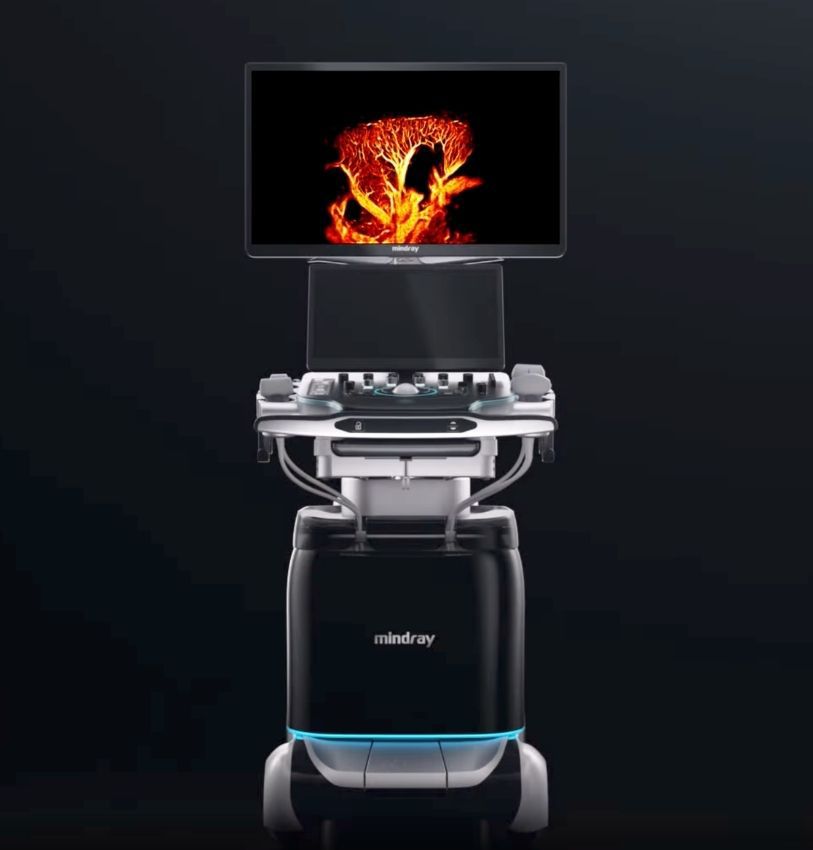
Resona A20
Applications for an Ultrasound Examination
Ultrasound technology serves a broad range of clinical settings, including but not limited to:
Obstetric Imaging
Obstetric Imaging
Ultrasound technology monitors fetal growth and development across each trimester, providing clinicians with a view of the fetus size, position, and movement. It also assesses the position of the placenta, which is relevant to planning delivery. Clinicians can evaluate amniotic levels, as low or high fluid levels can indicate complications requiring medical attention.
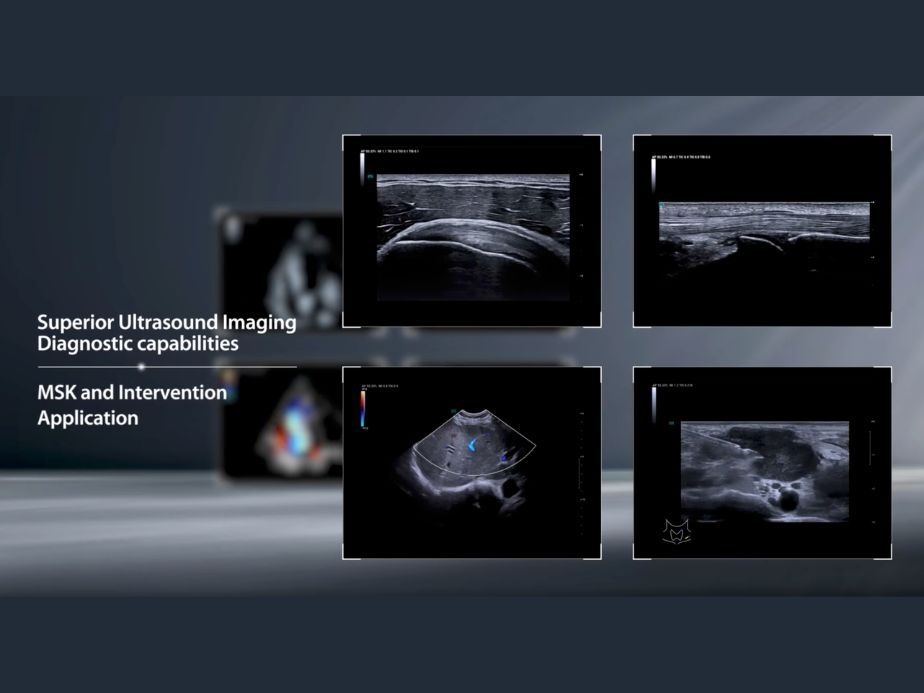
Msk and Intervention App from video
Diagnostic Imaging
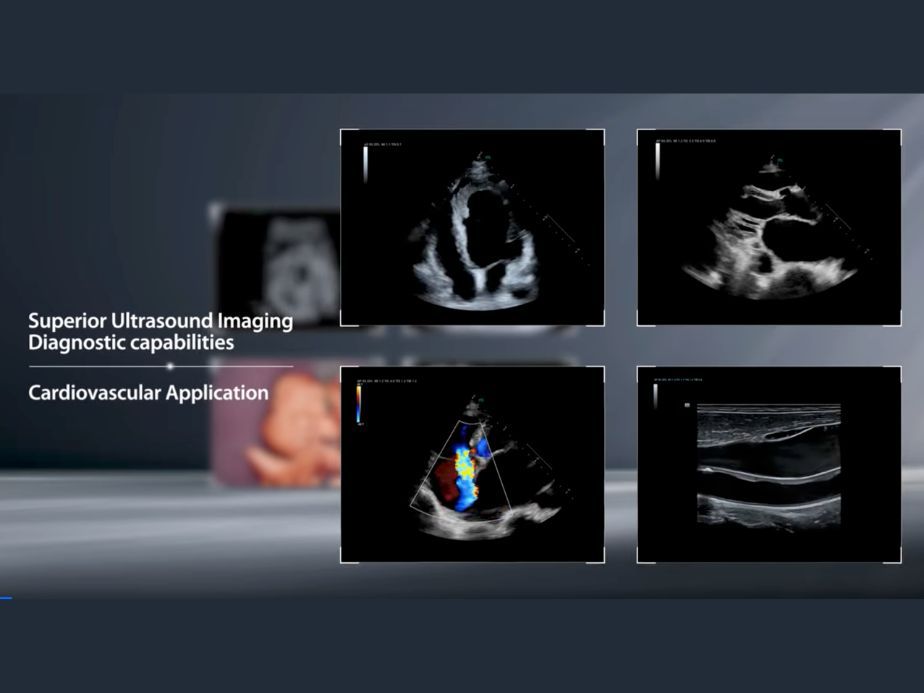
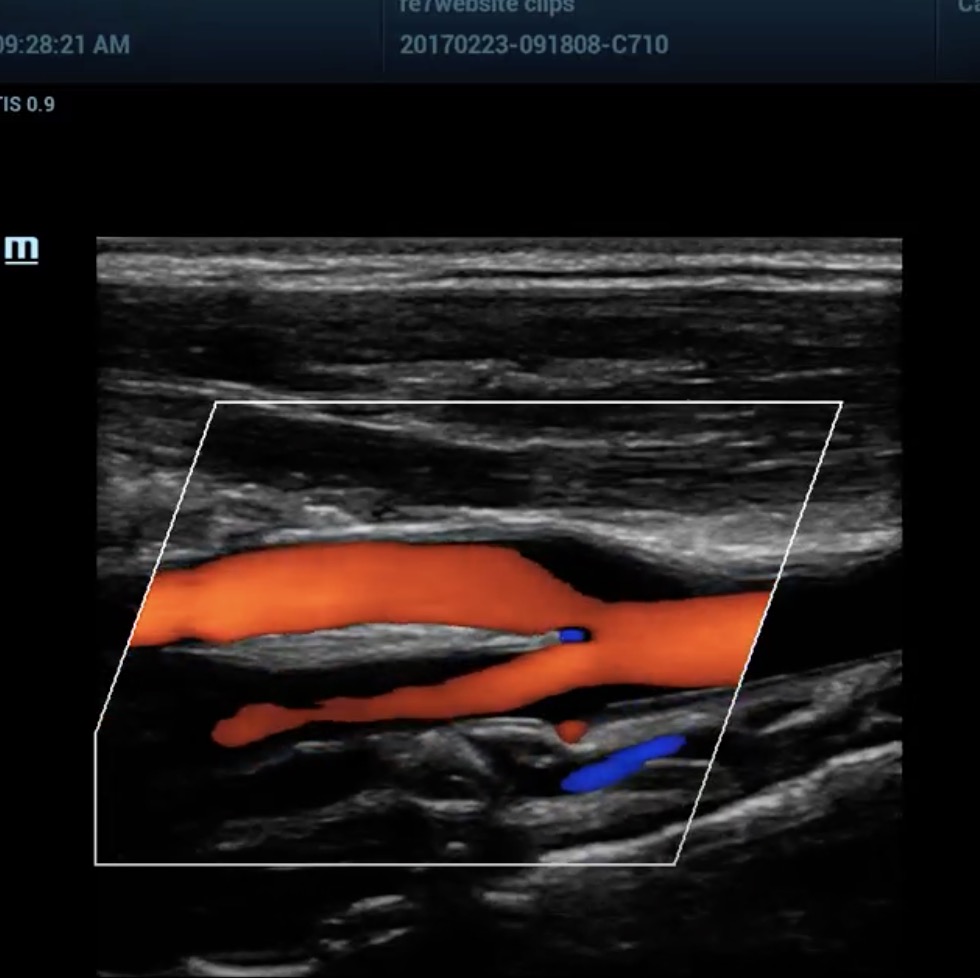
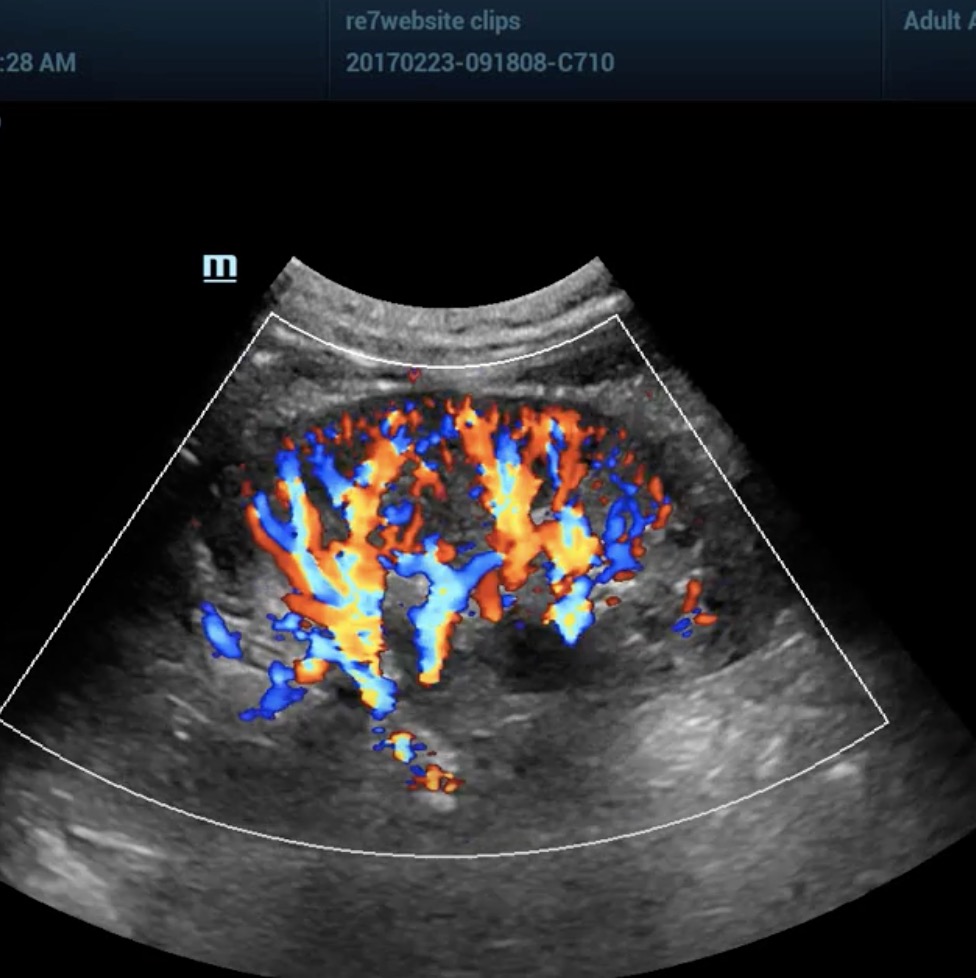
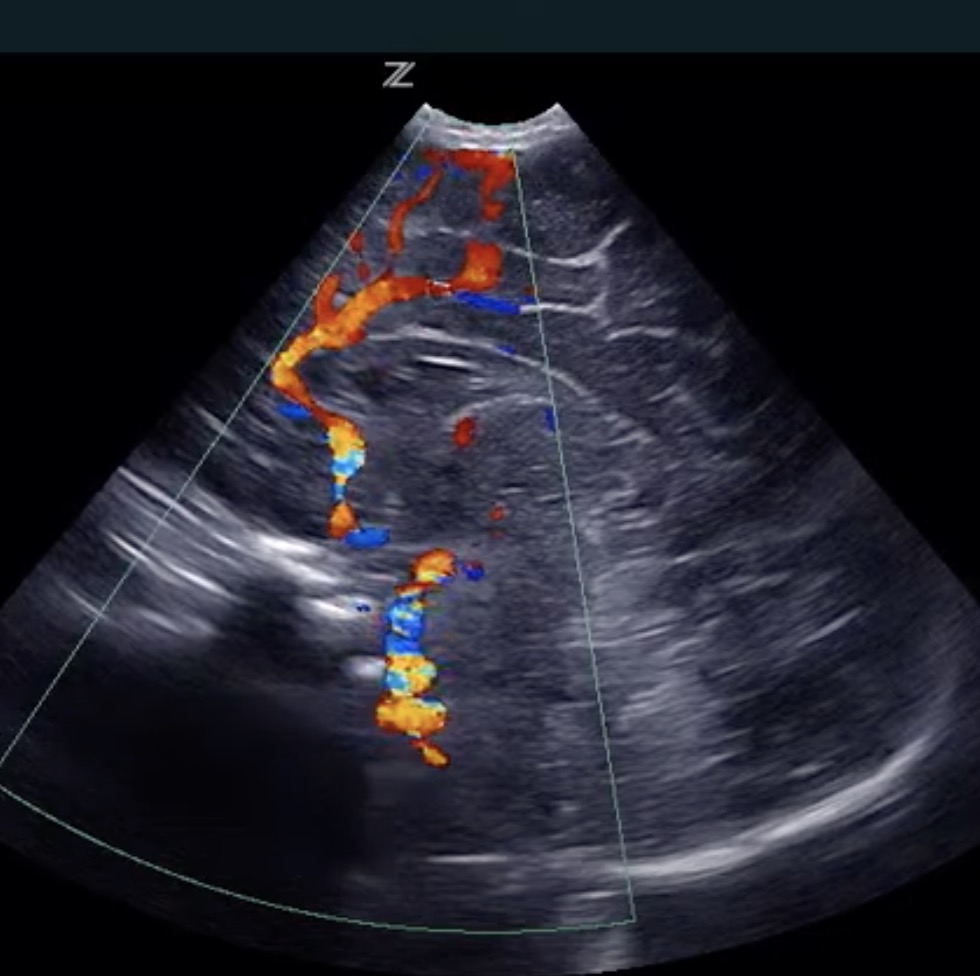
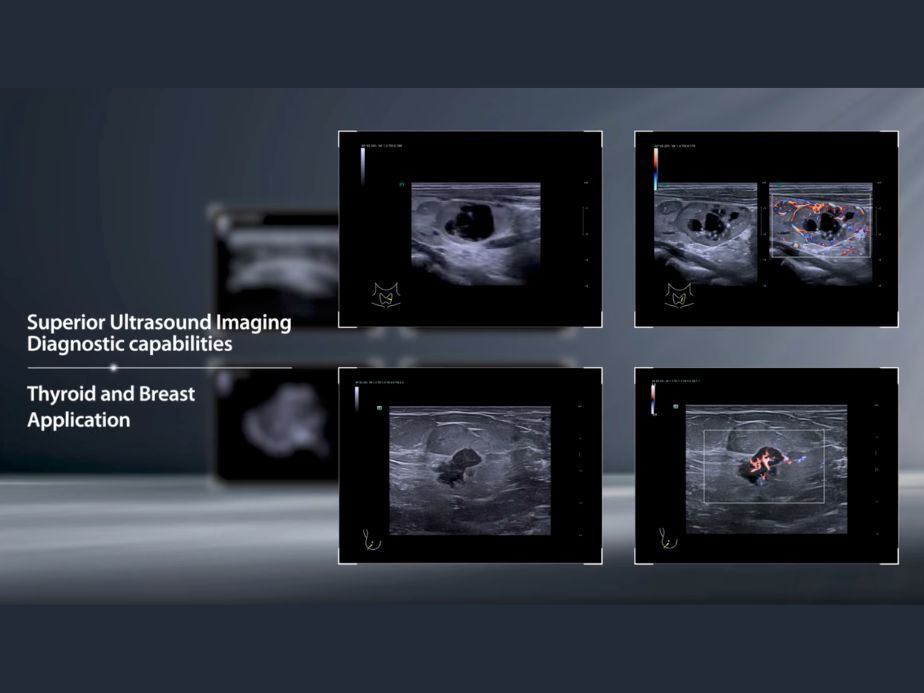
Diagnostic ultrasound allows clinicians to identify the source of pain, swelling, or infection in organs such as the liver, bladder, kidneys, and gallbladder, among others — like the heart. Doppler ultrasound extends this capability further by evaluating blood flow through veins and arteries to detect blockages or abnormalities in circulation.
Cardio Application From video
Procedure Guidance
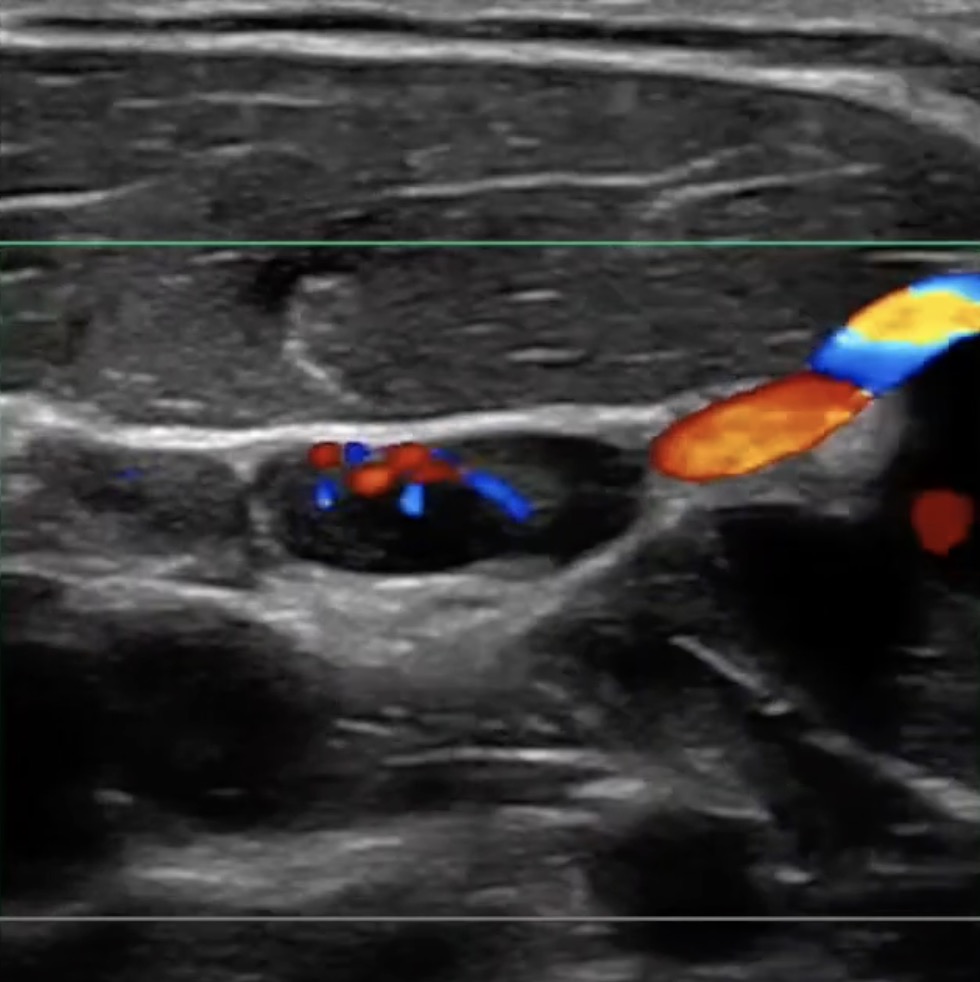
Ultrasound imaging technology facilitates minimally invasive procedures. During needle biopsies, it guides the needle to the correct location to obtain an accurate sample. It also provides live visualization of vessel access during catheter and intravenous line placement. This real-time guidance can minimize the margin of error in procedures where precise placement matters.
Living Technology

ZONE Sonography Technology+ is a constantly evolving, software-based technology, or a "Living Technology." Living Technology™ is the ZST+ approach to providing customers with easily upgradable ultrasound enhancements based on its unique and proprietary ZONE Sonography Technology+. These upgrades secure product investment protection by ensuring that the ZST+-based platform remains at the cutting edge of imaging performance excellence throughout the system’s entire life cycle.

Ultrasound Gear and Leaf
Key Advantages of ZONE Sonography Technology⁺
Advanced Acoustic Acquisition
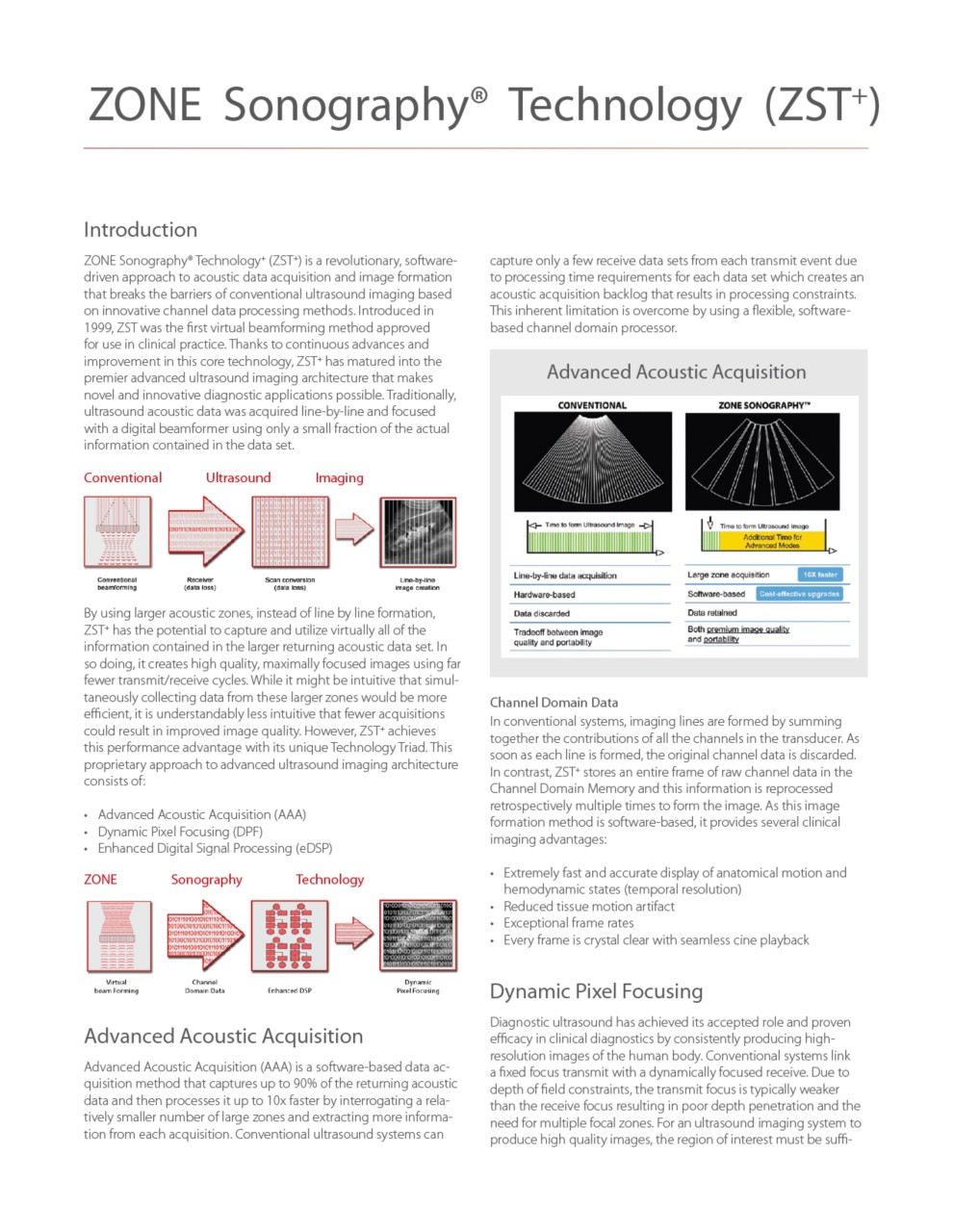
Advanced Acoustic Acquisition (AAA) is a software-based data acquisition method that captures up to 90% of the returning acoustic data and then processes it up to 10x faster by interrogating a relatively smaller number of large zones and extracting more information from each acquisition. Conventional ultrasound systems can capture only a few receive data sets from each transmit event due to processing time requirements for each data set, which creates an acoustic acquisition backlog that results in processing constraints. This inherent limitation is overcome by using a flexible, software-based channel domain processor.
 Dynamic Pixel Focusing
Dynamic Pixel Focusing
Conventional ultrasound systems link a fixed focus transmit with a dynamically focused receive. Due to depth of field constraints, the transmit focus is typically weaker than the receive focus, resulting in poor depth penetration and the need for multiple focal zones. For an ultrasound imaging system to produce high-quality images, the region of interest must be sufficiently sampled in both the axial and lateral dimensions to prevent several types of imaging artifacts. Dynamic Pixel Focusing permits the utilization of the complete channel data set received from multiple, overlapping zones to retrospectively improve the position and focus of each individual data point. Using software algorithms to synthetically focus along every point in the receive beam effectively produces a round-trip beam focused at all depths, eliminating the need for multiple transmit foci. The image is 2-way focused at every point. A typical ZST+ ultrasound image has over 500 range samples, so the net effect is equivalent to a conventional beamformer-based system using 500-600 focal zones.
Sound Speed Compensation
Another unique and patented engineering breakthrough that differentiates ZST+ from traditional hardware-based beamforming platforms is automated digital Sound Speed Compensation (SSC). Historically, ultrasound imaging systems have been calibrated to the inaccurate assumption that ultrasound propagates through all human soft tissue at a velocity of 1,540 meters per second. In fact, many factors affect the actual speed of sound in a particular tissue, and failure to compensate for these differences diminishes and limits spatial and contrast resolution in conventional ultrasound systems. At the touch of a button, SSC automatically samples the tissue being examined and recalibrates the software to reflect its specific speed of sound. The resulting enhancements in image quality provide another powerful clinical tool that can support diagnostic confidence, especially when examining diseased organs and structures at deeper depths. Compare, and the difference is clear. Enhanced spatial resolution in a tissue-equivalent pin phantom without Sound Speed Compensation (A) and with Sound Speed Compensation (B).

Why Trust Mindray?

Since 1991, Mindray has advanced medical technologies to make healthcare more accessible. ZST+, which has been developed and refined over time, reflects that long-term thinking. This sustained investment means the capabilities built into this technology rest on a foundation of real clinical experience. We invest approximately 10% of our annual revenue into research and development, making innovation a structural commitment of our business approach.

Beyond innovation, we provide our solutions with ongoing support to lower the total cost of ownership. Whether you want emergency services or a quick repair to minimize downtime, the Mindray CARE Team is ready to assist. We also back your investment with preventive maintenance, standard warranties, extended warranties, and end-of-life support. This end-to-end commitment has earned us the trust of many top 100 hospitals in the U.S. that use our systems.

false