Choosing the Right Ultrasound Machine for Your Practice
02-24-2026

Choosing the right ultrasound system requires evaluating more than just image quality. Practices should assess clinical needs, exam types, patient volume, portability demands, and total cost of ownership. Equipment options range from handheld point of care devices to advanced console systems. Mindray is a top-three U.S. ultrasound provider, offering an innovative selection with a 97% customer satisfaction rating.
Modern medicine leverages ultrasound technology to gain more visibility into internal structure and anatomy using a non-invasive approach. These solutions help promote high-quality healthcare by enabling fast, in-depth visualization for informed clinical decision making. Additionally, integrations with infrastructure such as electronic medical records (EMRs) aid with documentation and standardization across departments and facilities. As a result, making an informed choice about ultrasound technology helps support both clinical excellence and operational efficiency.
Choosing ultrasound equipment can be challenging without a defined framework for guidance. Let's explore how understanding the different options, assessing your clinical needs, aligning with patient volume, and evaluating more than just upfront costs can support a strategic decision.
Understand the Different Types of Ultrasound Machines Available
When choosing ultrasound equipment, understanding the distinct characteristics of each type is important for informed decision making. From handheld units to cart-based systems and console platforms, each category offers specific advantages for different care environments and workflow needs.
Handheld Ultrasound Technology
Handheld ultrasound technology combines fast assessments and procedural guidance with portability, providing real-time visualization at the bedside. Clinical teams can use handheld systems for common workflows like vascular access, focused exams, hemodynamic evaluations, and more.
The compact footprint and accessible entry point of these solutions further help promote value and practicality by conserving facility space. These characteristics make handheld systems useful across distributed care environments, from critical care units and perioperative care departments to private physician offices.
Compact Portable Cart Systems
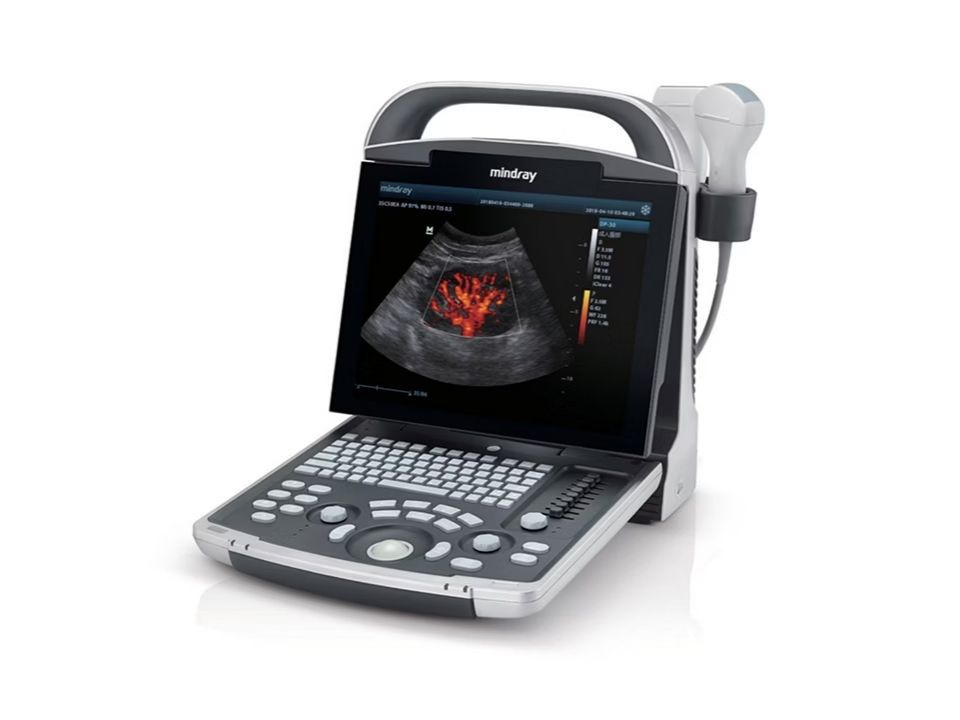
Portable, cart-based ultrasound technology combines versatility with stability, advanced imaging capability, and point of care efficiency. These solutions support a broad variety of transducers, from linear and convex to phased array. Additionally, this technology accommodates multiple imaging modes, such as Doppler and 3D/4D, providing flexibility for workflows like vascular studies, cardiac assessments, and fetal development monitoring in a single platform. The stable design and portability also make a cart ultrasound practical for higher-throughput care settings.
Console Systems
Console systems offer advanced imaging capabilities, high stability, and ergonomic design to support clinical teams' comfort during longer scanning sessions. The larger footprint and transducer flexibility translate into detailed visualization in workflows where precise, in-depth imaging is essential. With their more substantial design, console systems are most practical in dedicated ultrasound rooms rather than as point of care solutions.
Specialized Systems
Specialized systems are also an option, such as ultrasound for liver care that features elastography. These platforms help support detailed measurements of fibrosis and steatosis, providing advanced analytical capabilities to assess overall liver health.
Assess Your Clinical Needs for Ultrasound Machines
Your clinical needs are the ideal starting place for determining the best ultrasound machine for your care setting and workflows.
Clinical Applications
Begin by mapping out your primary exam types and researching where and how your clinical team is using ultrasound technology the most. Answering the following questions can help you create a detailed checklist to support your decision:
- Is the equipment used more frequently for procedural guidance, diagnostic exams, or a combination of both?
- What is the depth of imaging required for your most common workflows and patient mix?
- What specialized modes such as Doppler does your team need to help uphold care quality?
- What types of transducers will your exams require, and does the technology support them?
- How many concurrent users need access to the technology?
Department-Specific Requirements
Consider the needs of each department, especially if they share technology. For example, rapid assessment is essential in high acuity environments like the ED, but less so in routine women's health exams, where detailed obstetric imaging is more important. Defining the requirements of each department can help you choose a more versatile solution that can adapt to cross-departmental needs.
Align With Patient Volume

Assessing patient volume is the next step in building a well-developed checklist for choosing ultrasound technology. Determine your daily volume patterns and identify:
- Typical exam numbers
- Peak usage times, especially if they could create challenges with concurrent cross-departmental use
- After-hours coverage needs
- Backup requirements
As part of this exercise, consider workflow efficiency across shifts by answering questions like:
- What are the time requirements for each exam?
- What are the departmental scheduling patterns?
- What documentation requirements exist, and can documentation be automated through integration?
- What presets does the technology offer that are compatible with your workflows to save clinical teams time without compromising care quality?
Additionally, you'll want to factor in the physical demands on both your teams and the equipment, including:
- Usage intensity
- Cleaning frequency
- Portability needs and transport requirements
- Storage conditions
- The operating environment
Evaluate More Than the Purchase Price
Budget concerns remain consistent in today's healthcare environment amid rising costs, reduced insurance reimbursements, and a shift to value-based care. These realities make it essential to consider the total cost of ownership beyond the upfront price. Ask yourself:
- What acquisition options exist? For example, can you lease rather than buy and gain predictable, manageable monthly payments?
- What service agreements and upgrade pathways does the developer offer to help protect the technology's uptime and safeguard against obsolescence?
- What implementation costs are involved?
- What training requirements will be necessary?
Factor in ongoing needs and long-term value indicators to help support effective resource planning:
- What is the cost of disposables and supplies?
- How often will transducers require replacement, and what are the expenses involved?
- What integration benefits exist that can aid in clinical efficiencies?
- How responsive is the developer when you need service or support?
Answering these questions can help you align your choice with your unique care environment, workflows, and clinical team requirements.
Why Trust Mindray North America for Ultrasound Technology
Mindray has been a trusted developer of innovative ultrasound technology for decades. Our mission is simple but ambitious — advance medical technologies to make healthcare more accessible. Deep expertise and a commitment to that vision have established us as one of the top three developers nationwide. Our solutions assist clinical teams in 34 of the country's leading hospital systems.
We understand the need to identify and implement the best USG machine for your clinical team, workflows, and care setting. Our dedication to partnering with clinical teams across the country extends beyond the purchase, with the Mindray CARE Team providing ongoing service and support while maintaining a 97% customer satisfaction rating.