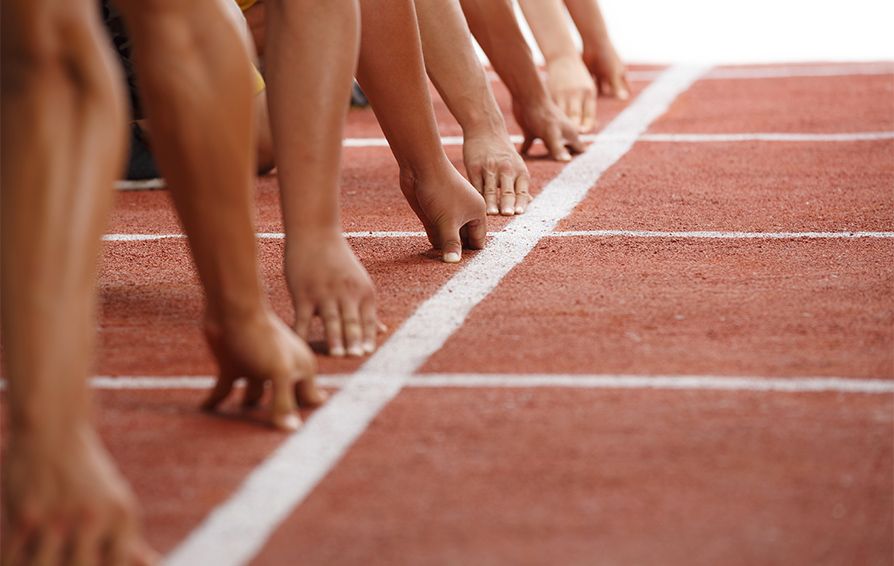
On November 9, the Guangdong-Hong Kong-Macao Greater Bay Area made its debut as a co-host of the National Games, captivating audiences with outstanding athletic performances. A critical mission was also underway: building a robust safety network for this unprecedented event spanning three cities. This effort went beyond organizational capability, becoming a true test of inter-city collaboration and medical innovation.
Challenge:
The Sports Event Is Held Across Three Cities in the Greater Bay Area
The joint hosting by three cities stands as one of the defining features of this National Games—and also one of its biggest challenges in terms of medical services. With event venues spread across multiple cities, the traditional single-city medical resource allocation model had to be replaced with an integrated cross-city and cross-border emergency response system, as any delay could cost precious minutes during the golden window for rescue. Tackling this challenge relied on seamless collaboration, supported by more intelligent and edge-cutting medical solutions.
Innovation in Action:
Turning Ambulances into Mobile ICUs
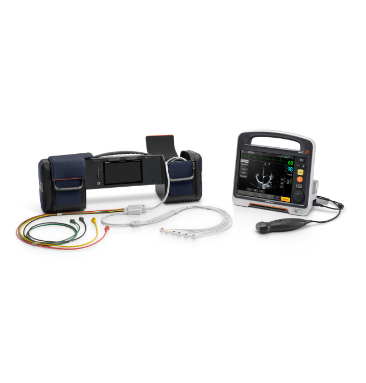
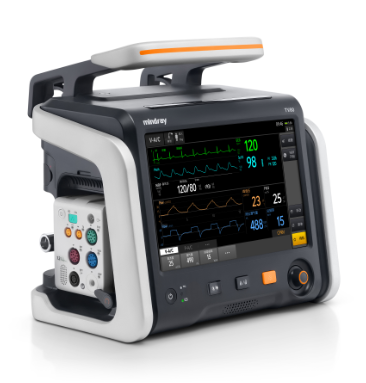
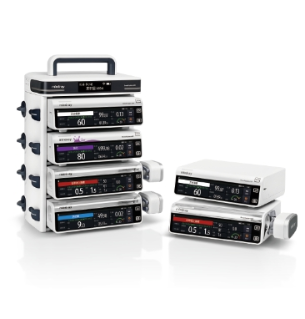
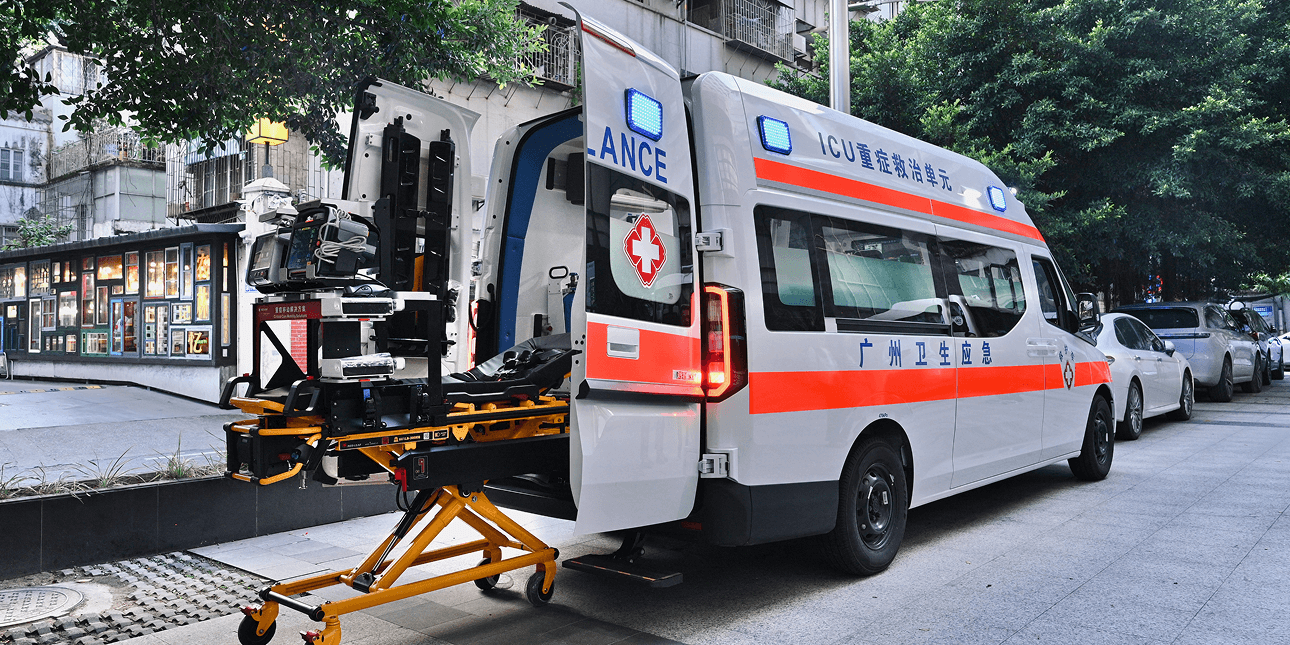
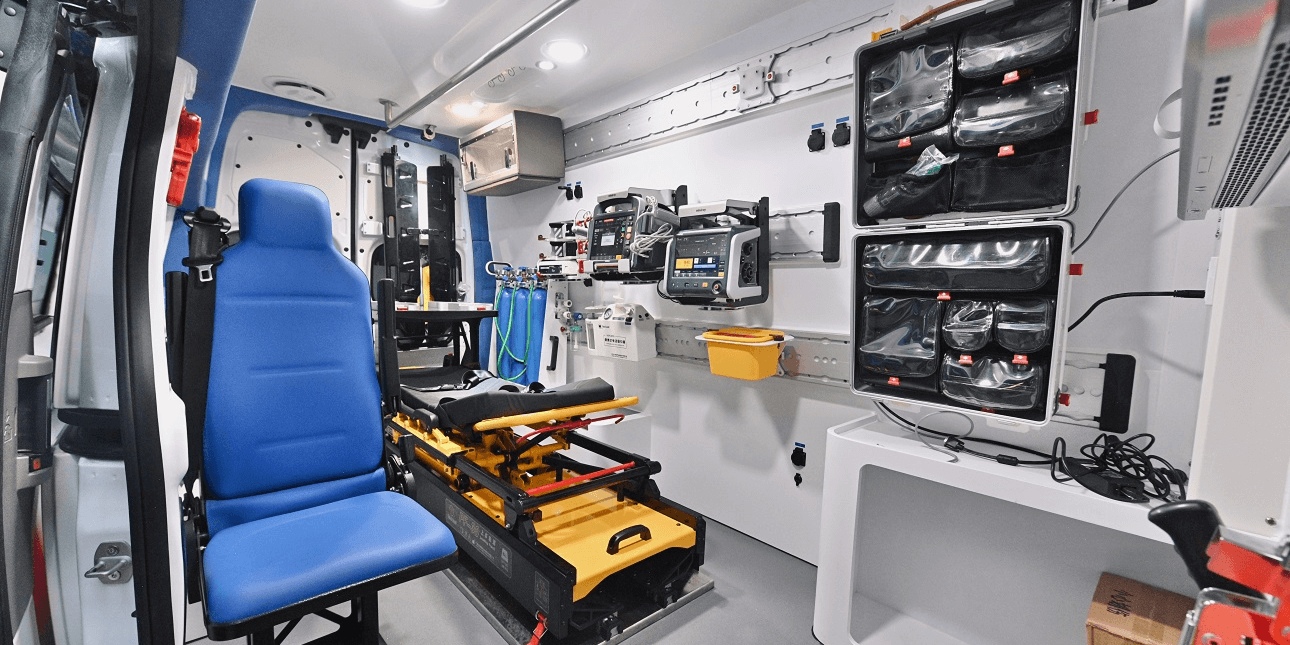
Innovation proved key to overcoming these challenges. In Guangzhou, specially designed smart ambulances were deployed for major sports events. More than just patient transport vehicles, they functioned as mobile ICU monitoring units. Inside the vehicle, the BeneHeart DX monitor/defibrillator (with vital signs monitoring, cardiac defibrillation, ultrasound screening, and 12-lead ECG), the TV80 transport ventilator, and the N-series infusion pumps were modularly integrated for quick deployment and use. The key innovation lied in the 5G-powered system that enabled real-time data sharing across the ambulance, command center, and receiving hospital. This allowed for remote expert guidance and achieved “admission upon boarding,” buying vital minutes for critical cases. The innovation isn’t just limited to the Games—it marks the first step toward a smarter, more connected urban emergency response system..
Dr. Luo Hongbin
Director of the Guangzhou Emergency Medical Command Center
We tailor our ambulance setups to the specific event needs. For instance, trauma modules are deployed for sports where injuries are the primary concern, while the appropriate modules are deployed for emergencies where chronic diseases or internal medicine conditions are anticipated.
Weaving the Safety Net:
The “Peace of Mind” Behind 800 AEDs
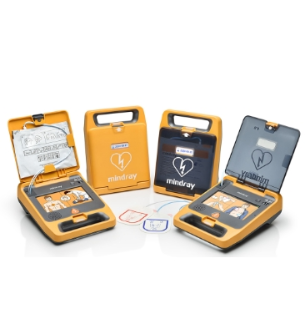
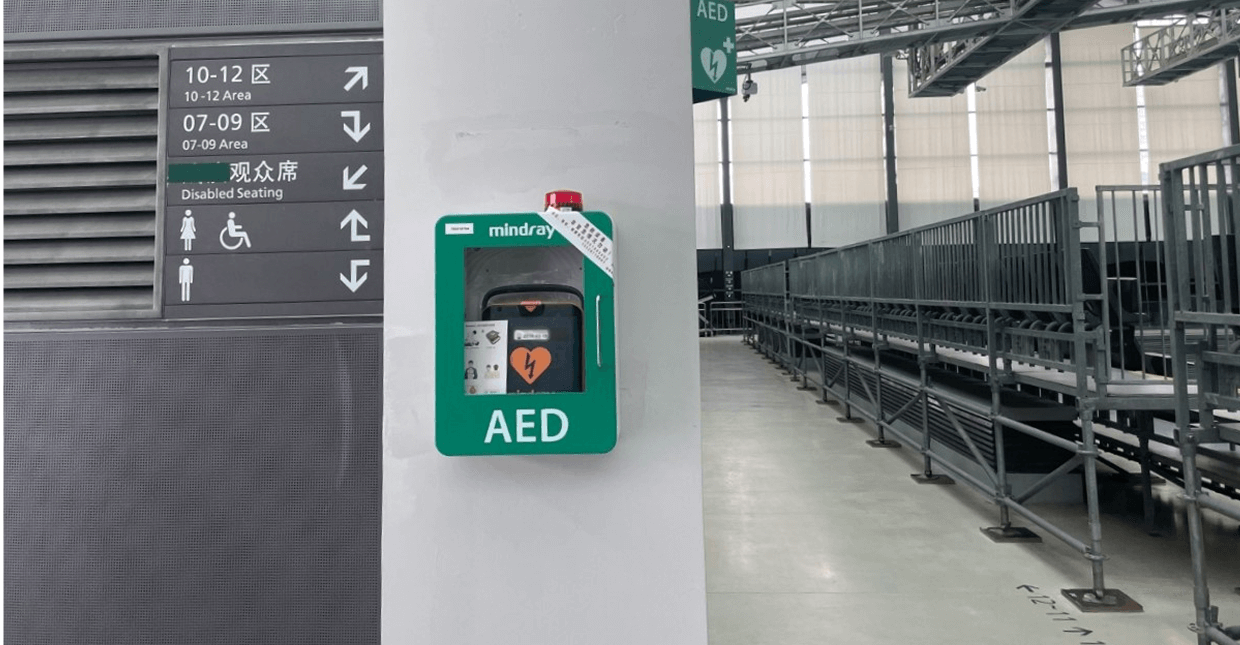
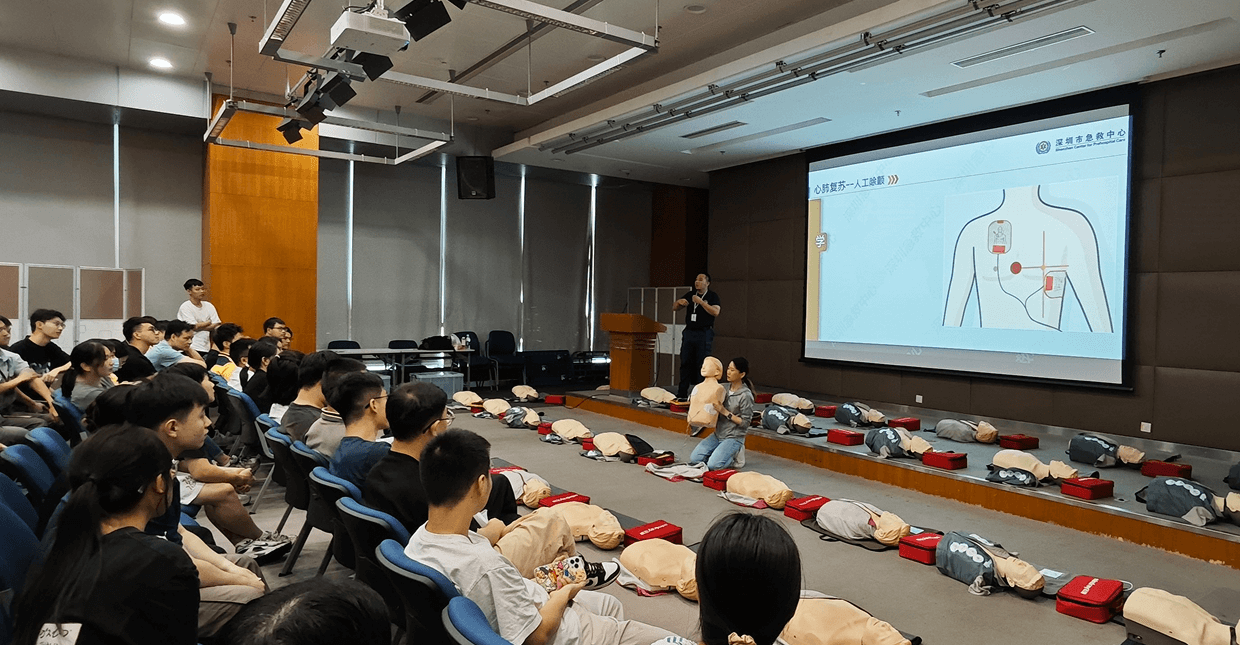
Safety lies in the details. In Shenzhen, AEDs (often called “lifesaving devices”) have become an indispensable part of the city’s infrastructure. For this National Games, the safety net was strengthened even further—more than 800 new AEDs had been installed across key venues and hotels in the three host cities. Before the Games began, all AEDs at Hong Kong’s Kai Tak Sports Park and Shenzhen’s Universiade Sports Center underwent thorough inspections and to ensure readiness. But equipment alone is not enough; trained responders are equally crucial. To this end, first-aid training sessions for 8,800 people were launched simultaneously to ensure volunteers and staff for the Games were properly trained. This safety net, woven together by AEDs and trained responders, ensures that every spectator can enjoy the Games with complete peace of mind.
Skills Training:
The Digital Instructor Cultivates Excellent Emergency Responders
Professional medical teams in Guangzhou are benefiting from a new, high-tech approach to training introduced by the Guangzhou Emergency Medical Command Center. This intelligent “digital instructor” simulates real-life emergency scenarios and provides real-time feedback on CPR performance, including compression depth, rate, and overall score. The visible feedback allows responders to refine their skills efficiently and deliver effective first aid for athletes.
Technology Empowers Cities: From Event Experience to Emergency Response System The innovative medical solutions developed and tested during the Games are now becoming part of the Greater Bay Area’s long-term emergency response framework. As one project leader noted: “ The proven smart medical solutions from the Games are being integrated into our city’s emergency response system, providing long-term value well beyond the Games.”
The Games’ schedule always has an end, but the technology-driven innovative safety solutions and collaborative practices will endure, weaving into the Greater Bay Area’s urban fabric. As the cheers and excitement of competition fade, the smart ambulances, AEDs, and well-trained emergency response teams will continue to safeguard the daily lives of all residents. This may be one of the most meaningful legacies the Games has left for the Greater Bay Area.