Advanced Care Without Compromise
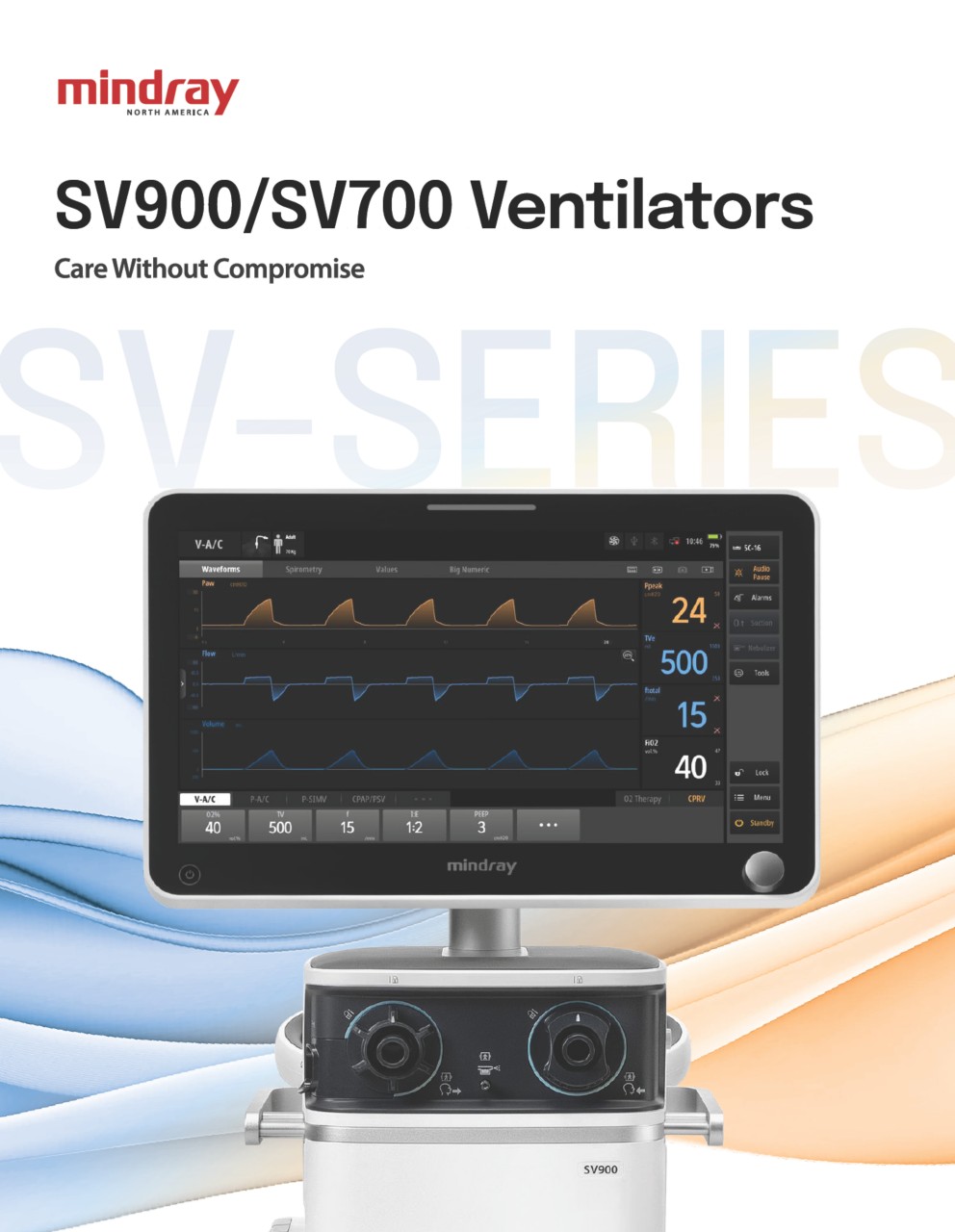
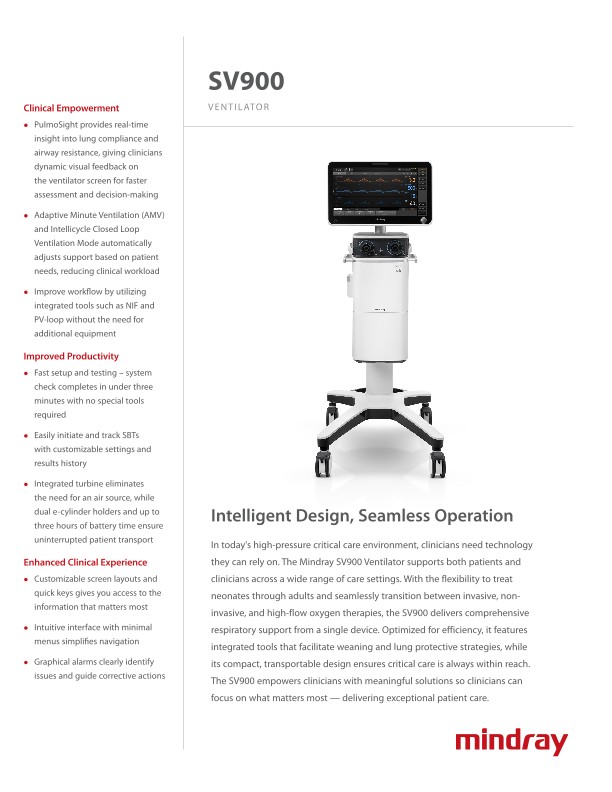
The SV900 ventilator is a fully configured system meeting the advanced clinical needs of high-acuity ICUs. Built for adaptability, flexibility, and efficiency, the SV900 supports patients of all ages and respiratory needs across diverse care settings.
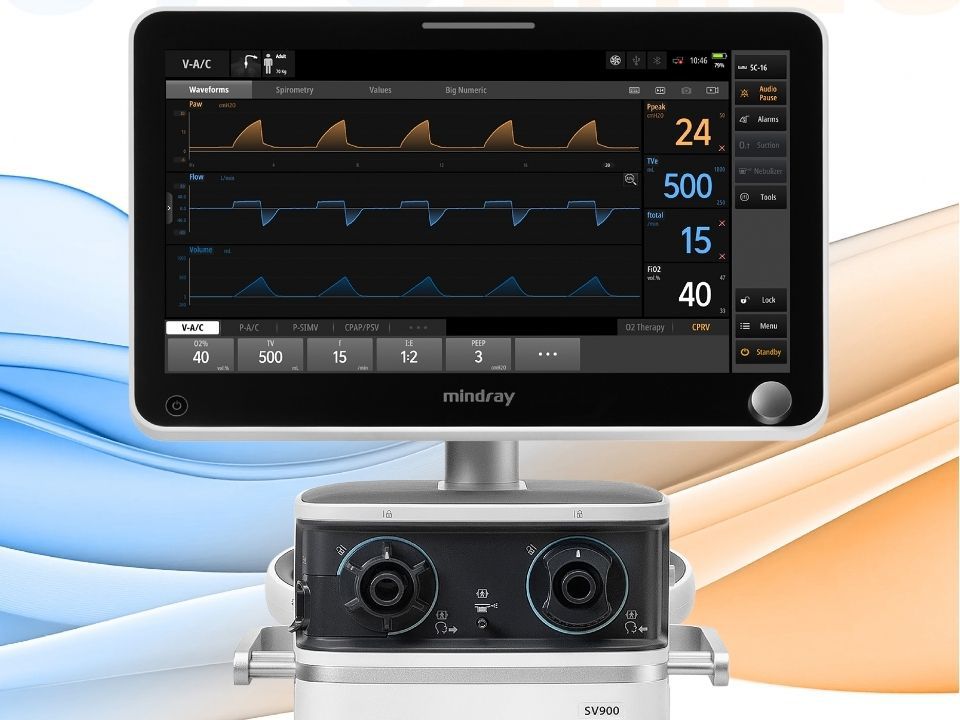
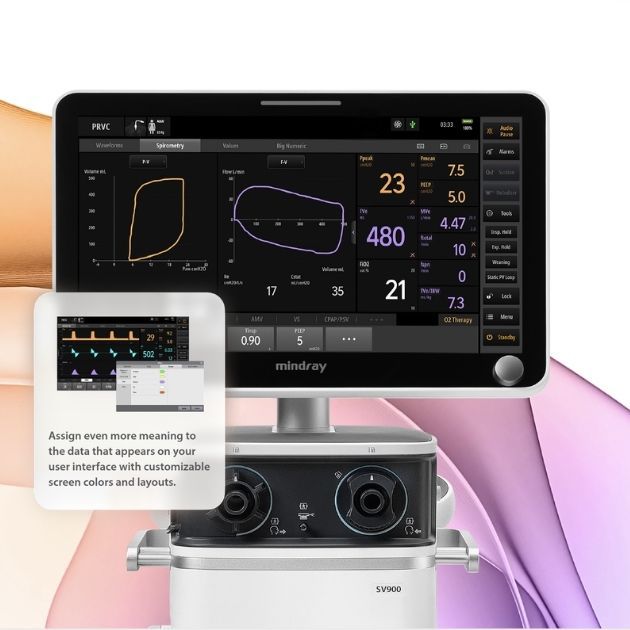
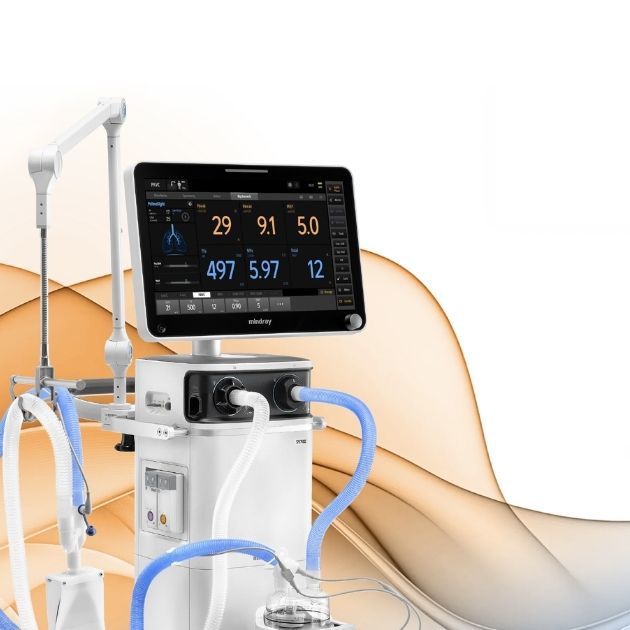
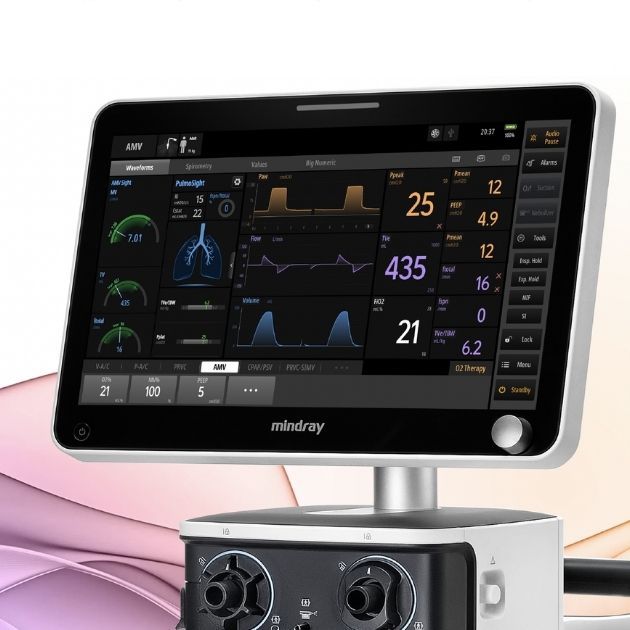
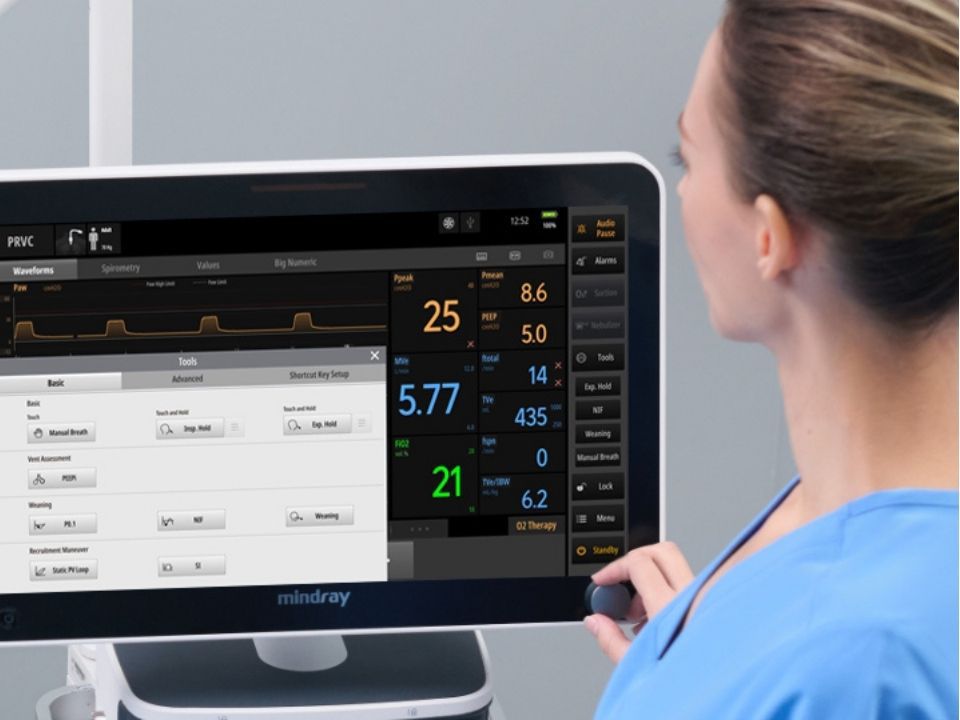
With an 18.5” customizable capacitive touchscreen, the SV900 offers an intuitive and streamlined user experience, empowering clinicians to deliver precise and effective care. As part of the SV-Series, it seamlessly integrates invasive, non-invasive, and high-flow oxygen therapies into a single device, simplifying workflows and ensuring the right level of support at every stage of recovery. Equipped with tools for weaning and lung-protective strategies, the SV900 enhances clinical decision-making and helps improve patient outcomes.
Adaptability
The SV-Series can be used with patients of all ages, from neonates to adults, and supports invasive, non-invasive, and high-flow oxygen therapy.
Assign even more meaning to the data that appears on your user interface with customizable screen colors and layouts.
Flexibility
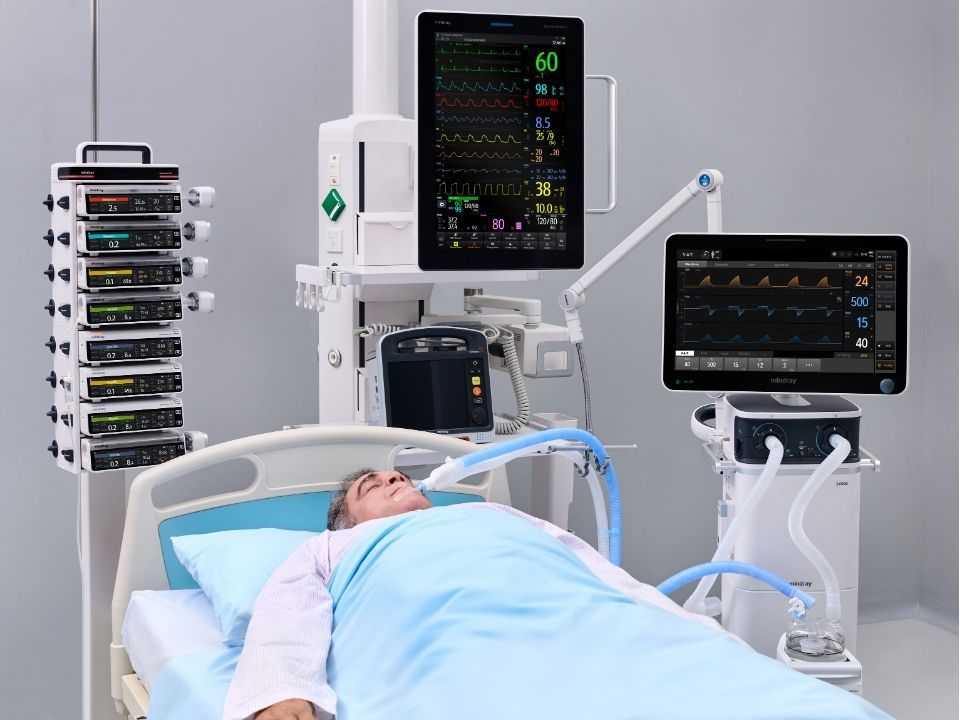
Meeting the needs of both patients and clinicians, the SV-Series is ready to perform and built to flex to your workflow.
The SV-Series adjusts to every level of patient care:
Efficiency
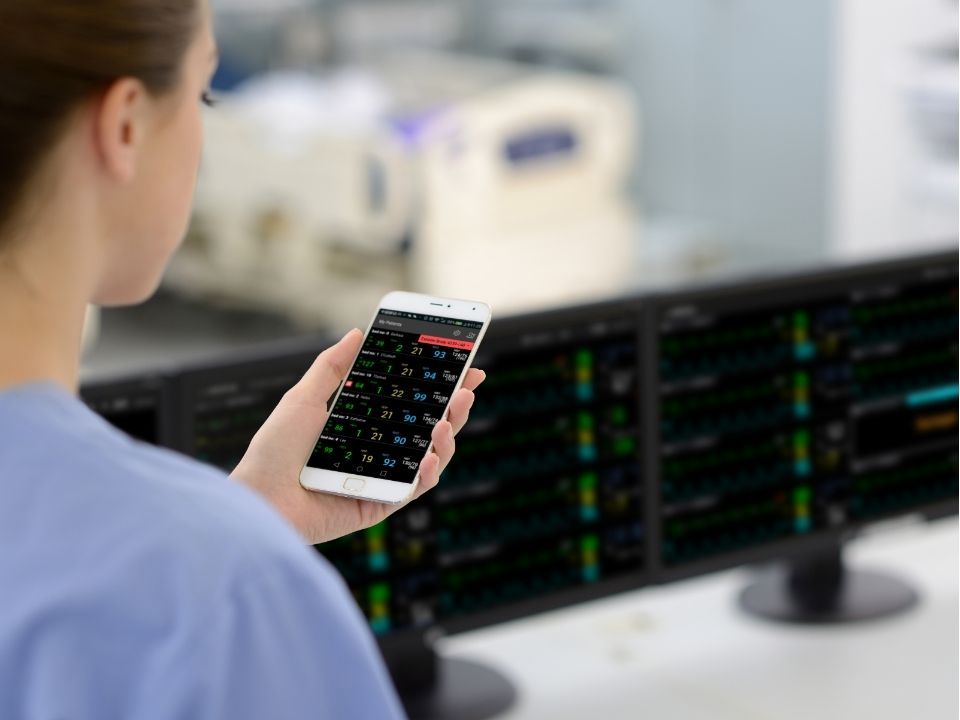
The SV-Series empowers clinicians with meaningful solutions so the focus stays on what matters most — delivering uncompromising care, at any stage.


Inside the Design
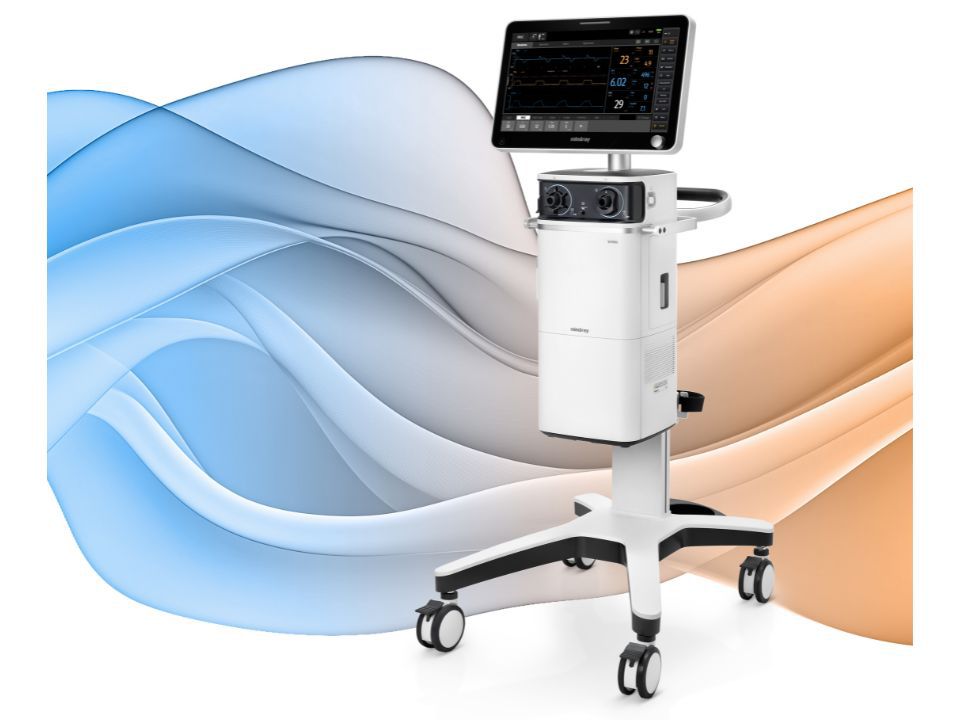
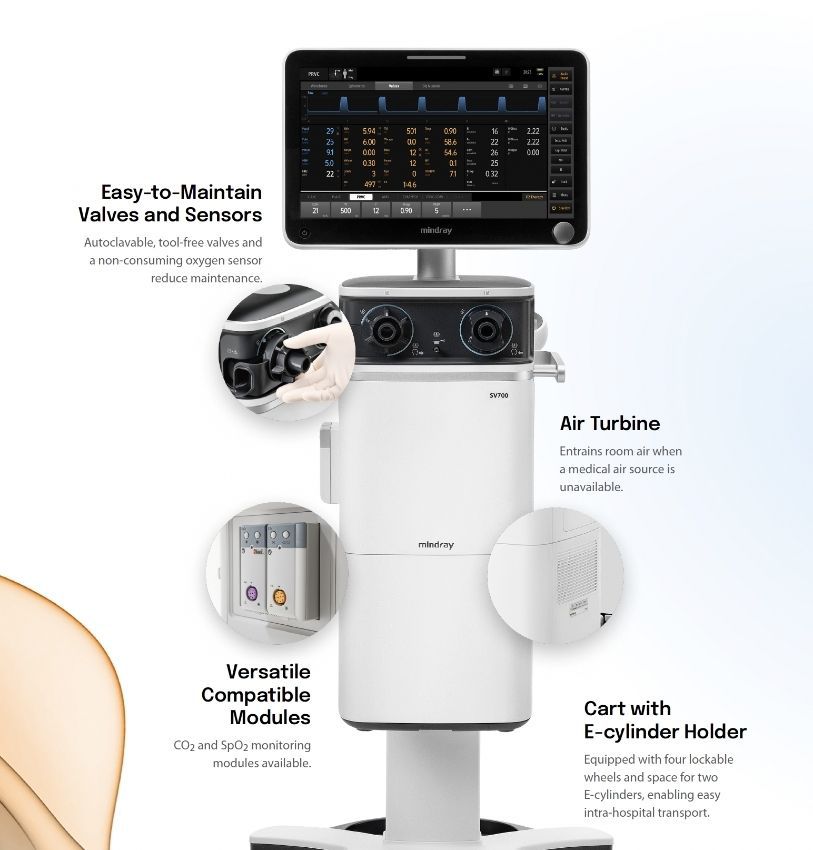
Where advanced technology meets clinical expertise. The SV-Series unites advanced technology with clinical intelligence to deliver deeper insight, more confident diagnosis, and truly personalized patient care.
When Breath is Critical, So is Our Support
Supporting healthcare professionals starts with our state-of-the-art technology, but that’s not where we stop.


Care Without Compromise
When care is non-negotiable, so is your technology.
We’re here to help you deliver uncompromising care — today and into the future. Mindray is proven worldwide, with more than 100,000 ventilators in use globally. That experience, driven by continuous innovation and quality, allows us to stand behind our products with an industry-leading warranty.
In addition to the initial three-year coverage, Mindray is committed to exceptional service post-sale. Options include:
- Biomedical Engineer Training
- Post-Warranty Service Offerings
- 24/7 Access to Mindray Certified Field Service Engineers

The ventilator delivers a set tidal volume with each breath. Breaths can be patient triggered or time triggered, but every breath delivers the same preset volume.
Provides a set number of mandatory breaths with a preset tidal volume, but allows the patient to breathe spontaneously between them.
Spontaneous breaths are a variable volume that is supported with pressure support.
Each breath delivers a preset inspiratory pressure with a variable volume. The volume delivered is dependent on the compliance and resistance of the lungs.
Mandatory breaths are delivered at a preset pressure; spontaneous breaths are assisted with pressure support.
A dual control mode in wich a rate and target tidal volume are set, the ventilator automatically adjusts the pressure breath to breath to achieve the target volume, but does not exceed the pressure limit.
SIMV mode using PRVC guidelines for mandatory breaths, where spontaneous breaths are supported with the set pressure support
A fully spontaneous mode. You set a target tidal volume, and the ventilator adjusts the pressure support level to achieve it.
A mode with a prolonged high pressure (CPAP) that promotes lung recruitment to help improve oxygenation, with a short release phase for CO2 removal. Allows for spontaneous breathing at any pressure level.
Delivers positive airway pressure at two pressure levels. Spontaneous breathing can occur at either pressure, but pressure support can be added to spontaneous breaths during the low pressure phase.
Closed-loop ventilation mode that automatically adjusts tidal volume, respiratory rate, inspiratory time, and pressure support to maintain a target minute volume. This mode automatically reduces the amount of support provided to the patient, essentially weaning them off the ventilator.
- CPAP: Patient breathes spontaneously with a constant pressure
- PSV: Every spontaneous breath is assisted with a preset pressure to reduce the work of breathing
Similar to invasive P A/C, but optimized for mask ventilation with leak compensation.
SIMV pressure mode using a non-invasive interface.
Mask-based CPAP or pressure support for patients with intact spontaneous breathing.
NIV mode is often used for sleep apnea or respiratory insufficiency.
Provides:
- Spontaneous breaths with pressure support
- Timed - backup breaths if the patient does not trigger the minimum frequency set
Non-invasive version of APRV for high PEEP support via a mask.
Continuous positive airway pressure delivered via nasal prongs or mask. The set pressure is held throughout the breathing cycle, the patient determines their own frequency and tidal volume.
Ability to deliver up to 60L and 100% oxygen
Allows clinicians to initiate a spontaneous breathing trial (SBT) from any active ventilator mode. The clinician enters in desired PSV settings and duration of the SBT along with minute volume and respiratory rate limits.
When the SBT either reaches the preset duration or the patient fails the SBT by going outside the criteria limits, the ventilator will automatically revert the patient back to their previous mode of ventilation and generate the results in the history tab within the weaning tool.
Measures the patient’s inspiratory muscle strength — important for weaning readiness.
Measures the drop in airway pressure during the first 100 ms of the patient’s inspiratory effort. This can be used to monitor respiratory drive.
Measures the pressure in the lungs at the end of exhalation. The PEEPi tool will provide the measurement for three parameters, PEEPi, PEEPtotal and Vtrap (trapped gas volume).
Diagnostic maneuver to assess lung compliance and help guide optimal PEEP and monitor for overdistention.
Applies sustained pressure to open collapsed alveoli
Ability to monitor esophageal pressures to obtain transpulmonary and transthoracic pressures to help clinicians determine proper PEEP settings.