This blog answers frequently asked questions such as:
General anesthesia combines drug classes to achieve unconsciousness, analgesia, and muscle relaxation through GABA receptors and inhibition of excitatory neurotransmission, delivered via intravenous agents like propofol or inhalational agents like sevoflurane. Anesthesiologists continuously monitor vital parameters including heart rate, blood pressure, oxygen saturation, and end-tidal carbon dioxide throughout induction, maintenance, and emergence. Mindray's perioperative monitoring solutions support anesthesia teams in tracking patient safety throughout surgical procedures and recovery.
What is general anesthesia?
General anesthesia is a combination of medications that puts a patient in a sleep-like state before a surgical procedure. While the anesthetized state is sometimes referred to as a “deep sleep,” the effect on the body is different than natural sleep. Under anesthesia, the body enters a state of medically induced unconsciousness.
General anesthesia interrupts nerve signals between the body and brain, preventing the brain from processing pain and recollecting the events during the surgery. This is what makes general anesthesia different from normal sleep.
Who administers general anesthesia to a patient?
A hospital’s anesthesiologist is in charge of administering general anesthesia to patients before surgery and managing patient care during and after surgery with the help of a nurse anesthetist and other clinicians.
How is general anesthesia administered to a patient?
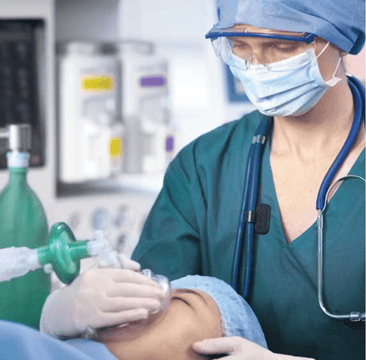
An anesthesiologist may administer general anesthesia before a patient’s surgery through an IV line inserted into the vein of the arm or hand. Instead of an IV, they may use an anesthesia machine to sedate the patient. When an anesthesia machine is used, the patient breathes in gas through a mask.
How is general anesthesia different from other types of anesthesia?
General anesthesia affects the whole body, including the brain. Other common types include regional and local anesthesia. Regional anesthesia affects a large area of the body to remove sensation. The most commonly known form of regional anesthesia is an epidural, which is used to numb sensation in the lower half of the body during childbirth.
Local anesthesia is used for a much smaller part of the body and can be achieved with injected medications like lidocaine or numbing creams. Clinicians may use this type for applying sutures to a small wound.
A person remains conscious for regional and local anesthesia. Typically, patients can still feel some sensation in the anesthetized areas, but they will not feel pain.
What happens after a patient is administered general anesthesia?
When a patient is administered general anesthesia, they become unconscious within minutes. Once unconscious, the anesthesiologist may intubate the patient by inserting a tube through the mouth and into the windpipe. The tube is necessary for most major operations under general anesthesia, allowing the patient to receive oxygen during surgery.
During surgery, the anesthesiologist monitors the patient’s temperature, heart rate, blood pressure, blood oxygen level, body fluids, and many other vital signs to ensure the patient’s safety. Throughout the course of anesthesia, the patient will remain immobile and be unable to feel pain. The anesthetized state also keeps the muscles relaxed, making it easier for the surgeon to operate.
How is a patient woken up from general anesthesia?

Once the surgery is completed, the anesthesiologist will stop administering general anesthesia medicines to the patient. The next step occurs when a patient is transported to a recovery room where they will wake up. The anesthesiologist works to ensure that the patient is not in pain or experiencing problems from the procedure or adverse effects from the anesthesia.
Recovery time can vary for each person, but clinicians will continue to monitor a patient as they come to. When a patient is responsive, clinical teams will move them to a room for inpatient stays or prepare them for discharge in the case of outpatient surgery.
When is general anesthesia needed?
Anesthesiologists will administer general anesthesia to the patient if the procedure takes longer than an hour, affects the patient’s breathing, involves a large area of the body or a major organ, or if the procedure will cause significant blood loss to the patient.
When is general anesthesia not needed?
The doctor may decide not to use general anesthesia if the surgery is minor. Minor surgical procedures include endoscopic browlifts, eyelid surgery, and lip augmentation. For similar reasons, general anesthesia might also not be needed if the procedure affects a small portion of the body.
Rather than administering general anesthesia, doctors might use local or regional anesthesia. Local anesthesia prevents pain in a small, specific body area during surgery. Regional anesthesia is designed to numb a more extensive body area, such as the spinal canal, during an epidural block. When both types of anesthesia are administered, the patient is typically awake during surgery.
How does a patient prepare for general anesthesia?
Before surgery, the anesthesiologist or nurse anesthetist, along with the patient’s doctor, will review the basics of surgery and what to expect.
The patient will be informed about possible complications and will be asked to share their medical conditions, disclose any over-the-counter medications or herbal supplements they are taking, if they have ever had a reaction to anesthesia during surgery, or have any known allergies to specific foods or drugs. It’s also routine for the patient to be asked if they smoke, drink alcohol, or take any prescribed or recreational drugs.
Patients are advised not to eat or drink anything but water at least 8 hours before surgery. General anesthesia relaxes the muscles. If the stomach has food or drink in it, there is a risk of vomiting. The patient may need to stop taking medicines like aspirin or blood thinners a week before surgery, as these medications can cause uncontrolled bleeding during surgery.
What are the risks and side effects of general anesthesia?
Nausea, vomiting, dry mouth, sore throat, and hoarse voice are common side effects of general anesthesia. The patient may also feel drowsy when they wake up after a procedure. General anesthesia’s other side effects include sleepiness, shivering, muscle aches, and itching. In some cases, especially with older patients, a complication known as delirium may develop, but in most cases, it is transient and reversible.
Will general anesthesia affect a patient’s memory?After general anesthesia, trouble with memory is common in patients who have Alzheimer’s disease, Parkinson’s, heart disease, or even lung disease. General anesthesia is safe for most people. However, it carries a greater chance of complications if the patient is obese, elderly, has high blood pressure, has heart or lung disease, suffers from epilepsy, diabetes, or kidney disease.
Does Mindray North America supply anesthesia machines to healthcare facilities?
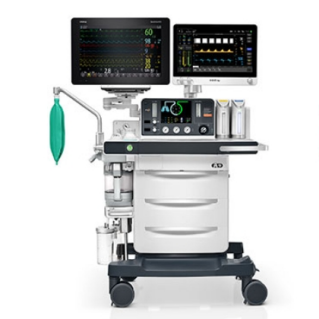
Yes, Mindray supplies healthcare facilities with a range of technologically advanced Anesthesia Machines. Our portfolio of solutions supports clinical needs for all acuity levels across the continuum of care.
A-Series Anesthesia Delivery Platform
Learn more about the intelligent technology behind the A-Series Advantage Anesthesia Machines:
- A4 Advantage Anesthesia Machine: The A4 Anesthesia Machine is a highly flexible solution for many healthcare facilities. Standard ventilation modes include manual breathing, volume control, and expanded pressure support with CPAP
- A5 Advantage Anesthesia Machine: A step above the A4 Advantage, the A5 Anesthesia Machine offers more ventilation modes to provide care for a wider range of patients, from neonates to bariatrics. Standard modes include the A4 Advantage's functions alongside positive crankcase ventilation (PCV) and synchronized intermittent mandatory ventilation (SIMV)
- A7 Advantage Anesthesia Workstation: The A7 Anesthesia Machine is ideal for mid-to-high acuity patients with electronic fresh gas control technology, ensuring precision flow dynamics. This machine uses recycled gas to improve cost-effectiveness and features optional ventilation modes like cardiac bypass and spirometry loops
A8 Anesthesia Workstation and A9 Anesthesia Workstations

The A8 and A9 offer more advanced features for Intensive Care Unit (ICU)-level ventilation capabilities:
- A8 Anesthesia System: Ideal for difficult airway management, the A8 Anesthesia Machine includes an integrated High flow nasal cannula (HFNC) for easier intubation. An innovative Volume exchanger (VE) delivers highly precise ventilation, from adults to neonates
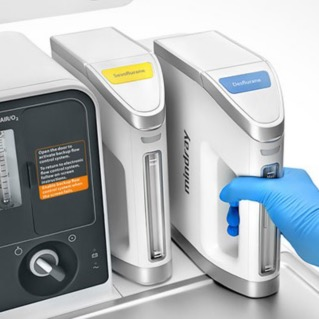
- A9 Anesthesia System: The A9 Anesthesia Machine takes the A8's features further with on-screen controls for electronic vaporizers. Anesthesiologists have access to safe and precise agent delivery, while the vaporizer alarm notifies clinicians when the agent is low
Choose the Mindray Advantage
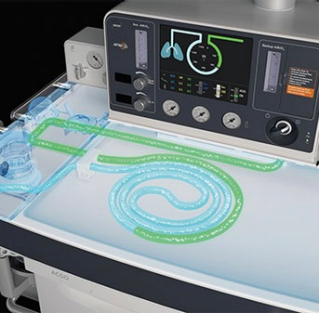
Mindray serves the anesthesia needs of clinicians across healthcare settings. Our systems support patient safety with features like auxiliary O2/air mixers to reduce airway fire and warmed breathing systems to minimize internal condensation. Additionally, all systems come with a robust battery backup.
Beyond safety and performance, we understand your workflow and cost requirements. With HL7 connectivity, our machines interface directly with hospital systems and EMRs to save time and money on costly integrations. Our A-Series Systems also come with a 3-year warranty to protect your investment.
Contact our team to learn more about our solutions and find the right one for your requirements and budget.