Asynchrony Events Statistic
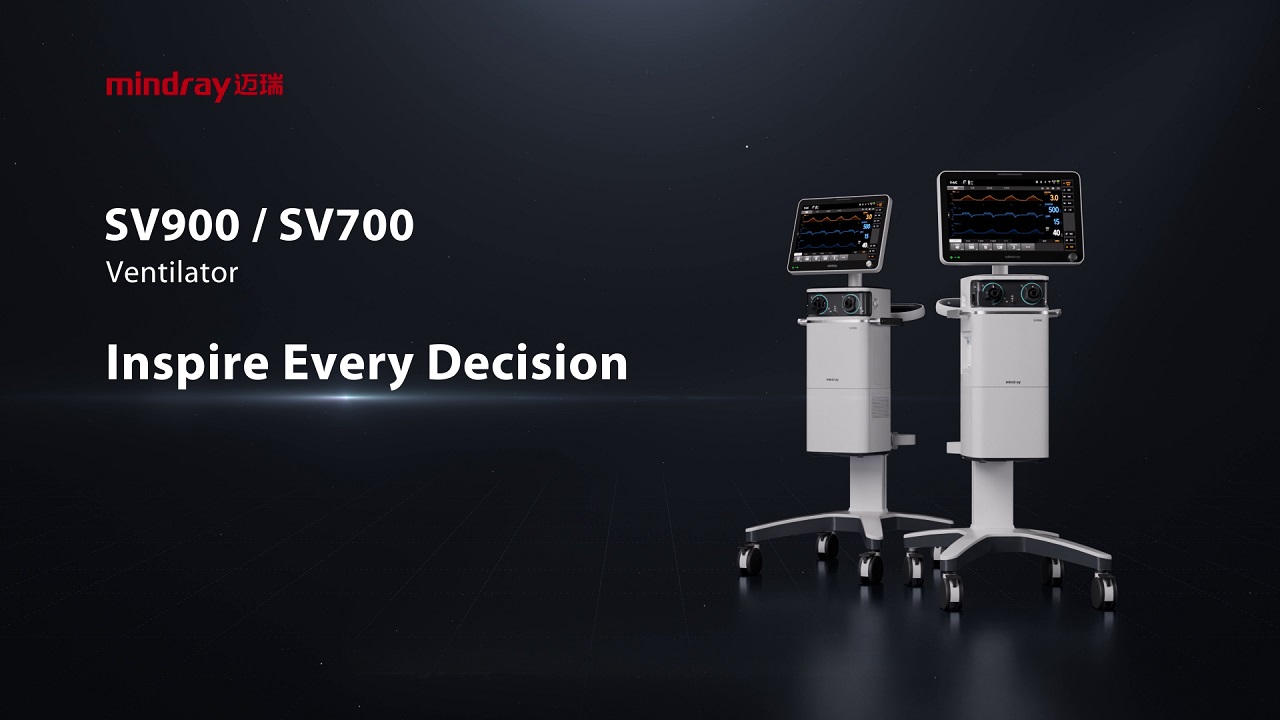
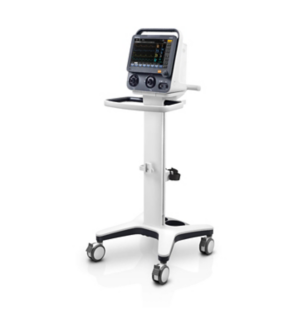
SV900/SV700
Real-time Monitoring, Adaptive Ventilation, Predictive Analytics
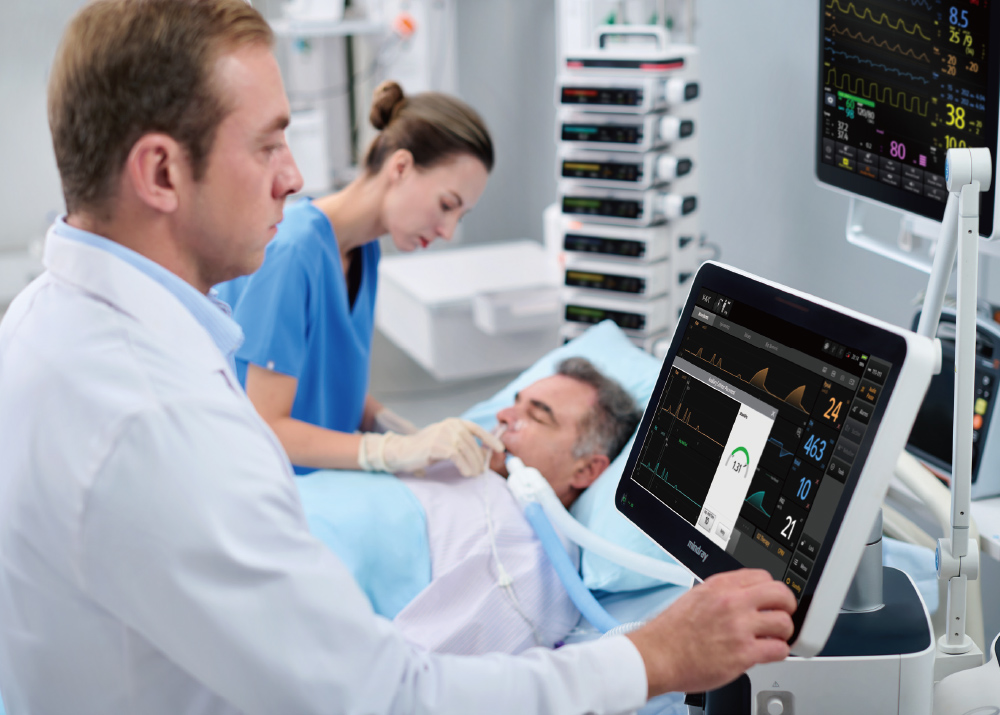
The SV900 ventilator combines real-time monitoring, adaptive ventilation, and predictive analytics to improve lung protection, optimise patient-ventilator interaction, and support clinical decisions throughout the ICU therapy cycle.
With clinically-validated asynchrony recognition, non-invasive respiratory effort monitoring, intelligent weaning assessment, and modular EIT integration, the SV900/SV700 empowers clinicians to provide individualised, evidence-based ventilation therapy in complex critical care.
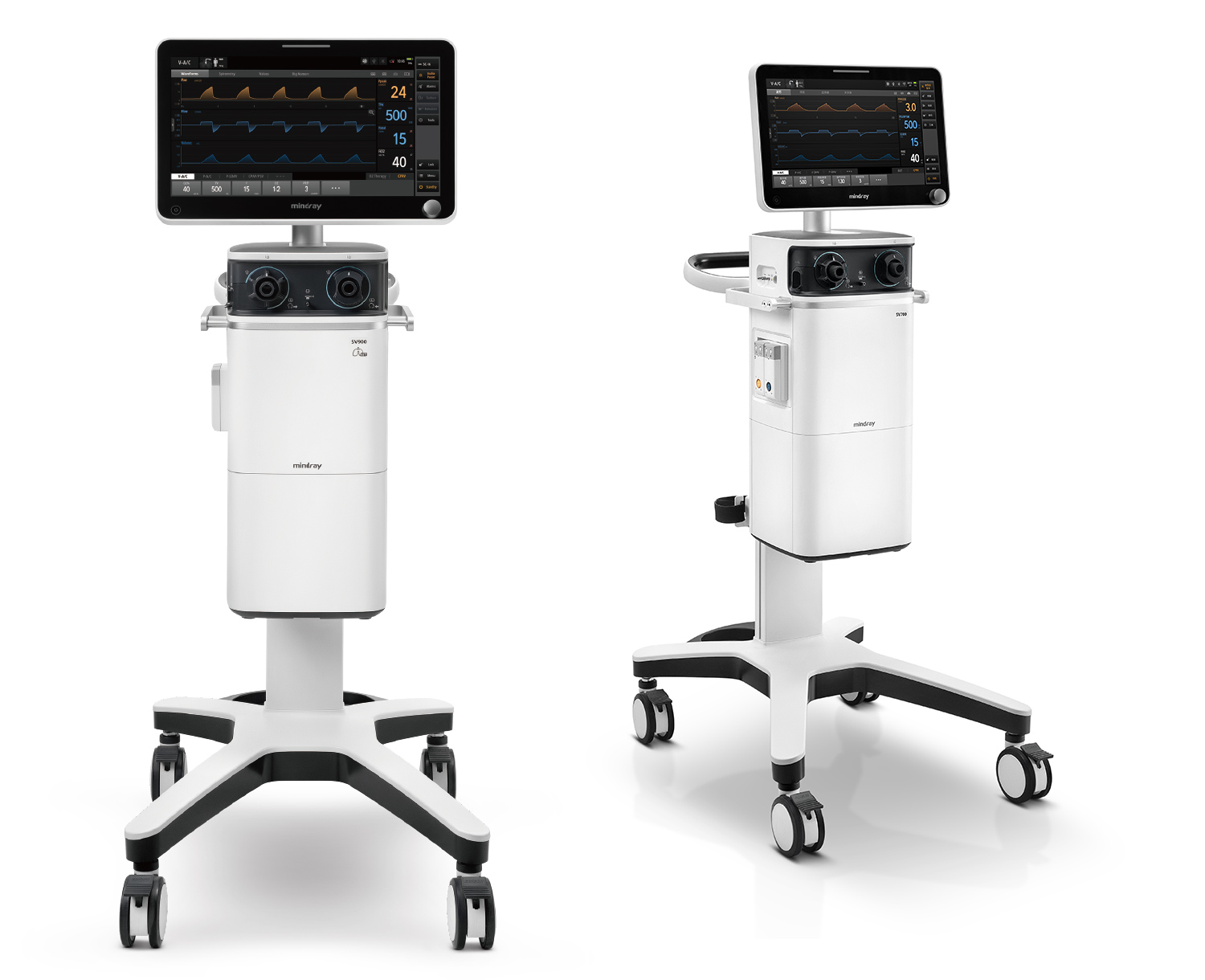
A high-end ventilator harnesses advanced technology and clinical expertise to enhance comprehensive diagnosis and individualized treatment.

Comprehensive Lung Protection
Advanced monitoring parameters with intelligent alerts that enable individualised protection against ventilator-induced lung injury.

Intelligent Clinical Decision Support
Data-driven insights and predictive analytics supporting confident decisions from initial settings through weaning.

Optimised Patient-Ventilator Synchrony
Intelligent recognition of asynchrony events with targeted adjustment suggestions that reduce complications and improve patient comfort.
Comprehensive Lung Protection
Ventilator-induced lung injury (VILI) remains a critical challenge in mechanical ventilation, increasing ICU mortality from 39% to 51%.[1] The SV900/SV700 provides individualised protection through advanced monitoring parameters, intelligent alerts, and real-time respiratory mechanics assessment.
Real-time Mechanical Power Monitoring
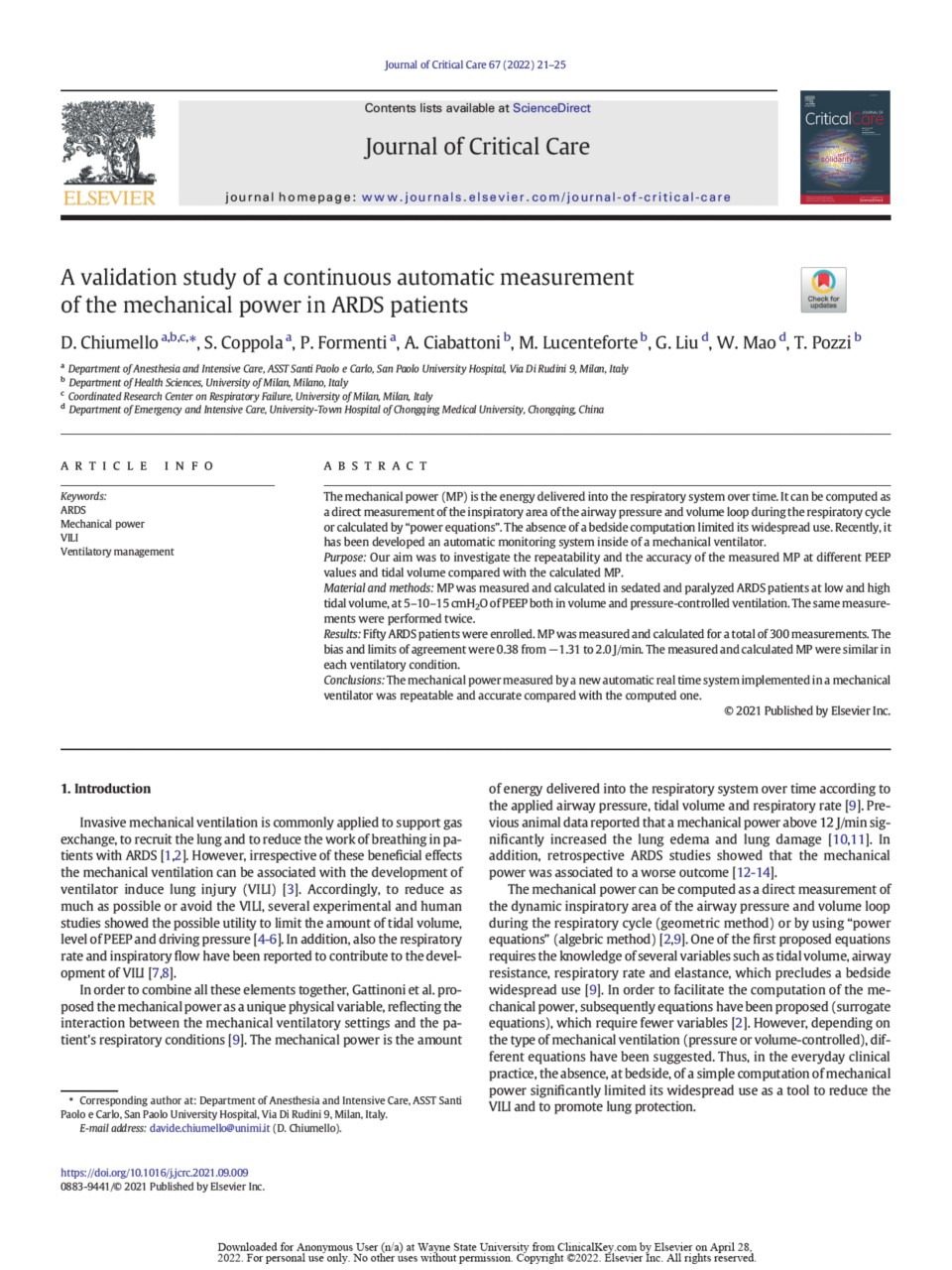
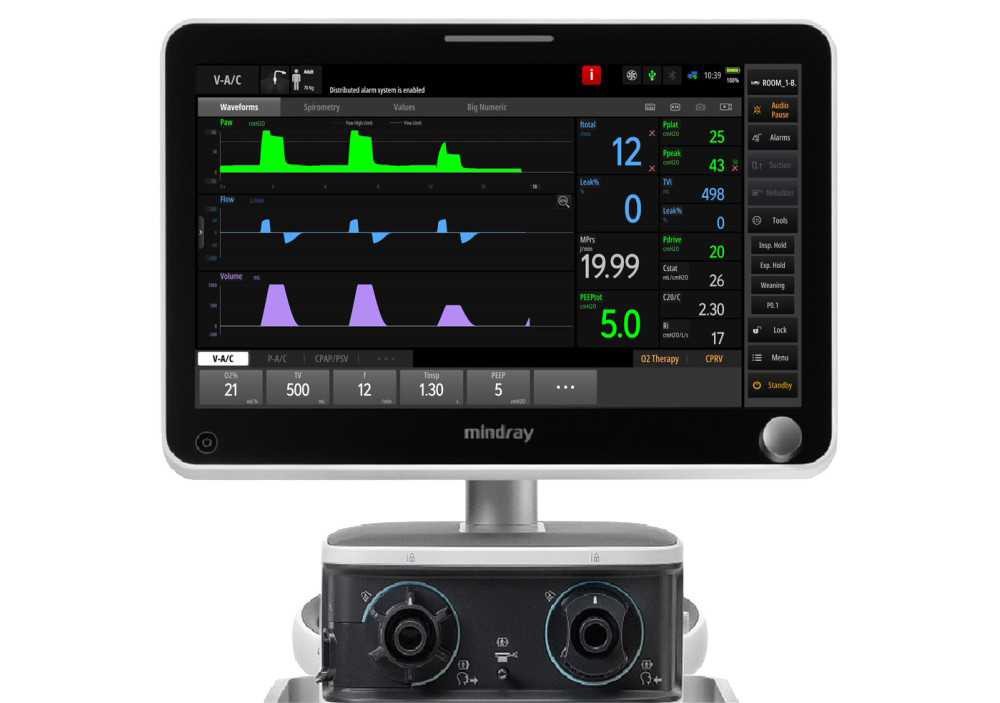
Mechanical power quantifies the total energy transferred from the ventilator to the lungs per minute, providing a comprehensive assessment of VILI risk. The SV900 calculates mechanical power continuously in real time, enabling early detection of injurious ventilation and timely protective intervention.
Clinical validation across 50 ARDS patients in both volume- and pressure-controlled ventilation demonstrated strong agreement with standard calculated methods (R²=0.98; bias 0.38 J/min).[2]
Auxiliary Pressure Solution
Oesophageal pressure (Pes) and transpulmonary pressure (Ptp) are critical for optimising lung-protective ventilation. The SV900/SV700 offers integrated, convenient, and precise Pes/Ptp monitoring with a dedicated catheter featuring automatic position detection, baseline correction, and cardiac artifact filtration.
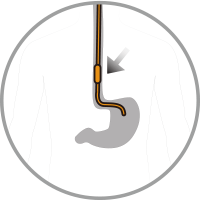
Auxiliary catheter placement:
Guide Pes balloon positioning.

Baseline correction:
Correct Pes baseline deviation.
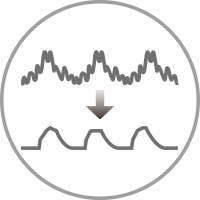
Waveform filtration:
Remove disturbance of cardiac noise.
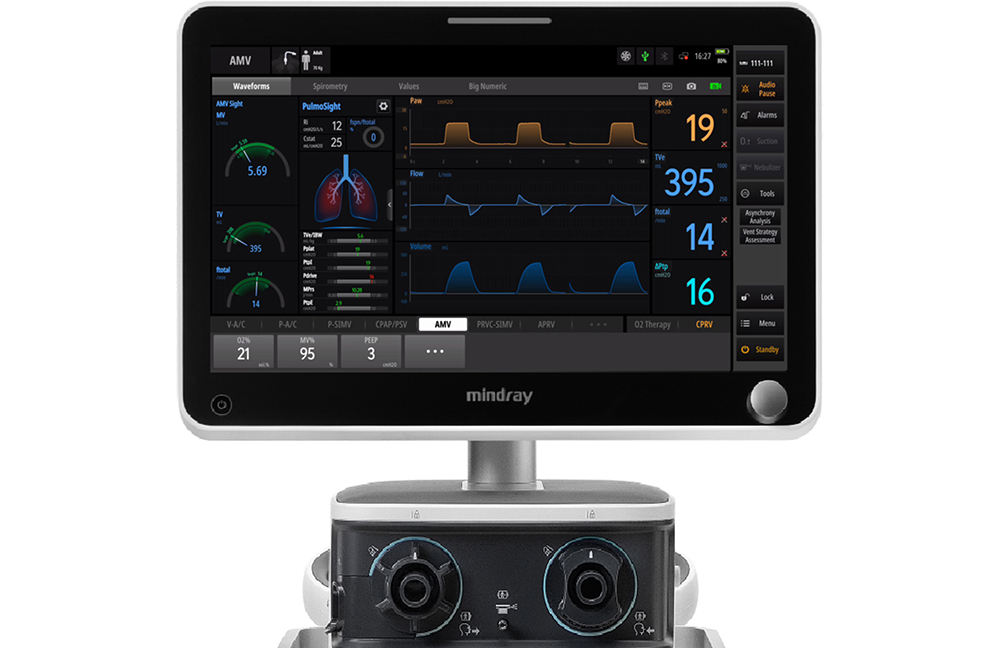
PulmoSight™ Pro
The integrated PulmoSight Pro dashboard graphically displays advanced monitoring parameters including driving pressure, mechanical power, resistance, and compliance in real time. Combined with dynamic short trends, it enables clinicians to monitor and evaluate changes in the patient’s respiratory status and identify lung injury risk at a glance.
Optimised Patient-Ventilator Synchrony
Patient-ventilator asynchrony affects 10-85% of mechanically ventilated patients, increasing mortality and prolonging ventilation duration.[3] The SV900/SV700 combines intelligent asynchrony recognition with adaptive ventilation modes to detect, analyse, and resolve synchrony events in real time.
Five-type Asynchrony Recognition
Asynchrony Analysis Features
Intelligent Ventilation Modes
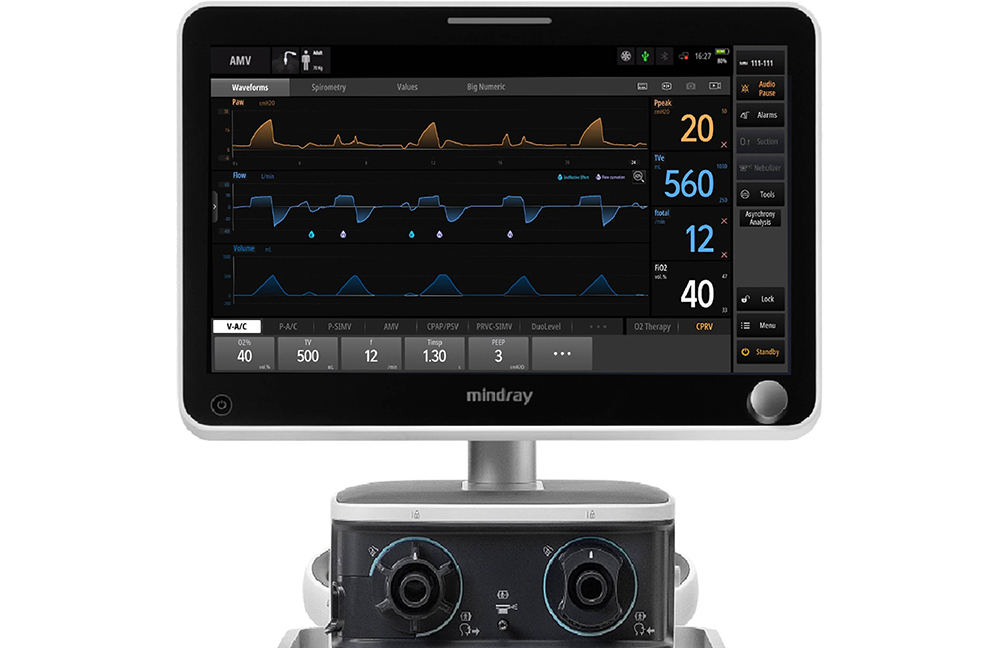
Five-type Asynchrony Recognition
The SV900/SV700 integrates clinical research, big data modelling, and continuous waveform analytics to identify five types of patient-ventilator asynchrony in real time:
- ineffective effort
- double triggering
- flow starvation
- auto-triggering
- and reverse triggering
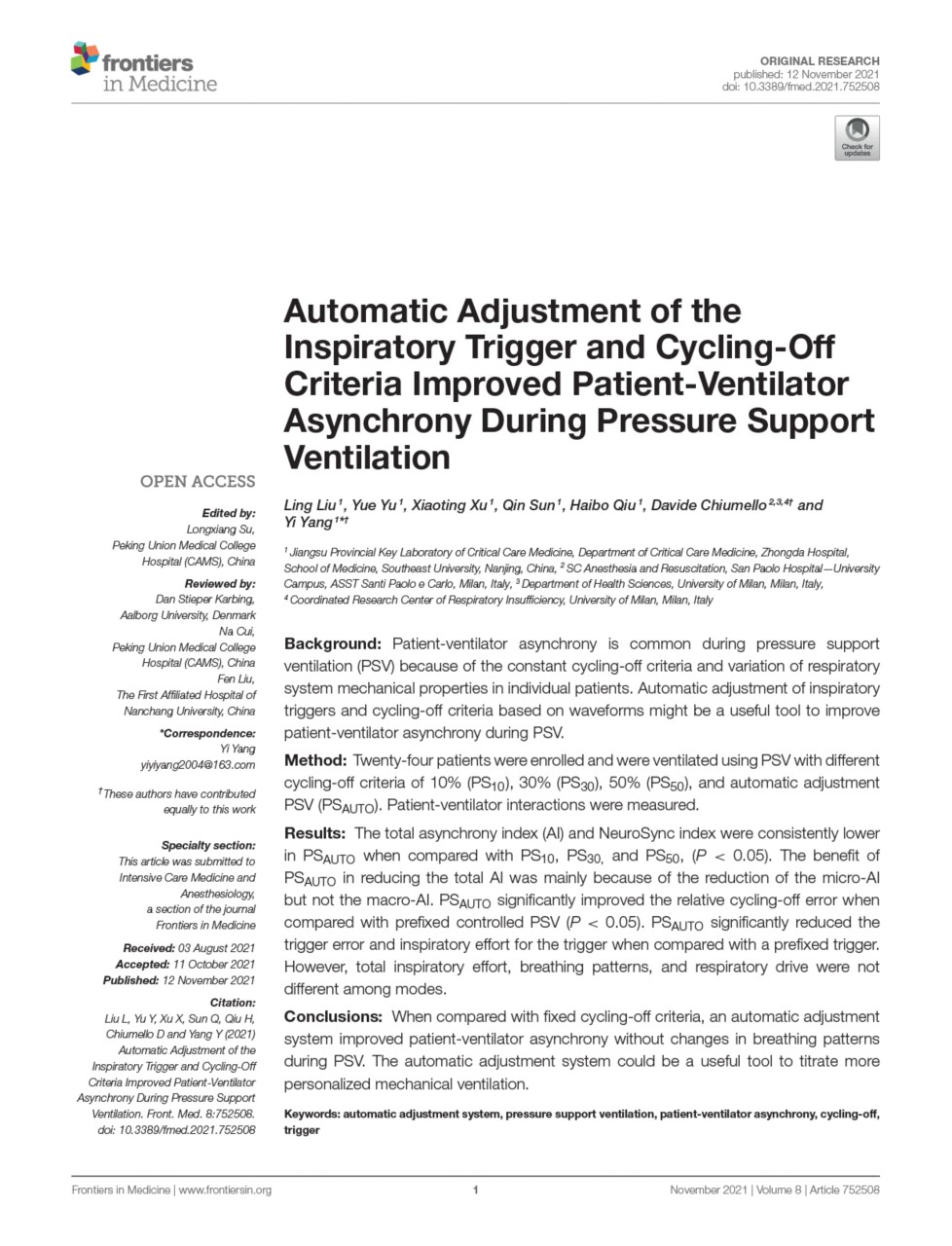
Clinical studies in 24 patients demonstrated significant reductions in total asynchrony index, with improvements in both trigger timing and cycling-off errors compared to fixed settings.[4]
Asynchrony Analysis Features
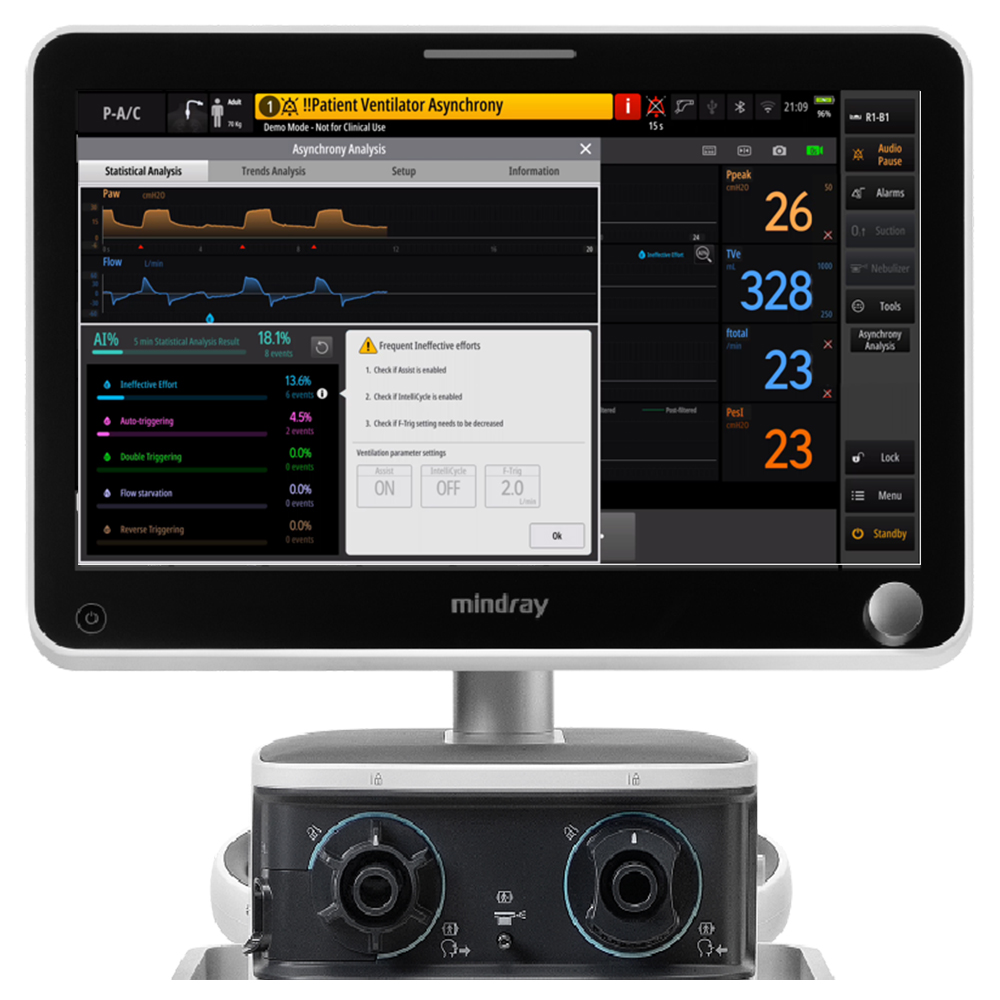
Asynchrony Events Statistic:
Comprehensive overview of detected asynchrony events and
their distribution.
Key Asynchrony Analysis:
Identification of the predominant asynchrony type
requiring intervention.
Targeted Adjustment Suggestions:
Algorithm-based recommendations to resolve specific
asynchrony types, reducing clinical trial-and-error.
Asynchrony Alarm:
Configurable alerts when asynchrony index exceeds
clinical thresholds.
Asynchrony Analysis:
Detailed breakdown of each event type with trend data.
Asynchrony Mark:
Real-time waveform labelling for intuitive visual
identification.
1
2
3
4
5
6
1
Comprehensive overview of detected asynchrony events and their distribution.
2
Key Asynchrony Analysis
Identification of the predominant asynchrony type requiring intervention.
3
Ventilation Adjustment Suggestion
Algorithm-based recommendations to resolve specific asynchrony types, reducing clinical trial-and-error.
4
Asynchrony Alarm
Configurable alerts when asynchrony index exceeds clinical thresholds.
5
Asynchrony Analysis
Detailed breakdown of each event type with trend data.
6
Asynchrony Mark
Real-time waveform labelling for intuitive visual identification.
Intelligent Ventilation Modes
SV900/SV700 integrates clinical research, and waveform analytics (Paw, Flow, Pes) to instantly identify diverse PVA patterns, providing real-time, continuous monitoring to optimize clinical intervention.
AMV™: An adaptive ventilation mode that automatically adjusts to patient status based on the Otis minimum breathing work principle. Adapting tidal volume, frequency, and inspiratory-to-expiratory ratio from mandatory to full spontaneous ventilation.
IntelliCycle™ Pro: Automatically adapts to the patient’s breathing pattern based on waveform analysis. Adjusting inspiratory trigger sensitivity, cycling-off criteria, and pressure slope to reduce work of breathing and avoid pressure overshoot or flow starvation.
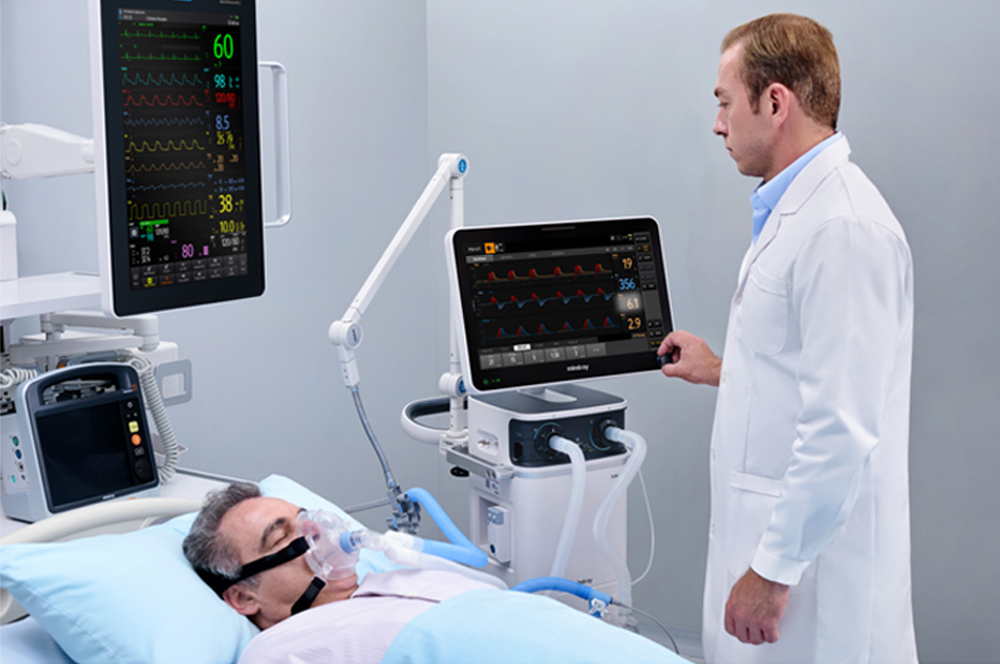
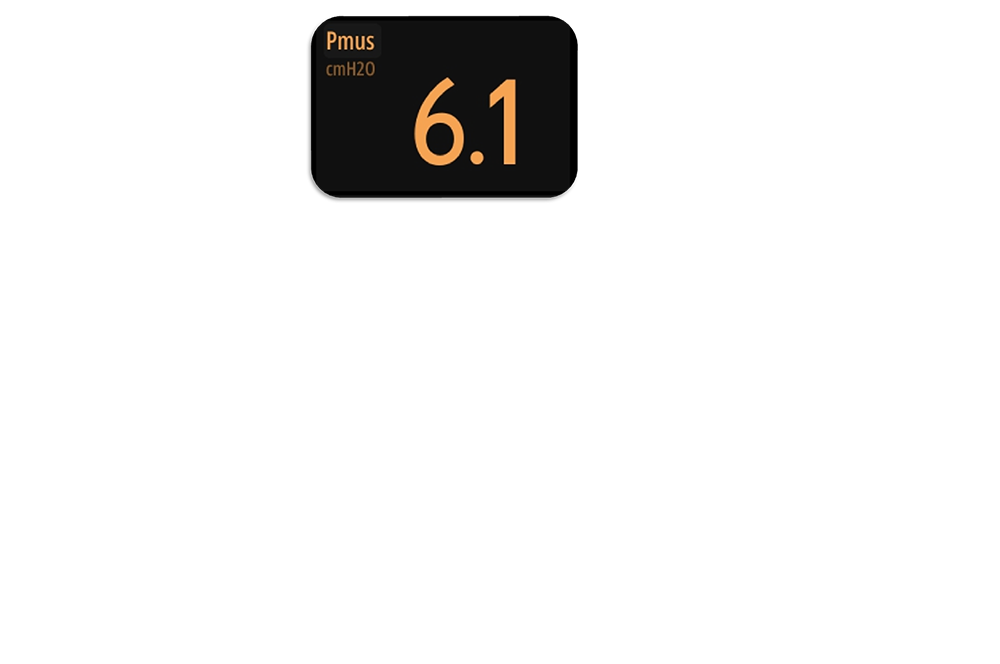
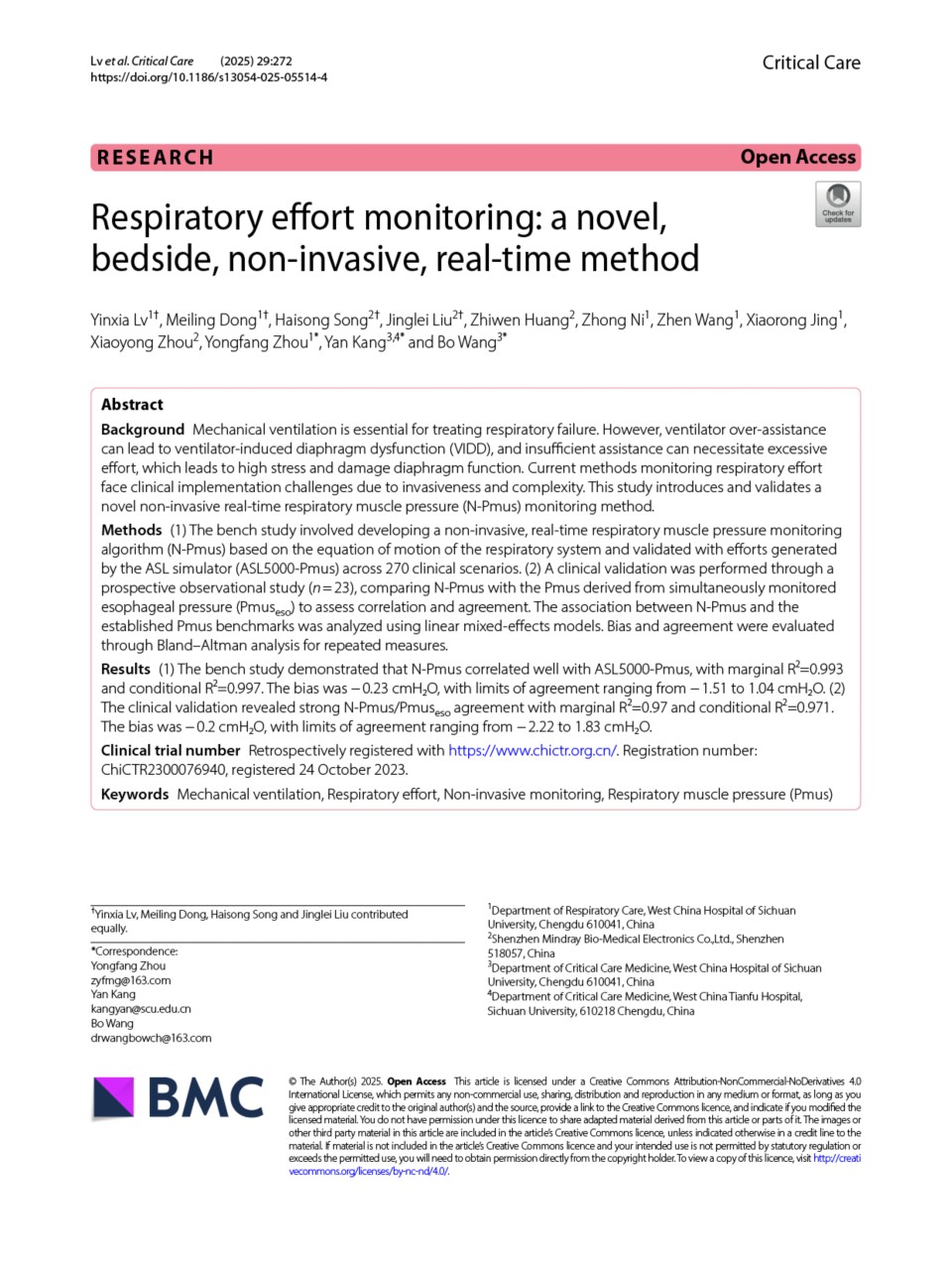
Non-invasive Respiratory Muscle Pressure (Pmus) Monitoring
The SV900/SV700 calculates respiratory muscle pressure (Pmus) automatically, enabling continuous assessment of breathing effort without catheters or additional accessories (R²=0.97).[5]
Intelligent Clinical Decision Support
The SV900/SV700 is equipped with intelligent tools designed to support decision-making throughout the ICU therapy cycle, empowering clinicians at every stage through to safe extubation.
Weaning Assessment Tool
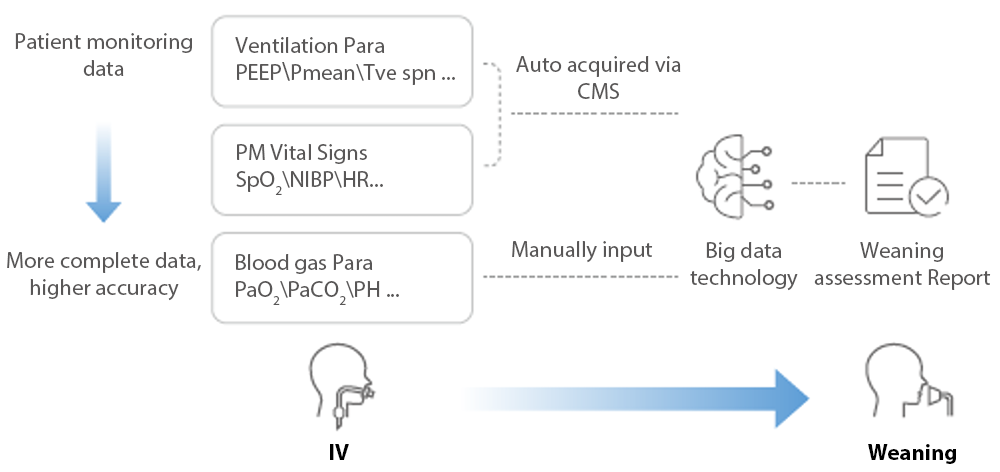
The SV900/SV700 employs multi-sourced parameters to assess weaning potential, combining ventilator data, patient monitor vital signs, and optional blood gas readings into an algorithm informed by data from established clinical databases.
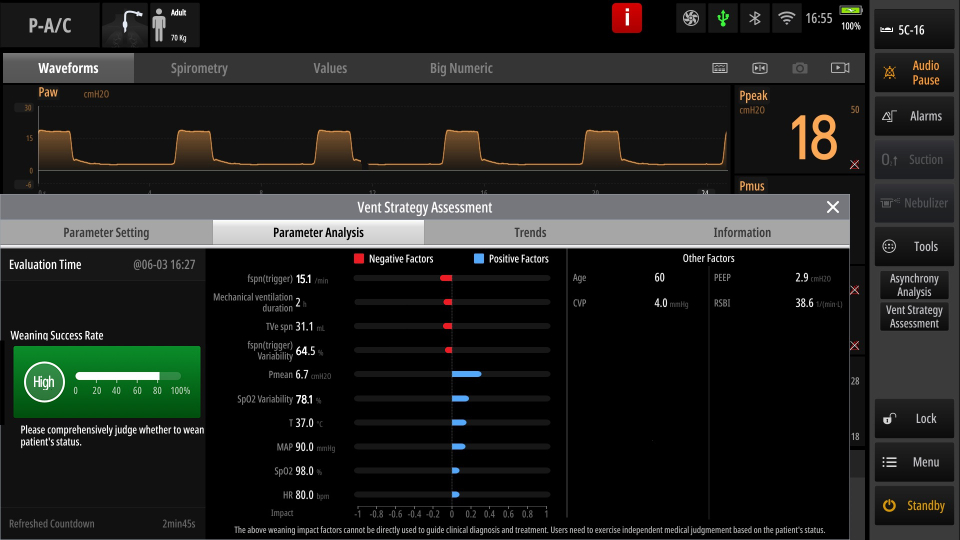
Intelligent Weaning Assessment
Continuous background assessment prompts clinicians at the earliest indication of weaning readiness, without interrupting treatment.*
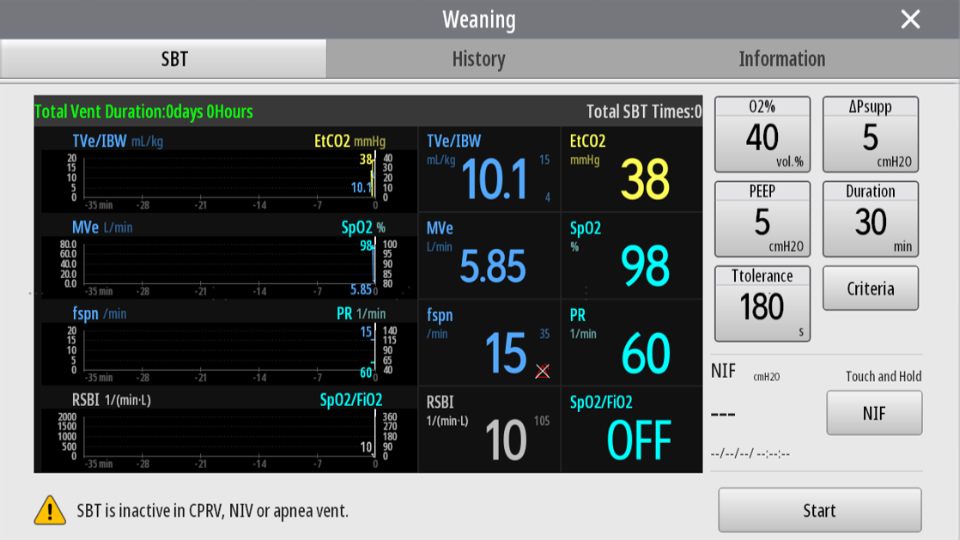
Spontaneous Breathing Trial (SBT)
Structured weaning trials with automatic monitoring, customisable protocols, and smart ventilation restoration for patient safety.
Modular EIT Integration
Plug-and-play electrical impedance tomography (EIT) integration with automatic PEEP titration and regional ventilation analysis. Bedside lung imaging without standalone EIT devices.
Sequential Ventilation Support
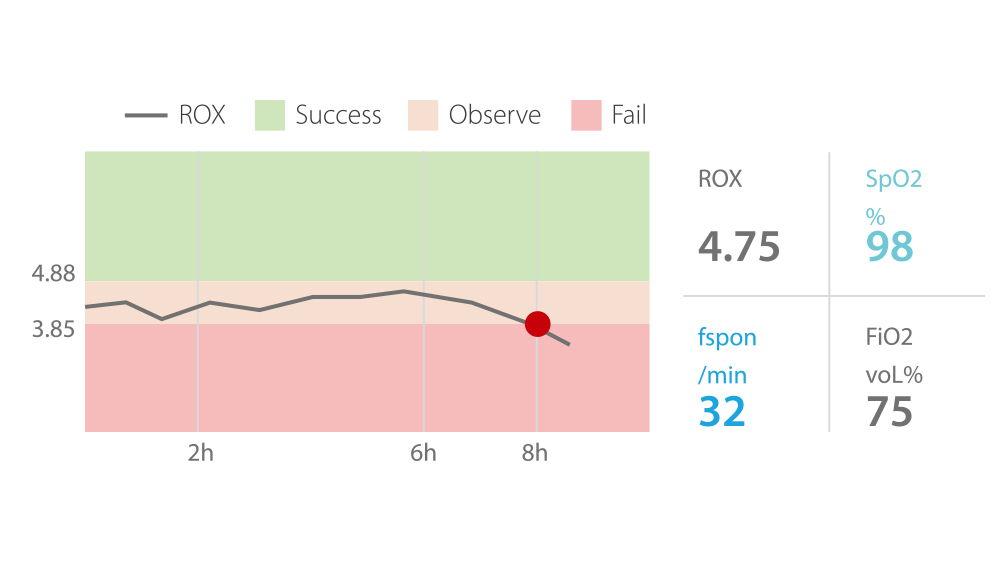
Seamless support from invasive ventilation through NIV to HFNC. HFNC Sight™ visualises ROX trends to evaluate post-extubation therapy success.
Optimal Workflow
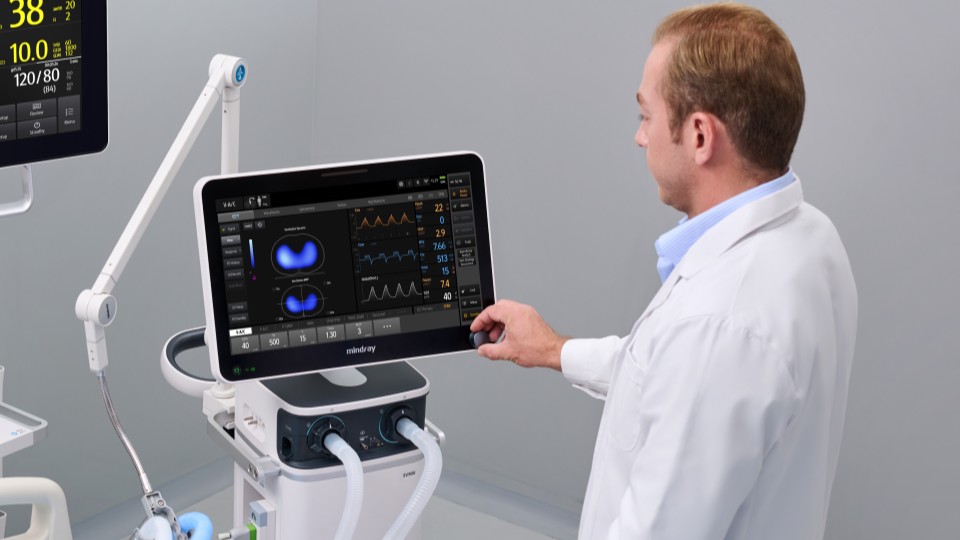
The SV900/SV700 is designed to minimise operational complexity, enabling clinicians to focus on patient care. Comprehensive connectivity supports seamless integration into existing hospital workflows.
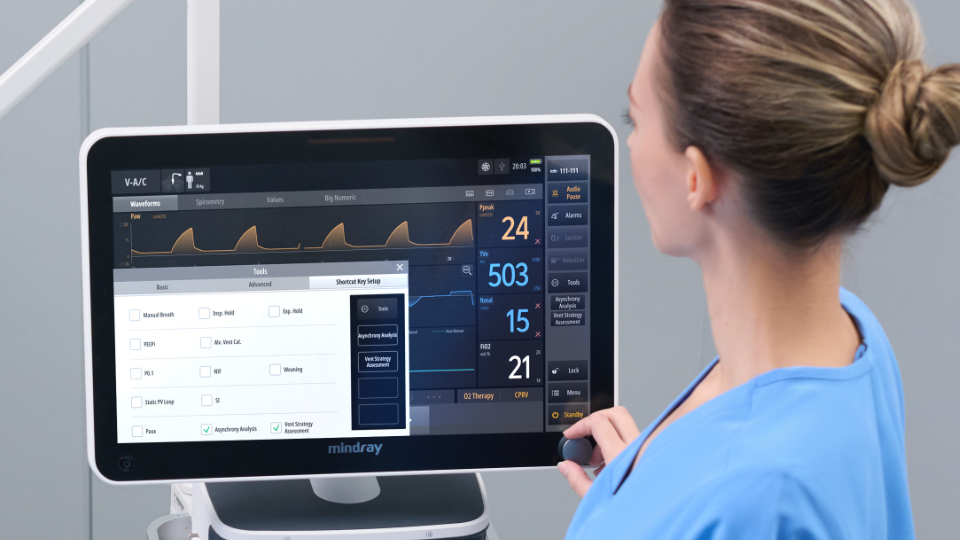
Easy to Operate
- Configurable screen layouts adapt to user preferences
- Graphical guidance and intuitive adjustment suggestions that reduce the learning curve and support efficient decision-making.
Easy to Maintain
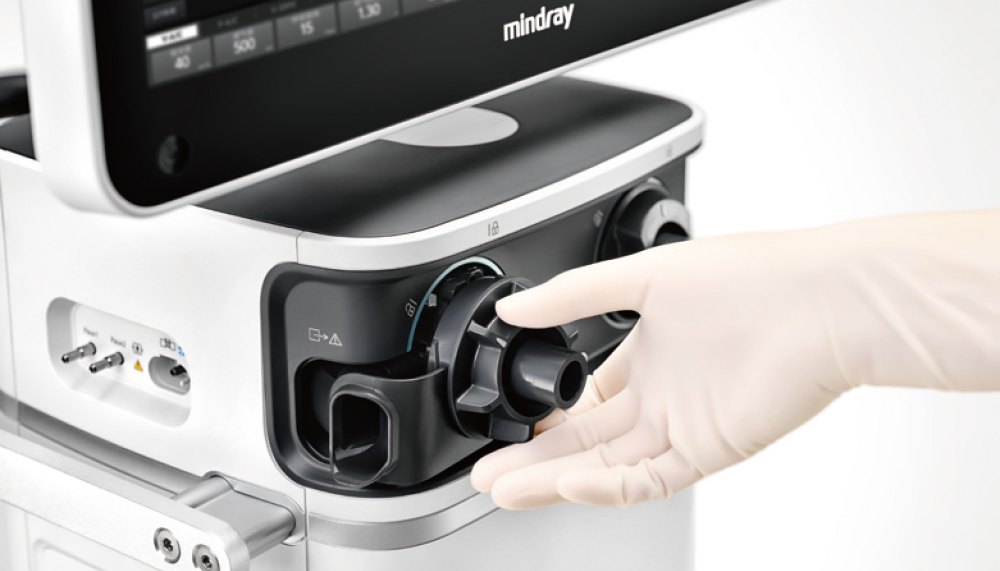
- Tool-free disassembly of autoclavable inspiratory and expiratory valves for faster turnaround.
- Non-consuming paramagnetic oxygen sensor requires no replacement or calibration, reducing ongoing maintenance costs.
Easy to Expand
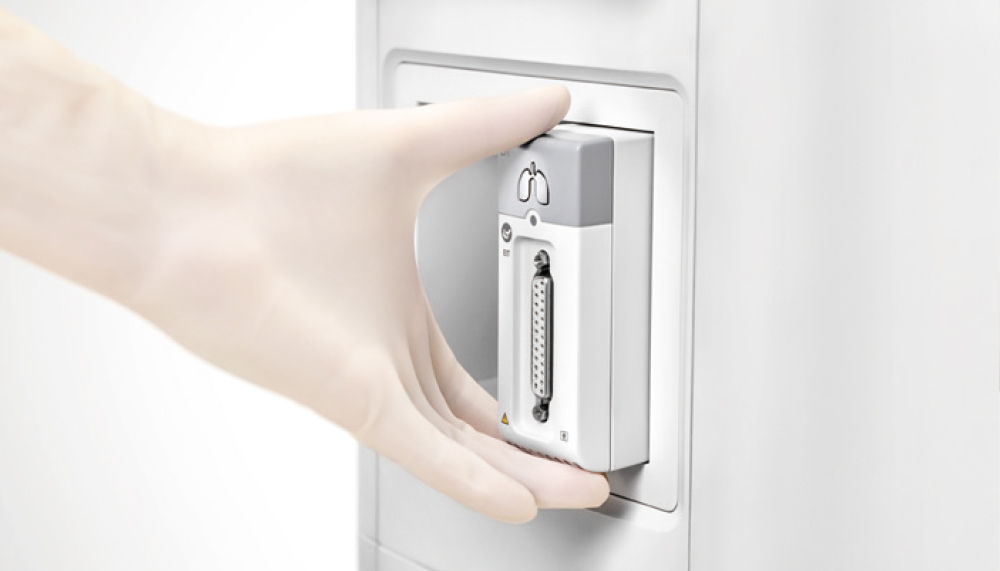
- Plug-and-play modules for electrical impedance tomography (EIT), metabolic monitoring, SpO₂, CO₂, and more.
- Modular design supports flexible configuration and future scalability.
Seamless Connectivity
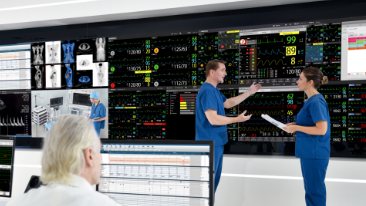
The SV900/SV700 supports flexible connectivity to the central monitoring system (CMS) through wired or wireless interfaces, enabling unified management of multi-patient ventilators and bedside devices.
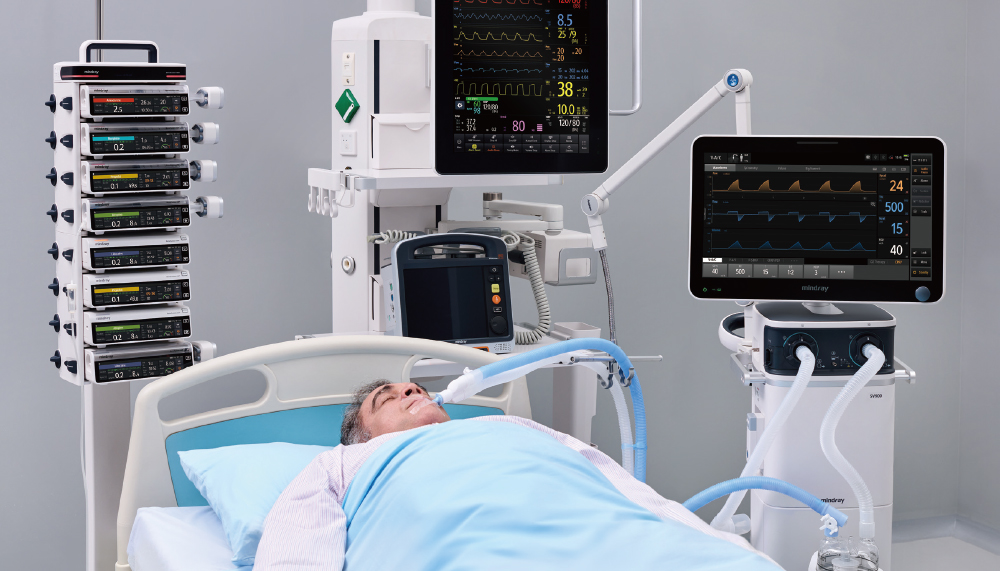
Bedside Management
Multi-device interconnection with humidifiers, patient monitors, and other bedside equipment.
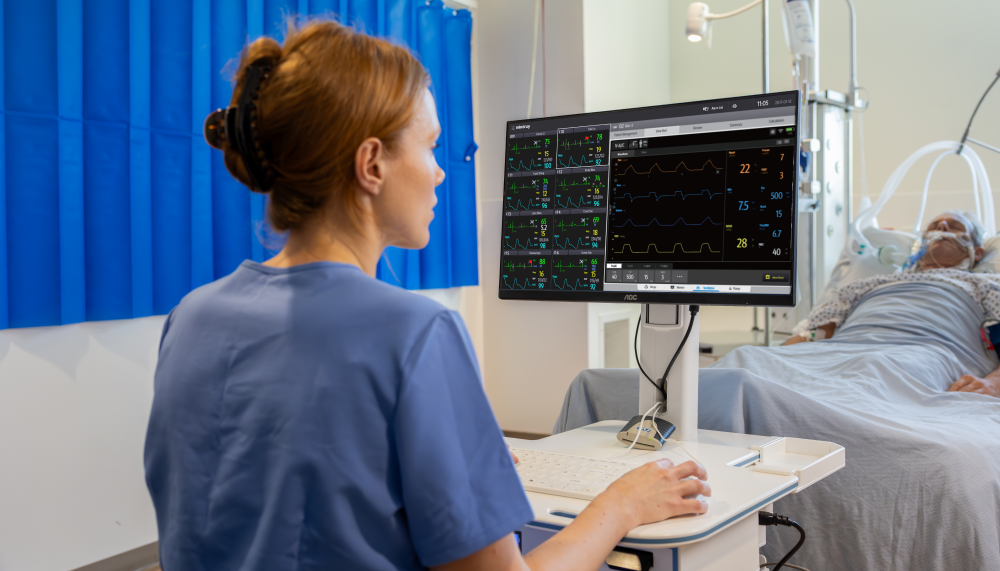
Ward Management
Clinician-tailored solutions including remote control and Silent ICU capability.
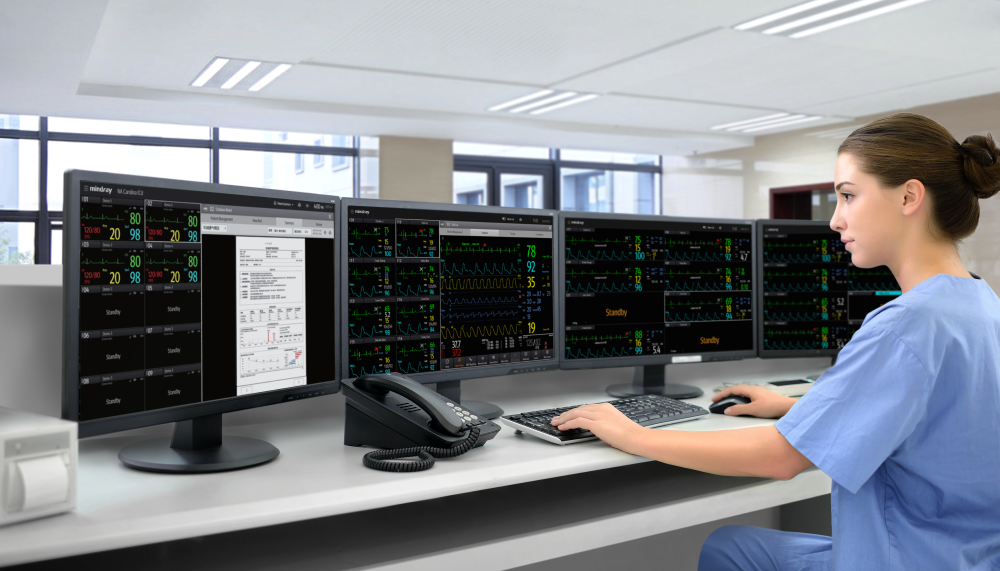
Department Management
A patient profile platform with comprehensive ventilatory reports and convenient patient grouping.
Disclaimer: Any and all functions of the products are available to your country or territory provided that the required registration of such function is duly completed in accordance with local regulatory law requirements. Any and all products available to your country or territory provided that the required registration of such products is duly completed in accordance with local regulatory law requirements. You may contact our authorized distributors to further confirm whether the functions or the products you are interested in are accessible in your country or territory.
* Requires connection to a Mindray patient monitor (BeneVision N Series or above).
References:
[1] Intensive Care Med. 2004 Apr;30(4):612-9
[2] Chiumello D, Coppola S, Formenti P, Ciabattoni A, Lucenteforte M,
Liu G, et al. A validation study of a continuous automatic measurement
of the mechanical power in ARDS patients. Journal of Critical Care.
2022; 67:21-25. doi: 10.1016/j.jcrc.2021.09.009.
[3] Sci Rep. 2021 Jun;11(1):12390
[4] Liu L, Yu Y, Xu X, Sun Q, Qiu H, Chiumello D, Yang Y. Automatic
Adjustment of the Inspiratory Trigger and Cycling-Off Criteria
Improved Patient-Ventilator Asynchrony During Pressure Support
Ventilation. Frontiers in Medicine. 2021; 8:752508. doi:
10.3389/fmed.2021.752508.
[5] Lv Y, Dong M, Song H, Liu J, Huang Z, Ni Z, et al. Respiratory
effort monitoring: a novel, bedside, non-invasive, real-time method.
Critical Care. 2025; 29:272. doi: 10.1186/s13054-025-05514-4