
Redefining Ventilation MonitoringThe Clinical Impact of Volumetric Capnography in Critical Care
Dr. Ganshyam M Jagathkar
Director & Senior Consultant - Critical Care at Medicover Hospitals, Hyderabad

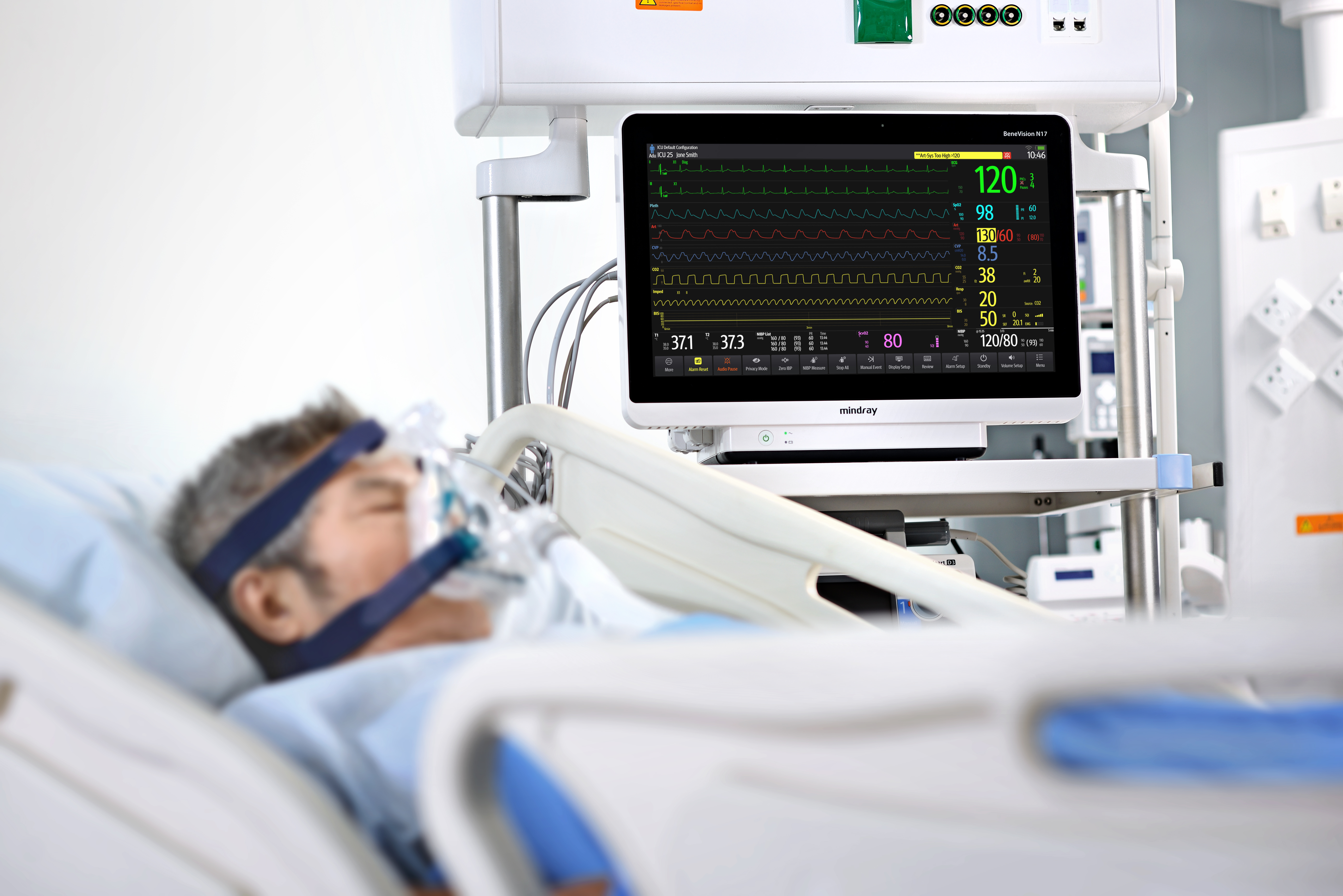
Critical care environments demand rapid clinical decision-making as patient physiology can deteriorate within minutes. Mechanical ventilation remains a fundamental life-saving intervention. However, ensuring that ventilation is delivered safely and optimally is equally critical. Inadequate monitoring can convert a life saving intervention into a source of complications, including ventilator-associated injury and delayed identification of respiratory compromise.
Dr. Ganshyam M Jagathkar, Director and Senior Consultant – Critical Care at Medicover Hospitals, Hyderabad - one of India’s leading private healthcare networks known for advance, patient-centric multi-specialty care and strong critical care capabilities, emphasizes the dynamic nature of intensive care management.
“Critically ill patients are never static; it does not take much time for a patient to deteriorate. When you are instituting life-saving support, you need to monitor very closely and identify deviations at a very early stage.”
This clinical reality highlights the growing need for advanced respiratory monitoring technologies such as volumetric capnography which are emerging as valuable tools in enabling precision-driven ventilation management.
The Need for Deeper Ventilation Insights
Effective ventilation monitoring is fundamental in managing critically ill patients requiring respiratory support. While conventional parameters such as oxygen saturation, airway pressures, and end-tidal carbon dioxide (ETCO2) provide valuable information, they may not fully reflect ventilation efficiency or evolving metabolic demands.
Modern intensive care requires clinical interventions to be continuously titrated using objective physiological measurements rather than estimation-based approaches. Without advanced insights, clinicians risk under- or over-ventilation and suboptimal nutritional management, both of which can impact recovery outcomes. This highlights the growing importance of monitoring solutions that provide a comprehensive understanding of respiratory and metabolic function.

Volumetric Capnography
Expanding the Scope of Respiratory Monitoring
Volumetric capnography represents a significant advancement by analyzing carbon dioxide elimination in relation to tidal volume, offering a multidimensional assessment of ventilation performance. Unlike traditional ETCO2 monitoring, it enables simultaneous evaluation of ventilation efficiency, dead space ventilation, and metabolic activity.
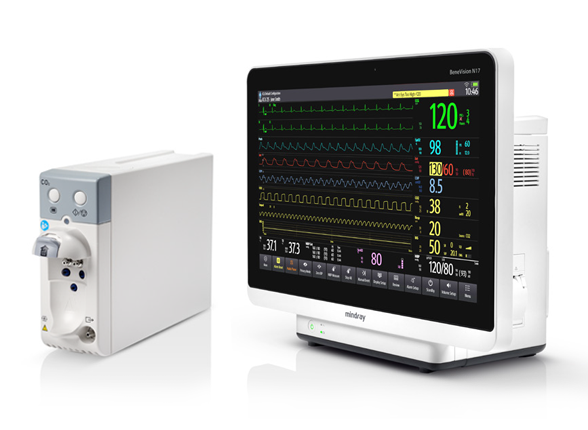
Its key clinical advantages include:
- Supports individualized nutritional therapy: Aligns with ASPEN and ESPEN recommendations by helping clinicians tailor energy delivery based on measurable metabolic demand, minimizing risks of underfeeding or overfeeding.
- Enables dynamic metabolic monitoring: Provides continuous physiological feedback to guide data-driven ventilation and nutrition adjustments.
- Facilitates early detection of ventilation-perfusion mismatch: Enables timely recognition of evolving respiratory inefficiencies.
- Strengthens safe ventilation strategies: Enhances understanding of respiratory mechanics, supporting proactive patient management.


Dr. Ganshyam M Jagathkar
Director & Senior Consultant
Critical Care at Medicover Hospitals, Hyderabad
Mindray’s approach reflects a deep understanding of clinical realities. By working closely with clinicians, they are developing solutions that genuinely address evolving patient care challenges and build greater trust in critical decision-making.
Through continuous innovation and integrated monitoring ecosystems, Mindray remains committed to empowering healthcare providers with solutions that enhance clinical decision-making and improve patient outcomes.