
Bridging Gaps in Dengue Patient Management with Advanced Hematology ParametersHow India is fighting Dengue with Mindray's Advanced Hematology Analyzers

Dengue fever is one of a major health crisis in India affecting 1 million people every year especially during monsoon season. It places an immense socioeconomic strain on the healthcare system and is estimated to drain $1.1 billion from national healthcare resources. Timely and accurate management of the disease is key to preventing complications and reducing the mortality rate. Mindray’s new generation hematology analyzers are redefining how dengue is diagnosed, monitored, and managed in India.
The Clinical Dilemma: Uncertainty in Diagnosis and Care
Dengue is like a storm that lasts anywhere from seven days to two weeks. While it’s a relatively short period, dramatic changes can occur both in the patient’s body and in lab results,” said Dr. Subhadip Pal, Internal Medicine Specialist at HP Ghosh Hospital in Kolkata. “That’s why we maintain close communication with our paramedic, pathology, and biochemistry teams throughout.
Dengue is like a storm that lasts anywhere from seven days to two weeks. While it’s a relatively short period, dramatic changes can occur both in the patient’s body and in lab results,” said Dr. Subhadip Pal, Internal Medicine Specialist at HP Ghosh Hospital in Kolkata. “That’s why we maintain close communication with our paramedic, pathology, and biochemistry teams throughout.
The Science of Survival: How Dengue Attacks and How Medicine Responds
Dengue virus can directly or indirectly impair the human hematopoietic system. It particularly targets megakaryocytes in the bone marrow, which are responsible for platelet production, leading to thrombocytopoiesis suppression and consequently insufficient platelet production. Concurrently, the virus-induced immune response (such as immune clearance and disseminated intravascular coagulation) accelerates platelet consumption and destruction. This dual pathogenesis of decreased production and increased destruction results in a severe imbalance between platelet supply and demand, which is the central mechanism underlying the rapid decline in platelet count and elevated bleeding risk in dengue patients.
In clinical practice, both patients and healthcare providers face significant psychological stress. Patients endure the anxiety of an uncertain recovery timeline, while medical teams must contend with the unpredictable clinical course of the disease.


Dr. Sheela Devi
HOD Pathology
JSS Hospital, Mysuru
Traditionally, dengue management involve rigorous monitoring of platelet count to check the severity of the disease. This approach often triggered panic and led to unnecessary platelet transfusions. lt not only drained the blood bank resources but also exposed the patients to transfusion-related complications. What we need is not only to understand 'what is happening' but also to predict 'what will happen.
Beyond Platelet Counts
Thrombocytopenia (low platelet count) is a hallmark of dengue infection which often requires platelet transfusions. Traditionally, dengue management involved rigorous monitoring of platelet count to check the severity of the disease. This approach often triggered panic & led to unnecessary platelet transfusions. It not only drained the blood bank resources but also exposed the patients to transfusion-related complications.
Power of Advanced Parameters: Predicting Recovery Before It Happens
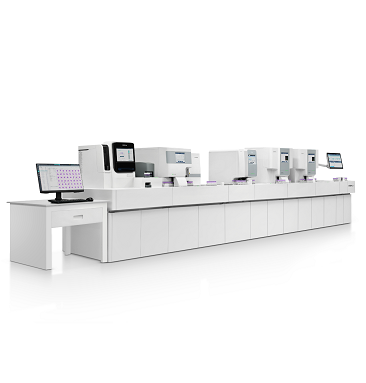
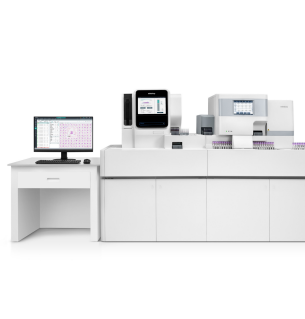
Clinicians now emphasize that while platelet monitoring is important, it should not be the sole criterion for decision-making. Mindray’s automated hematology analyzers address this need by delivering a host of advanced parameters beyond the basic Complete Blood Count (CBC) test. It leverages pathbreaking technology to identify and differentiate blood cell populations and detect abnormal cell population undetected by other techniques.
In patients with suspected dengue fever, the initial diagnostic approach typically involves microbiology tests such as NS1 antigen and IgM antibody assays. As the illness progresses, hematology parameters become crucial to assess the severity & clinical course of action. Hemoglobin percentage and hematocrit help detect hemoconcentration, while reduced leukocyte and platelet counts indicate leukopenia and thrombocytopenia, respectively.
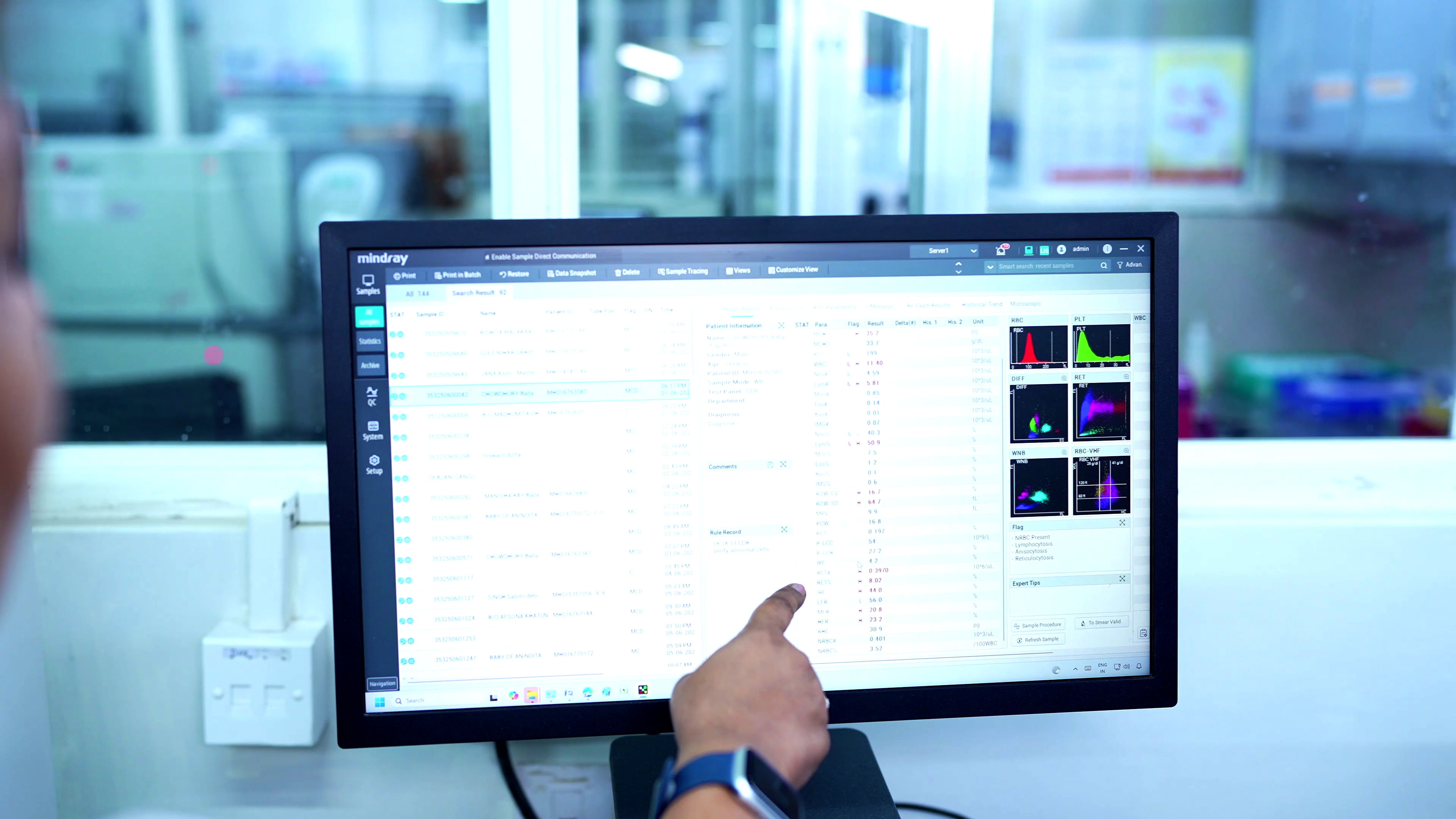
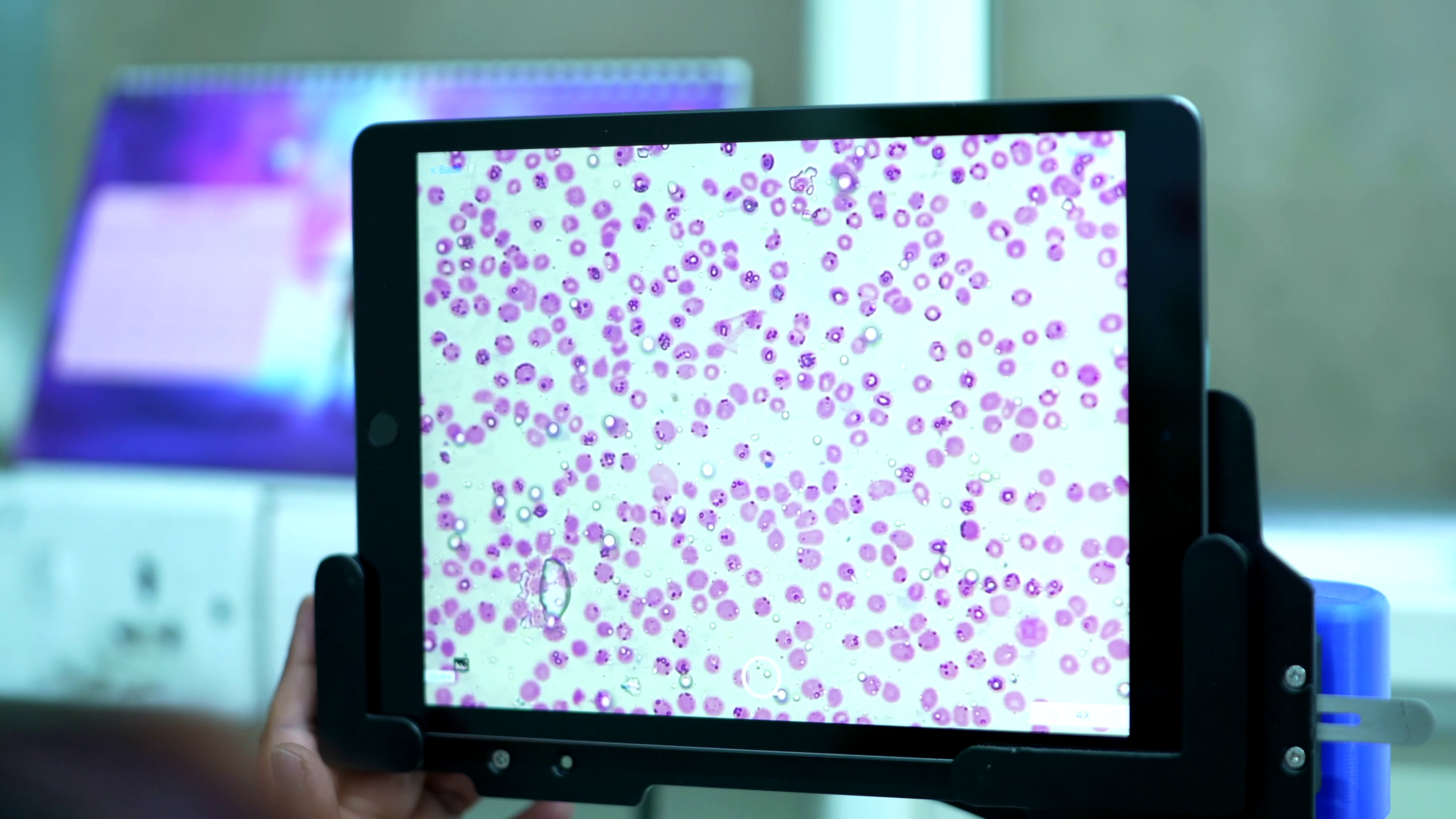
When thrombocytopenia is observed, the following additional parameters provide deeper insights:
- Immature Platelet Fraction (IPF): This is the most vital marker, indicating the percentage of newly produced, young platelets. A rising IPF signals bone marrow recovery and predicts a subsequent rise in the total platelet count.
- Mean Platelet Volume (MPV): Provides information on the size of platelets, where larger size can suggest younger, more active platelets.
- Platelet Distribution Width (PDW): Measures the variation in platelet size.
Dr. Rajalakshmi B. R
Associate Professor JSS Hospital, Mysuru
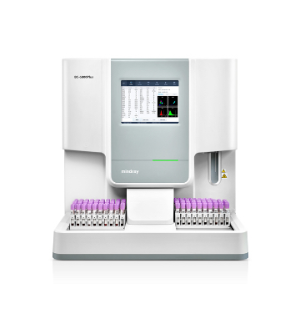
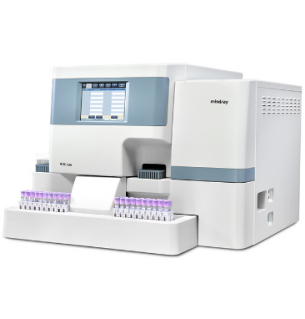
Mindray hematology analyzers like BC-6200 provide fast, reliable & accurate results which enables us to handle a huge load of 600-800 samples per day. With the help of these analyzers, we can reassure clinicians regarding bone marrow recovery and prevent unnecessary platelet transfusions.


Dr. Subhadip Pal
Internal Medicine Specialist
HP Ghosh Hospital, Kolkata
Dengue fever is a short, critical illness lasting around one to two weeks, with the most dramatic changes occurring in the 48 hours following the end of the fever (defervescence). During this period, rapid and frequent monitoring of new parameters like platelet count, mean platelet volume etc. is crucial to determine the criticality of the patient.

Role of Immature Platelet Fraction: A Breakthrough in Dengue Management
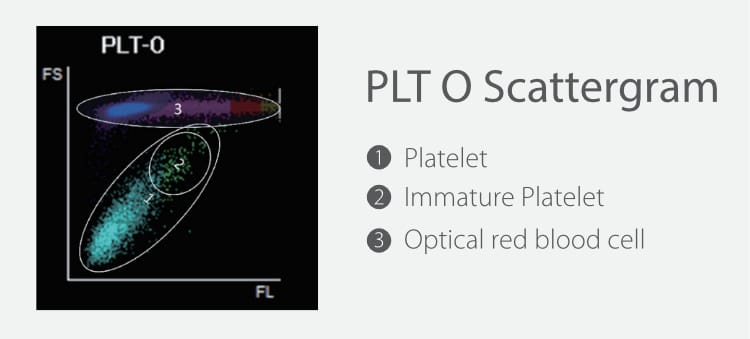
Immature platelets (IPs) or reticulated platelets (RPs) are platelets newly released from the bone marrow. They are larger in size, more reactive and contain more ribonucleic acid (RNA) than mature platelets. IPF is obtained by measuring young and immature platelets in peripheral blood.
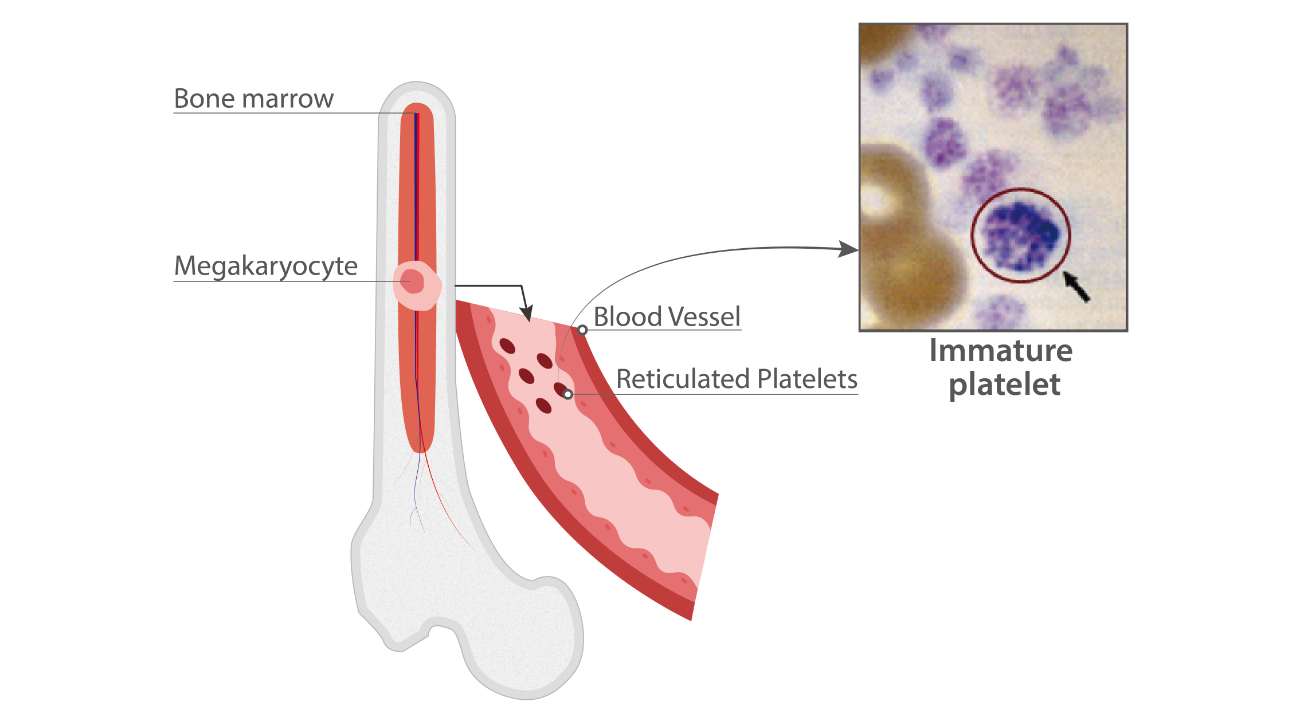
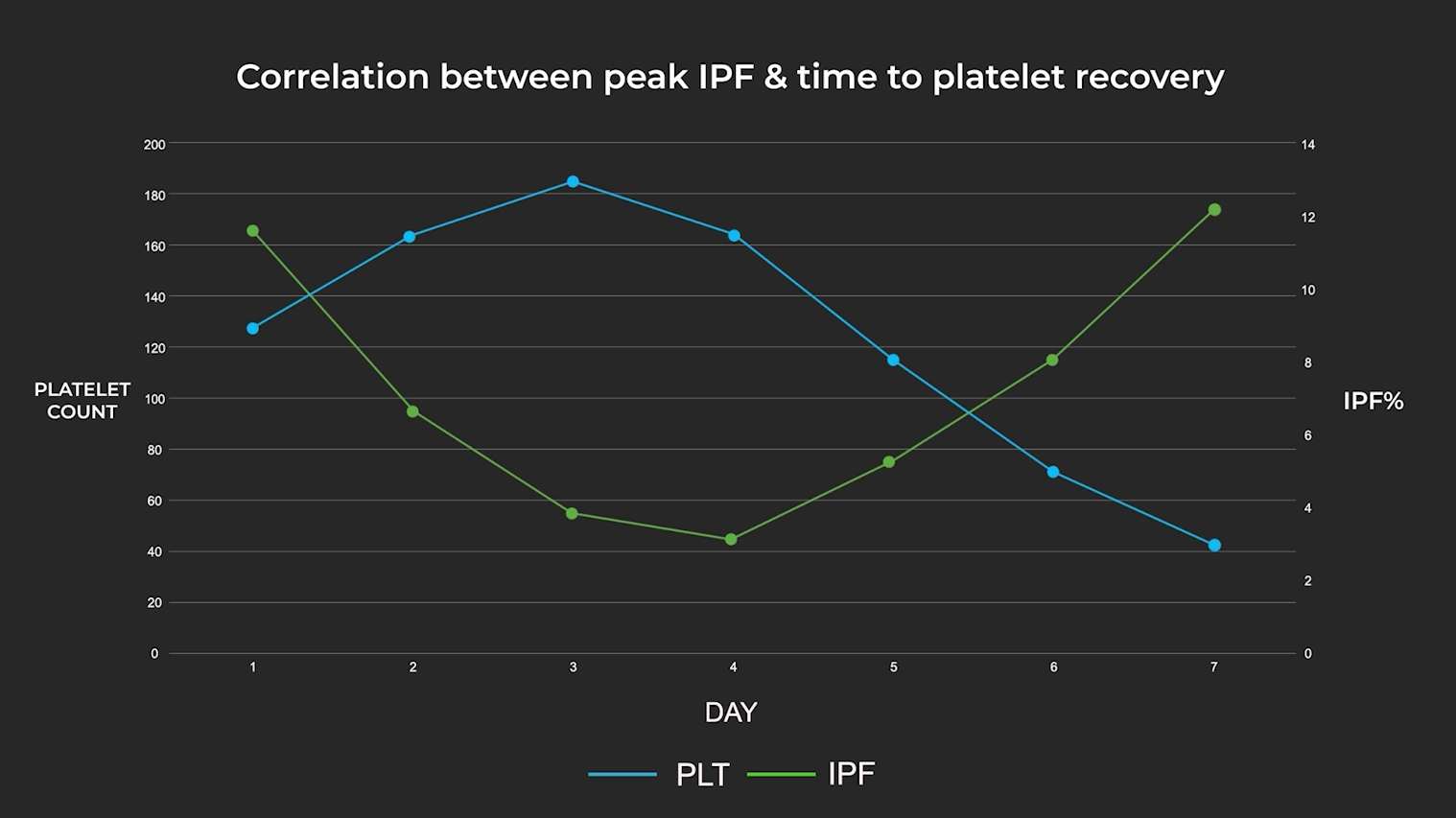
Immature platelet fraction or IPF serves as a predictive marker of bone marrow activity and provides a reliable forecast of platelet recovery. A high IPF indicates that the bone marrow has overcome the virus-induced suppression and is actively manufacturing new platelets. This recovery trend is seen 2 to 3 days earlier than the actual increase in the absolute platelet count. This allows clinicians to defer platelet transfusions thereby minimizing the risk and cost associated with transfusions.
Ashvini Sengupta
Director, Lab Services
Manipal Hospital, EM Bypass
We had a striking case of dengue in pediatric ICU where a young child was presented with severe thrombocytopenia and was undergoing platelet transfusions without improvement. With the help of IPF trend, we were able to stop further transfusions. The child’s platelet count recovered naturally bringing immense relief to the family.


A National Fight: How India Is Turning the Tide Against Dengue
Over the past decade, India has significantly reduced its dengue mortality rate from 0.2% to below 0.1% through proactive mosquito control, adoption of new medical technologies, and strengthened public health campaigns and primary care capacity. Behind each statistic lies countless families spared from tragedy and brought renewed hope.


Dr. C.P. Madhu
Medical Superintendent
JSS Hospital, Mysuru
With public awareness & better infrastructure, dengue fever can be largely controlled. More measures need to be placed to ensure that people report to the nearest health care centre for further diagnosis in case of fever & fatigue. This will help in quicker & accurate management of dengue.
Today, technology is quietly providing an answer. More and more regions are now better equipped to respond to vector-borne diseases with greater efficiency and lower costs and this, perhaps, is the most vital value of medical innovation: to empower healthcare technology in safeguarding every life, everywhere..

Conclusion
At Mindray India, we are not just improving laboratory efficiency - we are saving lives, reducing costs, and restoring confidence among patients and families. We are committed to building a healthier Bharat where dengue is no longer an endemic threat.